
ROAMETRY DESTINATION GUIDE
Costa Rica
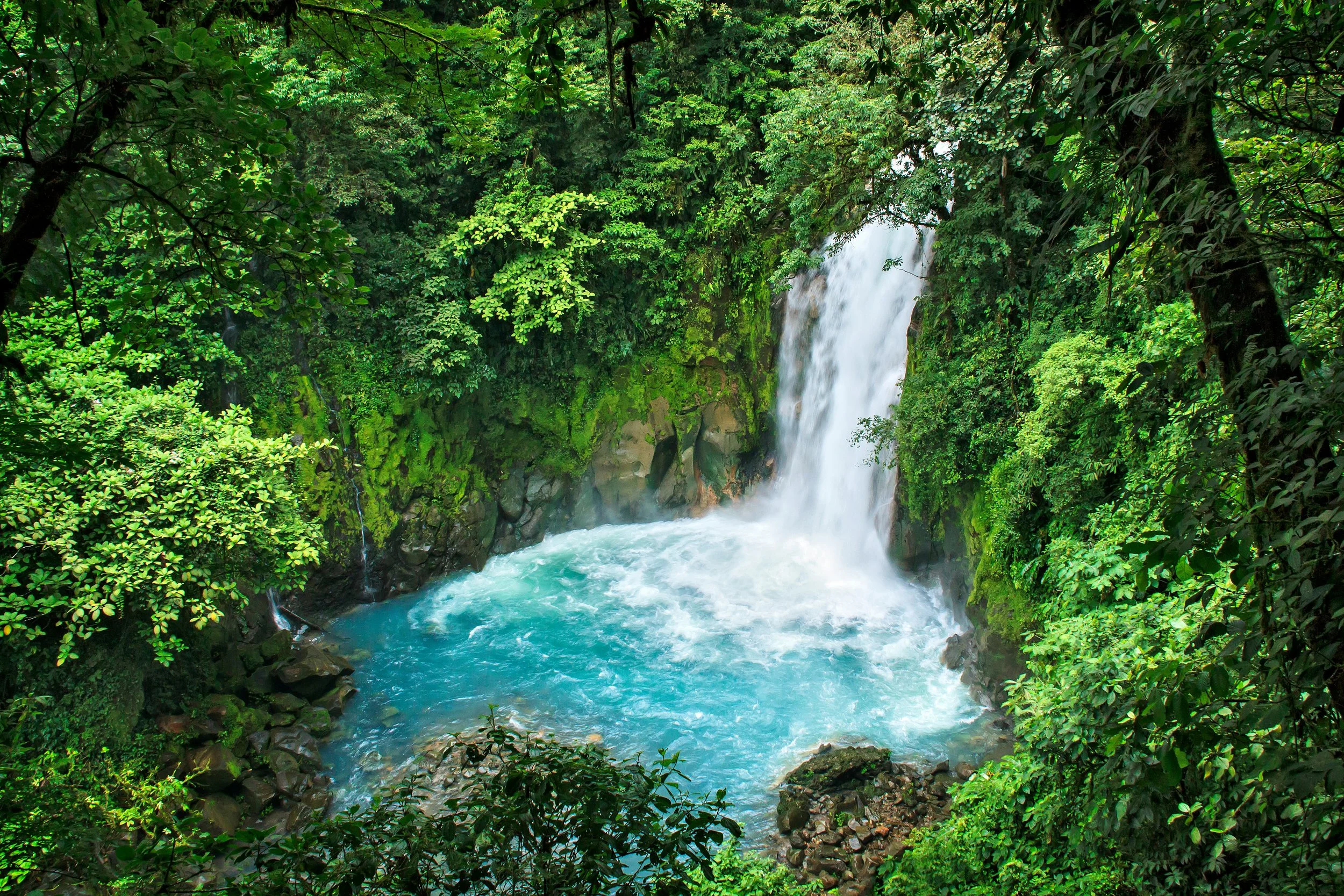
Rainforests, volcanoes, wildlife, and tropical coastlines woven into one remarkably diverse adventure.
Photo: Sterling Lanier / Unsplash
Affiliate DisclosureSome links in this guide are affiliate links. If you book or make a purchase through these links, Roametry may earn a commission at no additional cost to you. Our destination research and recommendations are developed independently, with traveler fit guiding our recommendations rather than affiliate partnerships.WHY THIS DESTINATION FITS
Costa Rica is especially well suited to travelers who want nature, wildlife, adventure, and relaxation in the same trip. Rainforests, cloud forests, volcanoes, rivers, beaches, and protected national parks make it possible to build very different experiences without leaving the country.
Its biggest strength is versatility. One itinerary might combine Arenal’s volcano and hot springs, Monteverde’s cloud forest, wildlife along the Central Pacific, and several slower days on the beach. Another might focus almost entirely on remote rainforest, birding, surfing, wellness, or adventure. Costa Rica’s official tourism board emphasizes that same balance of outdoor exploration, relaxation, and sustainable travel.
Travelers who enjoy hiking, wildlife watching, waterfalls, ziplining, rafting, surfing, snorkeling, hot springs, and eco-focused experiences are likely to find an especially strong match here. Costa Rica also works well for travelers who want an active trip without giving up comfort or downtime.
Those looking primarily for big-city sightseeing, extensive nightlife, major historic monuments, or a trip centered on museums and architecture may find another destination a more natural fit. Costa Rica is at its best when the landscape and wildlife are part of nearly every day.
Roametry fit: Wildlife • Rainforests • Volcanoes • Beaches • Adventure • Wellness • Sustainable travel
AT A GLANCE
Best For:
Wildlife • Rainforests • Volcanoes • Beaches • Adventure • Hot springs • Wellness • Sustainable travel
Ideal Trip Length:
8–12 days for a first trip combining two or three regions without spending too much time in transit.
Best Seasons:
December–April for the driest conditions across much of the Pacific side and interior. May–August can be a rewarding alternative for greener landscapes, fewer crowds, and intermittent rain. The Caribbean coast follows a different weather pattern, so the best timing depends on the regions you plan to visit.
Travel Pace:
Balanced to active — most trips combine hiking, wildlife experiences, adventure activities, beach time, and travel between regions.
Budget Feel:
$$ / $$$$ — Moderate to Premium
Getting Around:
A rental car offers the most flexibility, especially for travelers visiting beaches, national parks, and rural areas. Private or shared shuttles are also widely used and can make sense for travelers who prefer not to drive. A small SUV is a practical choice for many itineraries, while a 4WD vehicle may be useful for more remote areas.
WHAT DEFINES THIS DESTINATION
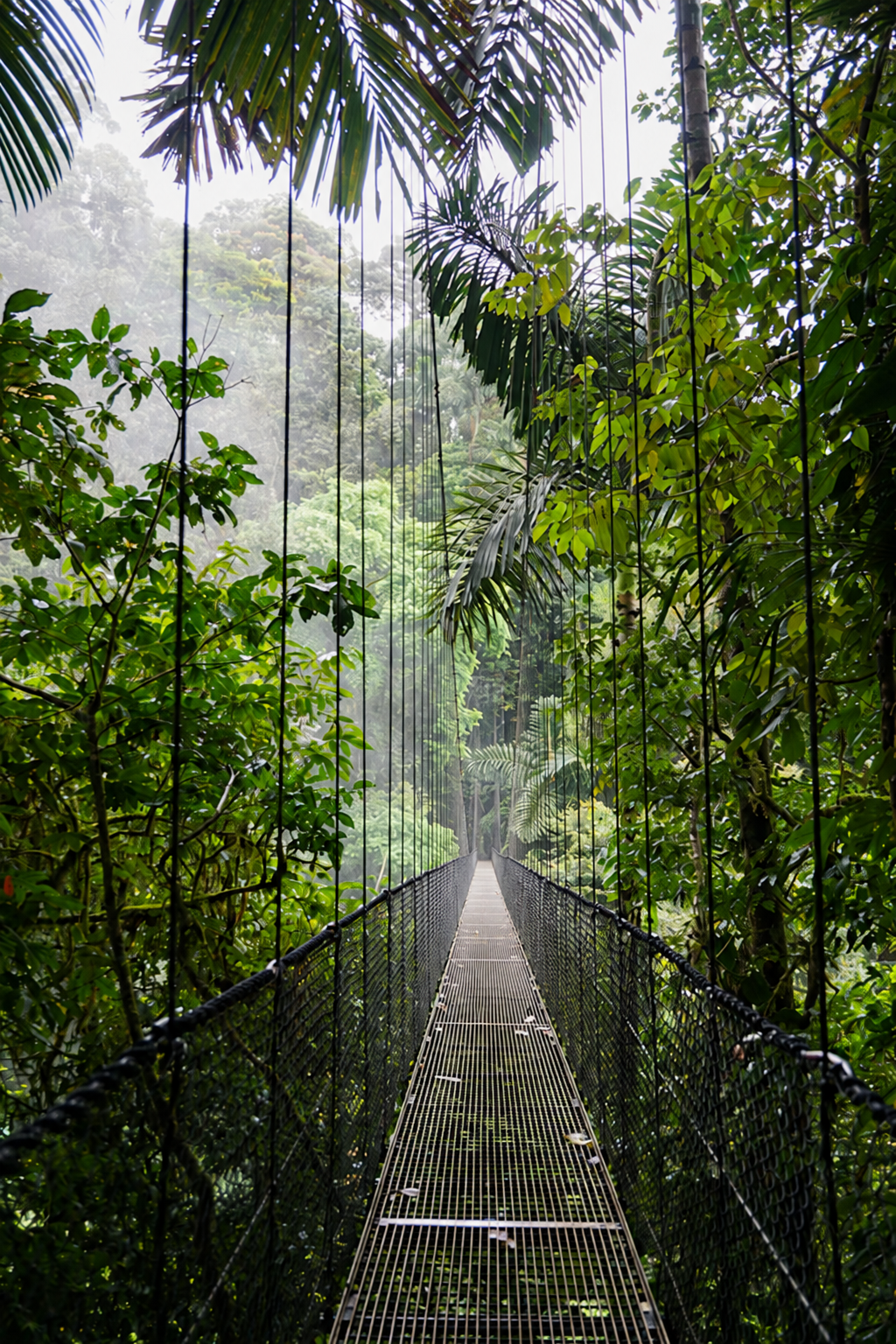
Photo: Selina Bubendorfer / Unsplash (edited)
LANDSCAPE
A remarkably varied mix of tropical rainforest, misty cloud forest, active and dormant volcanoes, rivers, waterfalls, mountains, and coastlines on both the Pacific Ocean and Caribbean Sea. Costa Rica’s relatively compact size makes it possible to experience dramatically different environments within a single trip.
WILDLIFE & CONSERVATION
Wildlife is one of Costa Rica’s defining attractions. Monkeys, sloths, toucans, macaws, sea turtles, frogs, reptiles, and an extraordinary variety of birds inhabit protected forests, wetlands, coastlines, and national parks throughout the country. Conservation and sustainable tourism are deeply woven into the way many travelers experience Costa Rica.
CULTURE
Costa Rican culture is warm, relaxed, and closely associated with the idea of pura vida—a phrase used as a greeting, an expression of gratitude, and a broader reflection of enjoying life and appreciating what you have. Indigenous traditions, Afro-Caribbean heritage, rural communities, music, art, and regional customs add important depth beyond the country’s natural attractions.
FOOD
Costa Rican cooking tends to be simple, fresh, and comforting. Rice and beans, plantains, fresh fruit, seafood, corn, coffee, cacao, and locally grown produce appear throughout the country. Small family-run restaurants known as sodas are especially good places to try everyday dishes, while coffee farms and cacao experiences connect food directly to the landscape.
ADVENTURE
Hiking, ziplining, whitewater rafting, surfing, canyoning, snorkeling, wildlife tours, hanging bridges, kayaking, and waterfall excursions make Costa Rica one of the easiest destinations to build around outdoor activity. Hot springs and wellness experiences provide a natural counterbalance when it’s time to slow down.
WHERE TO STAY
Where you stay in Costa Rica determines much of what the trip feels like. Rather than choosing one central base, most travelers combine two or three distinct regions, moving between volcanoes, cloud forest, wildlife-rich rainforest, and the coast.
ARENAL & LA FORTUNA
Best for: Volcanoes • Hot springs • Adventure • Families • First-time visitors
La Fortuna is one of Costa Rica’s most versatile bases. Arenal Volcano, hot springs, waterfalls, hanging bridges, wildlife tours, rafting, and other outdoor activities make it easy to fill several active days while still building in time to relax.
The area works especially well early in a trip, when travelers are ready to explore.
MONTEVERDE
Best for: Cloud forest • Birding • Hiking • Cooler weather • Nature
Monteverde offers a completely different environment from Costa Rica’s tropical lowlands. Misty cloud forest, hanging bridges, forest trails, birdlife, and cooler mountain temperatures create a quieter and more atmospheric stay.
It pairs naturally with Arenal but is distinct enough to justify spending a couple of nights rather than treating it as a quick stop.
MANUEL ANTONIO & CENTRAL PACIFIC
Best for: Wildlife • Beaches • Families • Rainforest • First-time visitors
Manuel Antonio is one of the easiest places to combine rainforest wildlife with Pacific beach time. Monkeys, sloths, tropical birds, forest trails, and beaches are all concentrated within a relatively compact area.
Stay near Manuel Antonio for easier access to the park and coastal atmosphere, or around nearby Quepos for additional dining and services.
GUANACASTE
Best for: Beaches • Resorts • Surfing • Couples • Relaxation
Costa Rica’s northwestern Pacific coast is a strong choice for travelers who want to finish an active trip with several slower days near the ocean.
The region ranges from polished resorts around the Papagayo Peninsula to lively beach towns such as Tamarindo and more wellness- and surf-oriented communities farther down the coast. Guanacaste also pairs conveniently with flights through Liberia.
OSA PENINSULA
Best for: Wildlife • Remote rainforest • Eco-lodges • Birding • Immersive nature
The Osa Peninsula is for travelers who want to go deeper into Costa Rica’s wild side. Remote rainforest, exceptional biodiversity, secluded beaches, and access to Corcovado National Park make this one of the country’s strongest wildlife destinations.
Bases such as Drake Bay and Puerto Jiménez offer very different logistics, so choose your lodge and transportation plan together rather than booking them separately.
CARIBBEAN COAST — PUERTO VIEJO & CAHUITA
Best for: Afro-Caribbean culture • Beaches • Rainforest • Wildlife • Laid-back travel
Costa Rica’s Caribbean coast has a personality all its own. Around Puerto Viejo and Cahuita, rainforest meets the sea alongside Afro-Caribbean culture, smaller hotels and lodges, colorful communities, wildlife, and a noticeably relaxed pace.
It is especially appealing to travelers who want something different from the more resort-oriented Pacific coast.
ROAMETRY RECOMMENDS
For a first 8–12 day trip, choose two or three regions rather than trying to see everything.
A classic combination of Arenal, Monteverde, and Manuel Antonio creates three clearly different experiences—volcano and hot springs, cloud forest, then wildlife and beach—without stretching the itinerary too far.
If beach relaxation matters more than another rainforest stop, pair Arenal with Guanacaste instead. If wildlife is the highest priority, consider giving the Osa Peninsula several dedicated nights.
WHAT TO DO
Signature Experience - EXPERIENCE COSTA RICA’S WILDLIFE IN THE RAINFOREST
The defining Costa Rica experience is spending time inside the landscapes that make the country so biologically rich. Join a guided wildlife walk through rainforest or cloud forest, look for monkeys and sloths in the canopy, listen for tropical birds, and slow down enough to notice the smaller wildlife that is easy to miss on your own.
A knowledgeable naturalist guide can make a tremendous difference, particularly in places where animals disappear easily into dense vegetation.
EXPLORE VOLCANOES, HOT SPRINGS & WATERFALLS
Costa Rica’s volcanic landscape creates some of its most memorable experiences.
Around Arenal and La Fortuna, hike through forest and old lava-flow landscapes, cross hanging bridges, visit waterfalls, and spend time soaking in geothermal hot springs.
Elsewhere, Rincón de la Vieja offers volcanic features such as fumaroles and bubbling mud areas, while Tenorio Volcano National Park is known for the striking color of Río Celeste.
WALK THROUGH RAINFOREST & CLOUD FOREST
Costa Rica’s forests can feel completely different from one region to the next.
Consider:
Wildlife walks in Manuel Antonio National Park
Cloud-forest hiking and birding around Monteverde
Remote rainforest exploration in Corcovado National Park and the Osa Peninsula
Canal-based wildlife experiences around Tortuguero
Night walks to experience wildlife that becomes active after dark
Corcovado is particularly well suited to travelers whose highest priority is immersive wildlife and wilderness rather than convenience.
ADD SOME ADVENTURE
Costa Rica makes it unusually easy to combine nature with active experiences.
Popular options include:
Ziplining through forest canopy
Whitewater rafting on rivers such as the Pacuare, Sarapiquí, Savegre, or Naranjo
Canyoning and waterfall rappelling
Hanging-bridge walks
Kayaking
Surfing
Snorkeling and diving
Horseback riding
Guided night hikes
You don’t need to do everything. Choosing one or two signature adventure experiences usually creates a better trip than filling every day with scheduled activities.
SPEND TIME ON THE COAST
Costa Rica’s Pacific and Caribbean coasts offer very different experiences.
Guanacaste works well for beach relaxation, surfing, resorts, sailing, and water activities. Manuel Antonio and the Central Pacific combine beaches with rainforest wildlife, while the Caribbean coast around Cahuita and Puerto Viejo adds Afro-Caribbean culture, rainforest, snorkeling, and a more laid-back atmosphere.
Build in at least a little unscheduled beach time if the itinerary allows.
EXPERIENCE COFFEE, CACAO & RURAL COSTA RICA
Not every memorable experience needs to involve a national park.
Coffee and cacao tours offer a closer look at agriculture, food traditions, and the communities behind two products closely associated with Costa Rica. Rural tourism experiences can also provide a valuable cultural counterpoint to an itinerary otherwise dominated by wildlife and adventure.
Explore Costa Rica Experiences
Discover wildlife tours, volcano and hot spring excursions, ziplining, rafting, coffee and cacao experiences, and other bookable activities that can add more depth to your time in Costa Rica.
Affiliate disclosure: Roametry may earn a commission from qualifying bookings made through the link below, at no additional cost to you.
FOOD & DRINK
Costa Rican food is generally simple, fresh, and comforting, with rice, beans, plantains, vegetables, tropical fruit, seafood, and locally grown ingredients appearing throughout the country. Regional differences become more noticeable as you travel, particularly between the Pacific and Caribbean coasts.
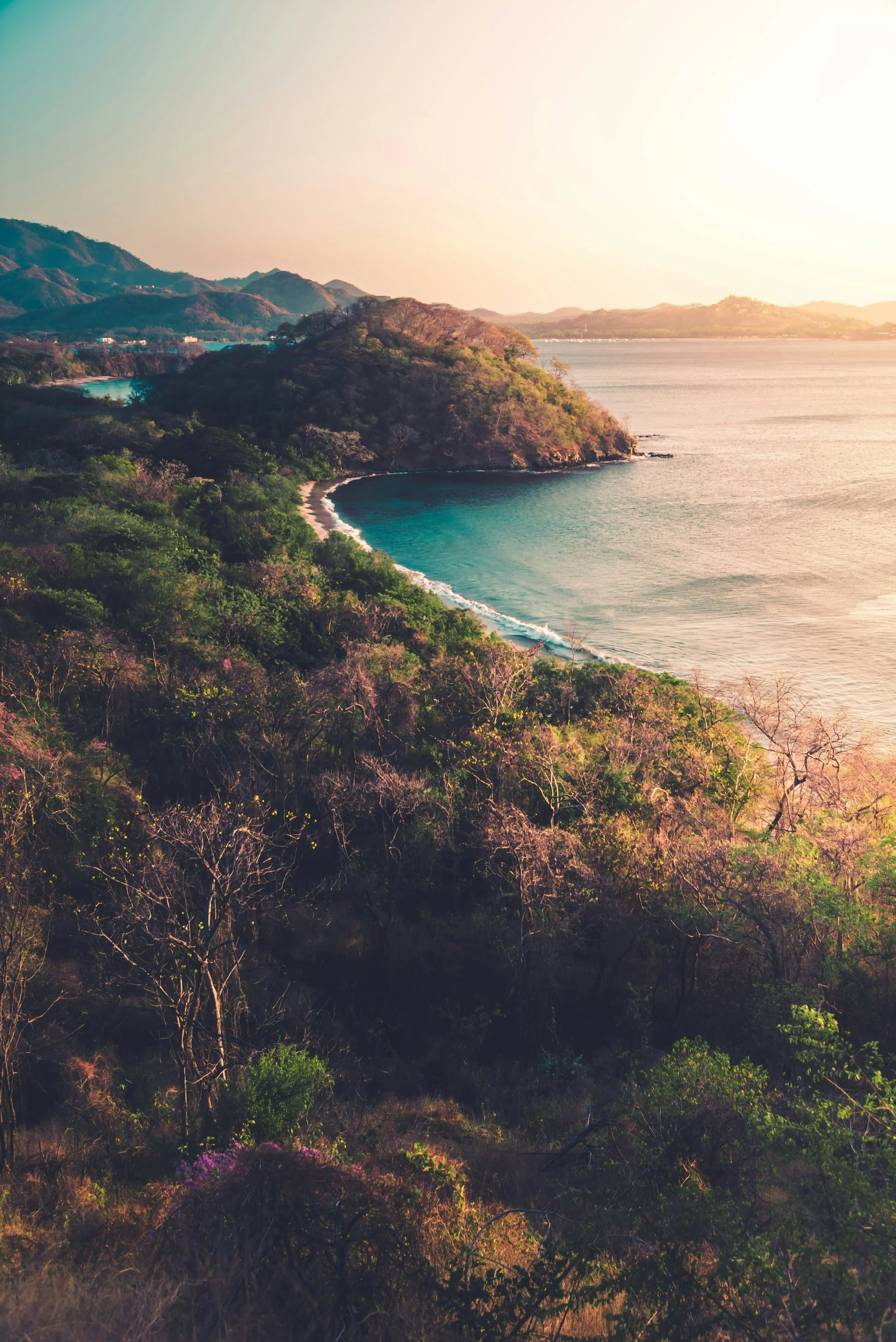
Photo: Max Bender / Unsplash
ROAMETY FAMILY FAVORITES
When our family has personally visited a destination, this is where we share the places and experiences we genuinely loved.
Don’t Miss
Gallo pinto, the classic rice-and-beans breakfast
Casado, a traditional plate with rice, beans, salad, plantains, and a choice of protein
Ceviche, especially in coastal areas
Fresh tropical fruit and fruit smoothies
Plantains, served sweet or savory
Costa Rican coffee
Locally produced cacao and chocolate
Rice and beans cooked with coconut milk on the Caribbean coast
Where to Focus
EAT AT A SODA
Small local restaurants known as sodas are one of the easiest ways to experience everyday Costa Rican cooking.
Menus commonly include casados, grilled meats or fish, rice and beans, soups, fresh juices, and other straightforward home-style dishes. They’re often a good choice for a casual lunch between activities and can provide a more local experience than restaurants built primarily around tourism.
PACIFIC & CARIBBEAN FLAVORS
Along the Pacific coast, fresh seafood becomes more prominent, with fish, ceviche, shrimp, and seafood soups appearing frequently.
The Caribbean coast has a noticeably different culinary identity shaped by Afro-Caribbean traditions. Coconut milk, spices, plantains, seafood, and dishes such as Caribbean-style rice and beans create flavors that feel distinct from those found elsewhere in the country.
COFFEE & CACAO
Coffee is deeply connected to Costa Rica’s agricultural history and remains one of the country’s most recognizable products. Coffee-farm tours can add an interesting cultural dimension to a trip, particularly in the Central Valley and other growing regions.
Cacao experiences offer another way to connect food with the landscape, often combining traditional preparation, farming, and the process of turning cacao fruit into chocolate.
Good to Know
Make room for everyday Costa Rican food rather than treating every meal as a dining event. A gallo pinto breakfast, lunch at a local soda, fresh fruit along the road, and a cup of Costa Rican coffee can be just as much a part of the travel experience as a more elaborate restaurant meal.
And if your itinerary includes the Caribbean coast, try the regional food there—it adds a noticeably different flavor to the trip.
Planning Notes
Best Time To Go
Costa Rica can be visited year-round, but the experience changes considerably by region and season.
Mid-December through April is generally the driest period across much of the Pacific coast and interior, making it popular for hiking, beaches, wildlife tours, and outdoor activities.
May through mid-December is the green season, when landscapes become especially lush and crowds can be lighter. Rain often arrives in bursts rather than lasting all day, so morning activities can work particularly well.
The Caribbean coast follows a different weather pattern, with relatively drier periods often occurring around February–March and September–October.
How Long To Stay
Roametry recommends 8–12 days for a first trip.
That gives you enough time to combine two or three regions without turning the vacation into a series of long transfer days. Costa Rica may look small on a map, but mountains, winding roads, weather, and rural routes can make travel between destinations slower than expected.
Getting There
Costa Rica’s two primary international gateways are:
Juan Santamaría International Airport (SJO) near San José
Guanacaste Airport (LIR) near Liberia
SJO works especially well for itineraries involving the Central Valley, Caribbean side, Central Pacific, or southern regions. LIR can be particularly convenient for Guanacaste, the Nicoya Peninsula, and some itineraries combining the beach with Arenal or Monteverde.
Choose the airport based on your itinerary rather than automatically flying through San José.
Getting Around
A rental car provides the greatest flexibility for a multi-region trip, especially when visiting national parks, beaches, and smaller communities.
A small or midsize SUV is a practical choice for many itineraries. Four-wheel drive can be useful—or necessary—for certain remote roads and accommodations, particularly during the green season.
Costa Rica requires basic rental-car insurance, so compare the total rental cost, not just the advertised daily rate.
Private and shared shuttles are also widely available and can be an excellent alternative for travelers who would rather not drive.
BOOK NATIONAL PARKS AHEAD
Several popular protected areas use Costa Rica’s official SINAC online reservation system, including Manuel Antonio, Poás, Tenorio, Tortuguero, Rincón de la Vieja, and others.
Popular parks and time slots can fill, particularly during the dry season and holiday periods.
Corcovado National Park requires advance reservations and has its own planning procedures, so travelers headed to the Osa Peninsula should organize park access along with their lodging and transportation rather than leaving it until arrival.
BOOK AHEAD
Consider reserving these early during popular travel periods:
Lodging in high-demand regions
Rental cars
Manuel Antonio and other timed national-park entries
Corcovado excursions
Wildlife and naturalist tours
Popular hot springs
Rafting, canyoning, and ziplining
Domestic flights and private transfers
You don’t need to schedule every day, though. Leaving some flexibility is especially valuable during the green season when weather can influence outdoor plans.
Know Before You Go
DRIVING & TRAVEL TIMES
Avoid planning Costa Rica by distance alone.
A relatively short distance can involve winding mountain roads, bridges, unpaved sections, traffic, or slower travel through rural communities. Navigation apps are helpful, but build extra time into transfer days and avoid assuming you’ll maintain typical U.S. highway speeds.
If possible, complete unfamiliar rural drives during daylight.
ROAMETRY PLANNING TIP
Pick a few regions and give yourself time to enjoy them. Costa Rica offers enough wildlife, beaches, volcanoes, waterfalls, and adventures to make overplanning very tempting.
Two or three well-chosen bases—with a little room for weather, wildlife, and an afternoon you simply decide to slow down—usually make for a better trip than trying to cross the entire country.
Find Your Stay
Where you stay can shape your travel experience. Whether you prefer the convenience of a hotel or resort or the flexibility of a private vacation rental, explore accommodations that suit your travel style, priorities, and budget.
Affiliate disclosure: Roametry may earn a commission from qualifying bookings made through these links, at no additional cost to you.THE ROAMETRY TAKEAWAY
Costa Rica is a strong fit for travelers who want nature, wildlife, adventure, and relaxation woven into the same trip. Rainforests, volcanoes, beaches, hot springs, and protected parks make it possible to move between very different experiences without leaving the country.
Travelers who enjoy wildlife watching, hiking, waterfalls, ziplining, rafting, surfing, wellness, and eco-focused travel are likely to find Costa Rica especially rewarding. It also works well for families and couples who want an active itinerary with enough flexibility to slow down when the setting calls for it.
Those looking primarily for big-city culture, museums, architecture, or nightlife-driven travel may find another destination a better match.
BEST MATCH FOR
Wildlife • Rainforests • Volcanoes • Beaches • Adventure • Wellness • Sustainable travel
SOURCES & FURTHER READING
Roametry destination guides are independently written using research from official tourism, government, park, cultural, transportation, and destination resources. Conditions, schedules, access, and regulations can change; travelers should verify current information directly with the appropriate source before departure.
Visit Costa Rica — Planning Your Trip
Official destination-planning information covering Costa Rica’s major tourism regions, landscapes, activities, accommodations, and trip-planning considerations. Explore Costa Rica trip planning
Visit Costa Rica — Regions of Costa Rica
Official guidance to Costa Rica’s seven tourism regions, including Guanacaste, the Northern Plains, Caribbean, Central Valley, Puntarenas, Central Pacific, and South Pacific. Explore Costa Rica’s regions
Visit Costa Rica — When to Visit
Official seasonal guidance covering the dry and green seasons, regional microclimates, Caribbean weather patterns, wildlife timing, and seasonal activities. View Costa Rica seasonal guidance
Visit Costa Rica — National Parks
Official tourism information on Costa Rica’s national parks and protected landscapes, including Arenal, Manuel Antonio, Corcovado, Tortuguero, Tenorio, Rincón de la Vieja, and other major natural areas. Explore Costa Rica’s national parks
SINAC — National Parks of Costa Rica
Costa Rica’s National System of Conservation Areas provides official park information covering protected ecosystems, wildlife, volcanic areas, rainforests, beaches, and individual park characteristics. View official SINAC national park information
SINAC — Online Park Reservations
Official reservation and payment information for protected areas including Manuel Antonio, Poás, Tortuguero, Tenorio, Rincón de la Vieja, Carara, and other participating parks. Access SINAC park reservations
Visit Costa Rica — Adventure
Official information on outdoor experiences including rafting, surfing, kayaking, diving, fishing, ziplining, and other adventure activities throughout the country. Explore Costa Rica adventure experiences
Visit Costa Rica — Culinary Adventures
Official guidance to Costa Rican food culture, including gallo pinto, casado, seafood, tropical fruit, coffee, cacao, local sodas, and regional culinary traditions. Explore Costa Rican food and culinary experiences
Visit Costa Rica — Travel Resources
Official transportation guidance covering Costa Rica’s international airports, domestic air service, buses, and practical travel information for moving around the country. View Costa Rica travel resources
Visit Costa Rica — Sustainable Tourism
Official guidance on responsible wildlife viewing, protected areas, supporting local communities, and sustainable travel practices throughout Costa Rica. Explore responsible travel in Costa Rica
Last researched and reviewed: November 2026
Our Research Approach
At Roametry, we believe the best destinations aren't necessarily the most popular—they're the ones that fit the traveler.
Our destination guides are informed by a growing research catalog that examines travel experiences, cultural characteristics, seasonal considerations, accessibility, and practical travel factors. We draw on reputable published sources and destination-specific research to create thoughtful, informative guides that help travelers explore places with greater confidence.
Each guide is reviewed for accuracy and relevance before publication. Because travel conditions, availability, and local information can change, we encourage travelers to verify important details before making arrangements.