
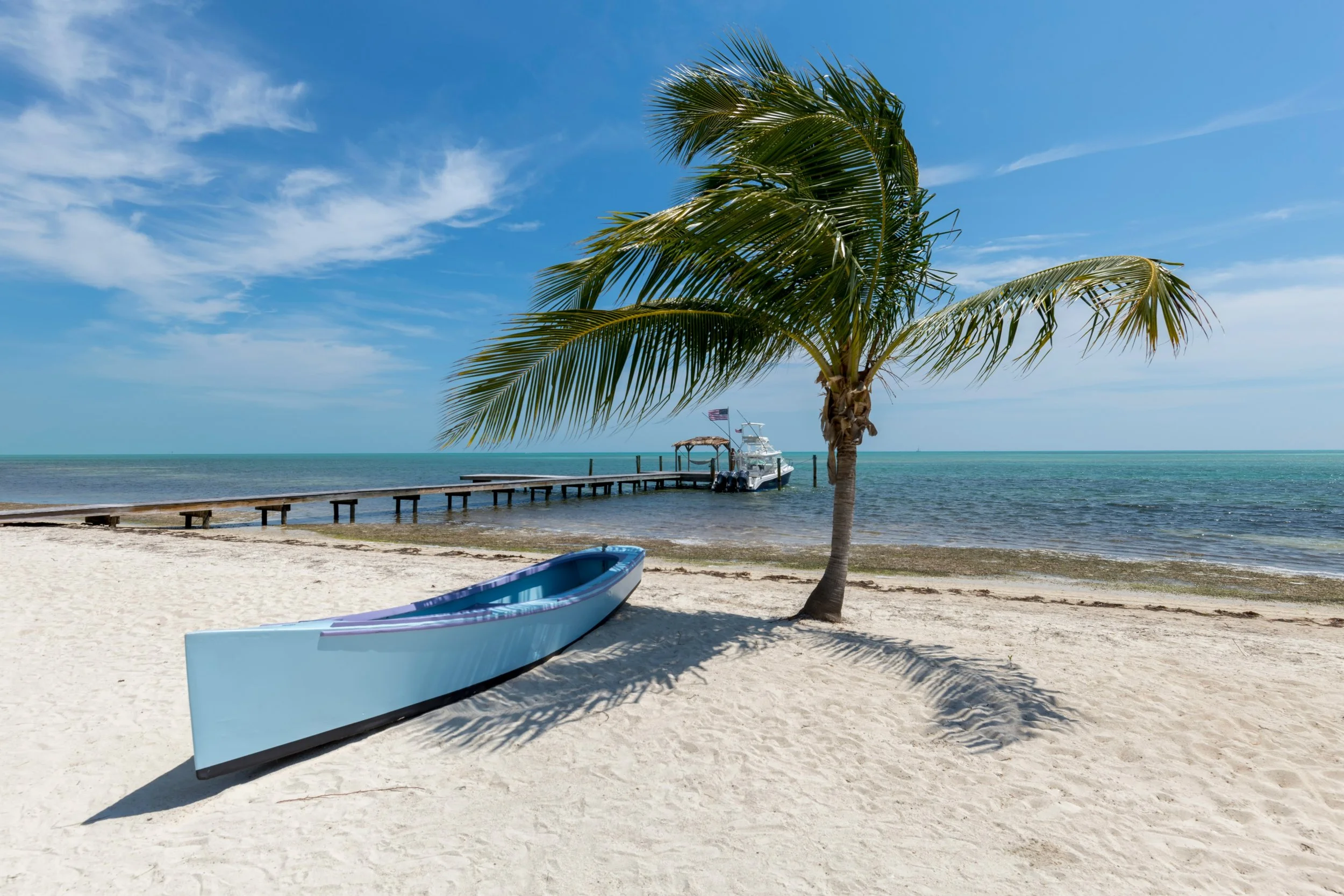
ROAMETRY DESTINATION GUIDE
Florida Keys
Turquoise water, island-hopping road trips, and a laid-back rhythm built around the sea.
Affiliate DisclosureSome links in this guide are affiliate links. If you book or make a purchase through these links, Roametry may earn a commission at no additional cost to you. Our destination research and recommendations are developed independently, with traveler fit guiding our recommendations rather than affiliate partnerships.WHY THIS DESTINATION FITS
The Florida Keys are especially well suited to travelers who value warm weather, water-based activities, scenic driving, and a relaxed pace. The island chain combines snorkeling, diving, fishing, boating, wildlife, beaches, historic towns, and waterfront dining in a destination where the drive itself is part of the experience. The official Florida Keys tourism organization treats the Keys as five distinct regions—Key Largo, Islamorada, Marathon, the Lower Keys, and Key West—each with its own personality.
Its strongest appeal comes from being able to slow down without running out of things to do. Key Largo leans toward reefs and diving, Islamorada toward fishing and water activities, Marathon toward a central family-friendly base, the Lower Keys toward nature and quieter stays, and Key West toward history, food, nightlife, and entertainment.
Travelers looking primarily for mountains, hiking-heavy itineraries, dense urban culture, or a fast-paced sightseeing trip may find the Florida Keys a less natural fit. The Keys are at their best when travelers are comfortable letting the days revolve around the water, lingering over meals, and treating the Overseas Highway as part of the vacation rather than just transportation.
Roametry fit: Water activities • Scenic road trips • Warm weather • Fishing • Snorkeling & diving • Relaxed pace • Island atmosphere
AT A GLANCE
Best for
Water activities • Scenic drives • Snorkeling & diving • Fishing • Warm weather • Island atmosphere • Relaxed travel
Ideal trip length
5–7 days for a multi-Key trip, with more time if you want slower stays in several parts of the island chain.
Best seasons
December–April for warm, generally drier weather and comfortable outdoor conditions. Late spring can offer a quieter alternative before the hottest and wetter part of the year.
Travel pace
Relaxed to balanced — the Keys work best when there’s time for the water, long meals, scenic stops, and unstructured afternoons.
Budget feel
$$$ / $$$$ — Premium to High-End
Getting around
A rental car is strongly recommended if you plan to explore multiple Keys. U.S. 1, the Overseas Highway, connects the island chain and is part of the experience itself. Once in Key West, walking is often the easiest way to explore the historic center.
WHAT DEFINES THIS DESTINATION

LANDSCAPE
A narrow subtropical island chain surrounded by clear, shallow water, coral reefs, mangroves, seagrass beds, and small offshore islands. The marine environment is central to the Keys experience, and the protected waters around the island chain support thousands of marine species.
CULTURE
The Keys blend Caribbean influence, maritime history, fishing traditions, historic architecture, and an independent island personality. Key West adds a particularly distinctive cultural layer through its Bahamian, Cuban, literary, and seafaring heritage.
FOOD
Fresh seafood plays a major role, with local menus often featuring yellowtail snapper, grouper, mahi-mahi, Key West pink shrimp, stone crab, and spiny lobster. Key lime pie is the signature dessert, while conch fritters and Cuban-influenced dishes remain part of the region’s culinary identity.
ADVENTURE
Snorkeling, scuba diving, boating, fishing, kayaking, paddleboarding, wildlife viewing, and sunset cruises dominate the activity mix. The Keys are less about strenuous land-based adventure and more about getting onto—or into—the water.
WHERE TO STAY
Choosing where to stay in the Florida Keys is less about finding one central location and more about deciding what kind of Keys experience you want. Each part of the island chain has its own feel, and travelers exploring the full destination may enjoy splitting their stay between two areas.
KEY LARGO
Best for: Snorkeling • Diving • Boating • Easy access from South Florida
The northernmost major Key is a strong choice for travelers who want to spend most of their time on or under the water. Key Largo offers convenient access to coral reefs, dive and snorkel excursions, boating, and Florida Bay while keeping the drive from Miami relatively manageable.
ISLAMORADA
Best for: Fishing • Waterfront resorts • Couples • Relaxed island stays
Islamorada blends resort-style relaxation with one of the Keys’ strongest fishing cultures. It works especially well for travelers who want beautiful water views, boating and fishing opportunities, good dining, and an easygoing atmosphere without traveling all the way to Key West.
MARATHON
Best for: Families • Central location • Boating • Multi-Key trips
Marathon sits near the middle of the island chain, making it one of the most practical bases for travelers who want to explore in both directions. Its mix of vacation rentals, resorts, marinas, family-friendly attractions, and access to the Seven Mile Bridge makes it especially versatile for longer stays.
LOWER KEYS
Best for: Nature • Quiet escapes • Wildlife • Slower travel
The Lower Keys offer a noticeably quieter experience, with less development and more emphasis on wildlife, kayaking, boating, and natural surroundings. This is a strong choice for travelers who want the Keys without the activity and nightlife of Key West.
KEY WEST
Best for: History • Food • Nightlife • Walkability • Culture
Key West offers the most urban and energetic experience in the Keys. Historic architecture, restaurants, bars, museums, galleries, waterfront sunsets, and a compact historic center make it ideal for travelers who want plenty to do without relying on the car every day.
ROAMETRY RECOMMENDS
For a first multi-Key trip, consider dividing your stay between the Upper or Middle Keys and Key West. This gives you easier access to reefs, fishing, boating, and quieter island life earlier in the trip while still leaving time to experience Key West’s history, dining, and nightlife without spending every day driving the Overseas Highway.
WHAT TO DO
Signature Experience - GET OUT ON — AND INTO — THE WATER
The Florida Keys are defined by the sea, so at least one day on the water belongs at the center of the trip. Snorkel or dive a reef, take a fishing charter, kayak through mangroves, or spend an afternoon boating between islands.
Key Largo is one of the easiest places to begin, with reef trips departing for waters around John Pennekamp Coral Reef State Park and the Florida Keys National Marine Sanctuary. Farther south, reefs near Marathon, the Lower Keys, and Key West provide additional opportunities to experience the marine environment.
REEFS, SNORKELING & DIVING
Take a snorkel or dive trip from Key Largo
Explore reefs such as Molasses Reef, Sombrero Reef, or Looe Key
Paddle through mangroves and shallow coastal waters
Try a glass-bottom boat if you want to see the reef without getting in the water
Choose operators that emphasize responsible reef and wildlife practices
Conditions and reef health vary, so the experience can look different from one location or season to another.
FISHING, BOATING & WILDLIFE
Fishing is deeply woven into Keys culture, especially around Islamorada. Offshore, reef, wreck, backcountry, and flats fishing create options for both experienced anglers and first-timers.
Beyond fishing, look for opportunities to:
Kayak or paddleboard through mangroves
Join a wildlife or eco-tour
Take a sunset sail
Look for dolphins, rays, sea turtles, and coastal birdlife
Spend an unhurried day exploring the water around your Key
DRIVE THE OVERSEAS HIGHWAY
The journey between the islands is one of the defining Florida Keys experiences. Rather than treating U.S. 1 simply as the route to Key West, leave time for waterfront stops, bridges, small communities, state parks, and spontaneous detours along the way.
Bahia Honda State Park is an especially worthwhile stop for water views, beach time, and a glimpse of the historic Overseas Railroad bridge.
EXPERIENCE KEY WEST
Key West adds a different dimension to the trip. Spend time walking the historic streets, exploring its maritime and literary history, eating your way through town, and watching the day wind down near the waterfront.
Rather than filling every hour with attractions, leave time simply to wander. Architecture, gardens, galleries, cafés, historic homes, and the island’s eccentric personality are a major part of the appeal.
CONSIDER DRY TORTUGAS NATIONAL PARK
About 70 miles west of Key West, Dry Tortugas National Park combines remote blue water, marine life, snorkeling, and the enormous 19th-century Fort Jefferson.
There is no road access. Visitors reach the park by ferry, seaplane, private boat, or permitted charter, so this is a full-day experience that requires advance planning.
ROAMETRY RECOMMENDS
Build the trip around a few memorable water experiences rather than trying to schedule an activity every day. A reef trip, time on the water, a relaxed drive through the island chain, and a few slower afternoons will usually feel more like the Keys than racing from attraction to attraction.
Explore Florida Keys Experiences
Discover snorkeling and diving trips, sunset cruises, fishing charters, wildlife tours, Key West experiences, and other bookable activities that can add more depth to your time in the Keys.
Affiliate disclosure: Roametry may earn a commission from qualifying bookings made through the link below, at no additional cost to you.
FOOD & DRINK
Food in the Florida Keys is closely tied to the water. Fresh seafood, tropical flavors, Cuban influence, and casual waterfront dining define much of the experience, with plenty of places where the setting is almost as memorable as the meal.
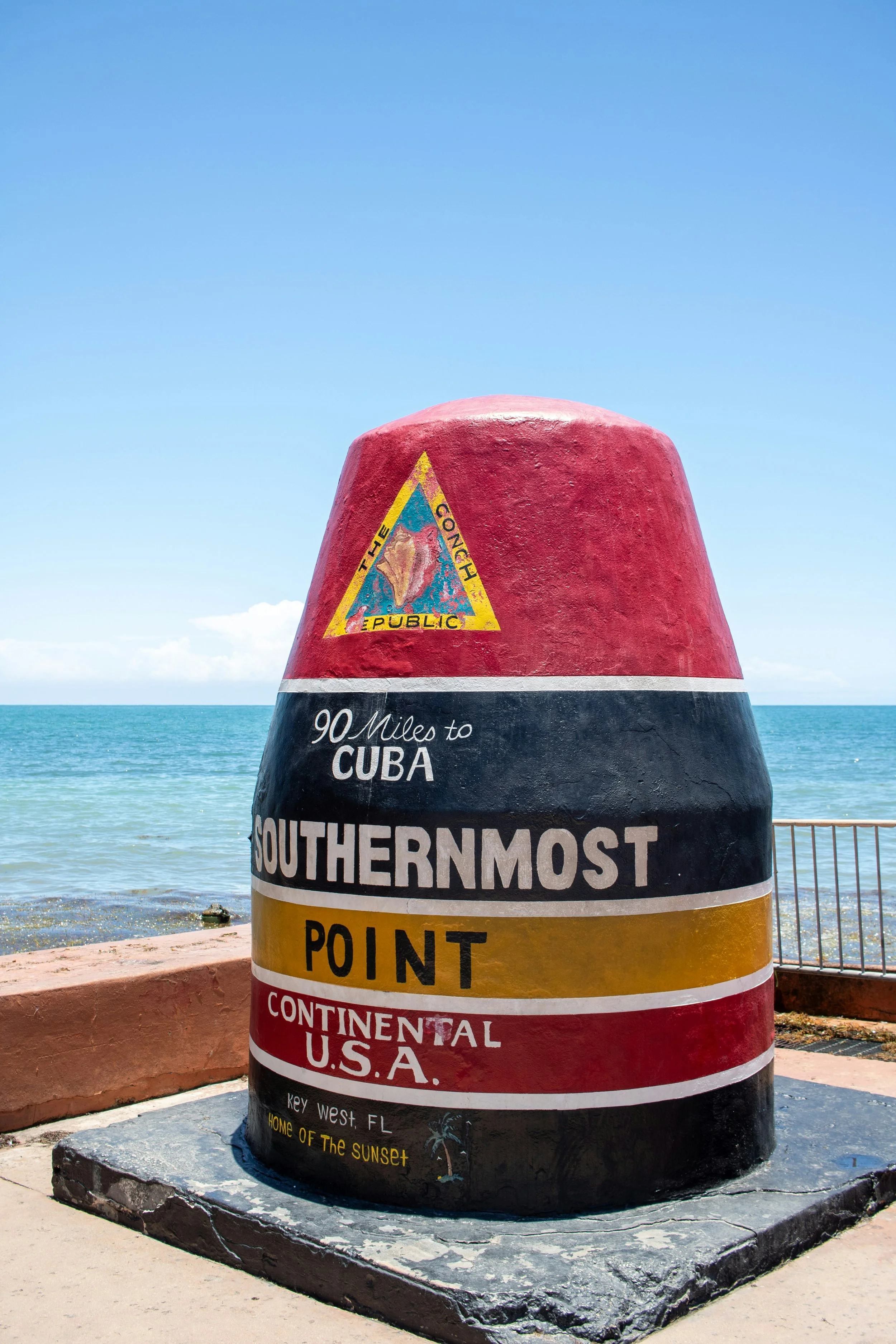
Photo: Zoshua Colah / Unsplash
Don’t Miss
Key West pink shrimp
Fresh local fish, often grilled, blackened, or served in tacos
Stone crab claws when in season
Florida spiny lobster when in season
Smoked fish dip
Conch fritters, a longstanding Keys favorite
Cuban-inspired dishes and coffee, especially in Key West
Key lime pie — and trying more than one version is entirely reasonable
Where to Focus
SEAFOOD & WATERFRONT DINING
Some of the best meals in the Keys are also the simplest: fresh fish, shrimp, or lobster served near the water with an open-air table and nowhere you need to be afterward.
Fishing culture is particularly strong around Islamorada, and some restaurants offer “cook your catch” service, preparing fish brought in from a day on the water.
KEY WEST
Key West has the broadest dining scene in the island chain, combining seafood and Caribbean flavors with Cuban influence, historic restaurants, bakeries, cafés, cocktail bars, and more contemporary dining.
It’s also the natural place to compare versions of Key lime pie—traditional, topped with meringue or whipped cream, frozen, or even dipped in chocolate.
Good to Know
Don’t make every meal a reservation. Some of the most memorable Keys meals can be a fish sandwich after a day on the water, a roadside seafood stop, Cuban coffee in Key West, or Key lime pie somewhere you hadn’t planned to stop.
Leave room to find a few favorites along the way.
ROAMETY FAMILY FAVORITES
When our family has personally visited a destination, this is where we share the places and experiences we genuinely loved.
Planning Notes
Best Time To Go
December through April offers warm weather, lower humidity, and generally drier conditions, making it one of the most comfortable times for boating, snorkeling, fishing, and exploring outdoors.
Late spring can be a good alternative for travelers who want warm water and a somewhat quieter feel. Summer and early fall bring hotter temperatures, greater humidity, more frequent rain, and tropical-weather considerations.
How Long To Stay
Roametry recommends 5–7 days for a first trip that includes multiple parts of the island chain.
With a full week, travelers can spend time in the Upper or Middle Keys, enjoy several water-based experiences, and finish with a few nights in Key West without feeling like the entire trip is spent driving.
Getting There
Travelers can fly directly into Key West International Airport (EYW) or arrive through Miami International Airport (MIA) or Fort Lauderdale-Hollywood International Airport (FLL) and continue south by car or shuttle.
If the goal is to experience several Keys, arriving in South Florida and driving the Overseas Highway can make the journey part of the trip.
Getting Around
A rental car is the easiest option for exploring the island chain.
The Overseas Highway stretches about 113 miles from Key Largo to Key West and crosses 42 bridges. Because U.S. 1 is the primary road through the Keys, traffic can build during busy periods, and drive times can be longer than the mileage suggests.
Once you reach Key West, especially Old Town, walking, biking, taxis, rideshare, and local transportation can often replace the car.
Book Ahead
For trips during the popular winter and spring months, consider reserving:
Hotels and vacation rentals
Rental cars
Snorkeling and diving excursions
Fishing charters
Sunset cruises
Dry Tortugas transportation
Popular Key West experiences
Water activities can also be affected by weather, so leave some flexibility in the itinerary when possible.
Know Before You Go
HURRICANE SEASON
Atlantic hurricane season officially runs June 1 through November 30, with tropical activity historically peaking later in the summer and early fall.
Travel during this period can still be rewarding, but travelers should pay closer attention to forecasts, cancellation policies, and travel insurance options. If a storm threatens the Keys, follow guidance from local emergency management and the National Hurricane Center.
ROAMETRY PLANNING TIP
Don’t underestimate the drive. The Overseas Highway is part of what makes the Florida Keys special, and it’s much more enjoyable when you aren’t racing toward the next stop.
Build in extra time for traffic, scenic pull-offs, waterfront lunches, and those unplanned places that make you want to stop for a while.
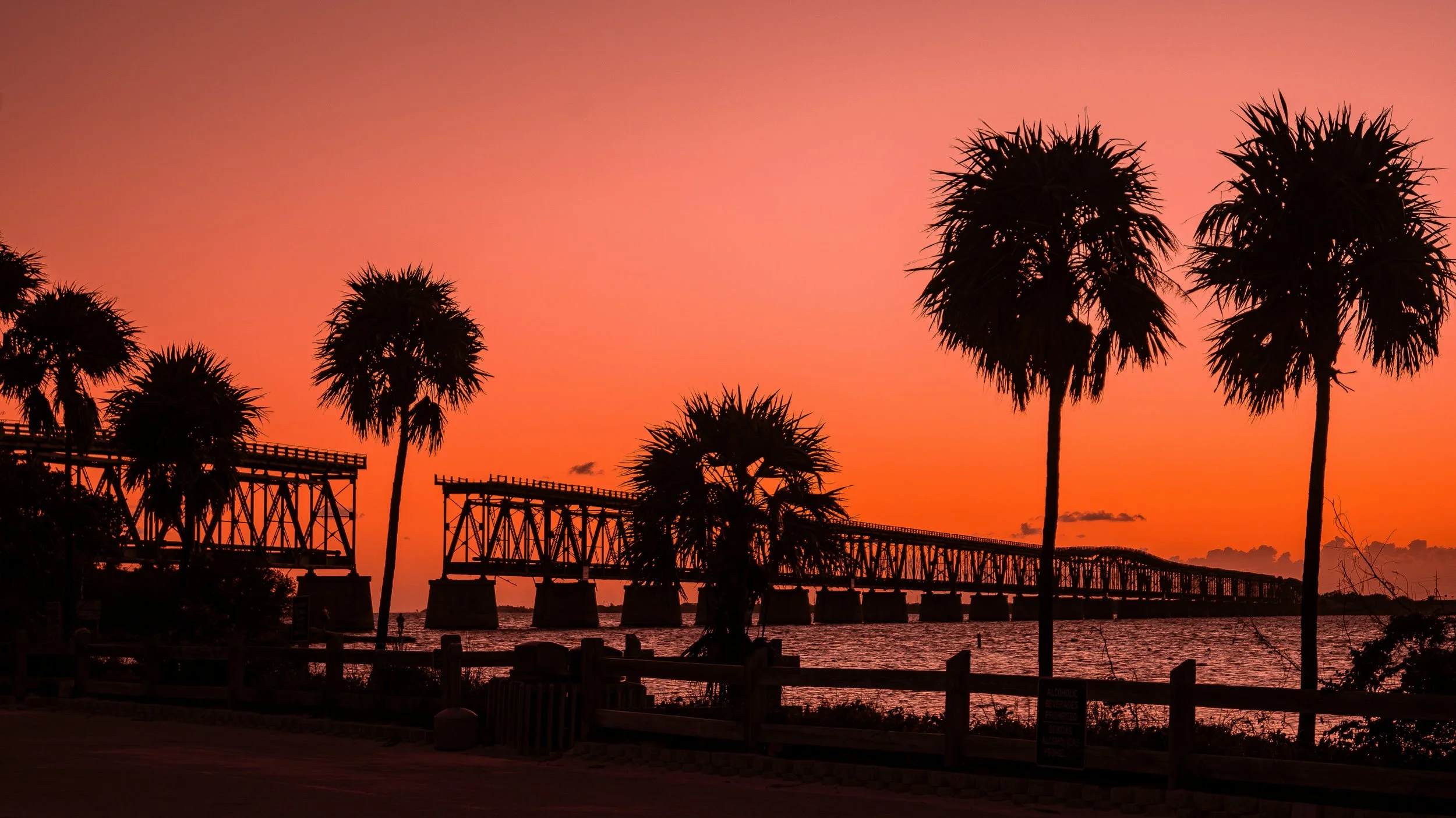
Photo: Aishwarya MV / Unsplash
Find Your Stay
Where you stay can shape your travel experience. Whether you prefer the convenience of a hotel or resort or the flexibility of a private vacation rental, explore accommodations that suit your travel style, priorities, and budget.
Affiliate disclosure: Roametry may earn a commission from qualifying bookings made through these links, at no additional cost to you.THE ROAMETRY TAKEAWAY
The Florida Keys are a strong fit for travelers who want warm weather, water-centered days, and a destination that feels more relaxed than rushed. The island chain works especially well for travelers who enjoy scenic drives, boating, snorkeling, fishing, seafood, wildlife, and spending plenty of time outdoors.
Travelers who like a mix of laid-back island time and active experiences will find a lot to love here, especially if they’re comfortable letting the water shape the trip. Those looking for extensive hiking, big-city culture, or a tightly packed sightseeing itinerary may find another destination a better match.
BEST MATCH FOR
Water activities • Scenic road trips • Snorkeling & diving • Fishing • Warm weather • Seafood • Relaxed travel
SOURCES & FURTHER READING
Roametry destination guides are independently written using research from official tourism, government, park, cultural, transportation, and destination resources. Conditions, schedules, access, and regulations can change; travelers should verify current information directly with the appropriate source before departure.
Florida Keys & Key West — Official Tourism Website
Official destination information covering Key Largo, Islamorada, Marathon, the Lower Keys, Key West, activities, accommodations, transportation, and regional travel planning. Visit the Florida Keys & Key West
Florida Keys & Key West — Weather
Official destination guidance covering seasonal temperatures, water temperatures, rainfall patterns, and hurricane-season considerations. View Florida Keys weather information
Florida Keys & Key West — Key West
Official information on Key West’s history, culture, architecture, attractions, dining, and visitor experiences. Explore Key West
Florida Keys & Key West — Food & Drink
Official destination information on seafood, local dining traditions, Cuban influence, Key lime pie, and other foods associated with the island chain. Explore Florida Keys food & drink
NOAA — Florida Keys National Marine Sanctuary
Official information on coral reefs, seagrass beds, mangroves, marine wildlife, snorkeling, diving, fishing, boating, conservation, and responsible recreation. Visit Florida Keys National Marine Sanctuary
Florida State Parks — John Pennekamp Coral Reef State Park
Official park information for snorkeling, diving, glass-bottom boat excursions, paddling, coral reefs, facilities, and visitor planning. Visit John Pennekamp Coral Reef State Park
Florida State Parks — Bahia Honda State Park
Official information on beaches, snorkeling, kayaking, wildlife, the historic bridge, park facilities, and visitor conditions. Visit Bahia Honda State Park
National Park Service — Dry Tortugas National Park
Official visitor information covering Fort Jefferson, transportation from Key West, snorkeling, boating, weather, reservations, and trip preparation. Visit Dry Tortugas National Park
National Hurricane Center — Tropical Cyclone Climatology
Official NOAA information on Atlantic hurricane season, historical storm activity, seasonal timing, forecasts, and tropical-weather monitoring. View hurricane climatology
Last researched and reviewed: October 2026
Our Research Approach
At Roametry, we believe the best destinations aren't necessarily the most popular—they're the ones that fit the traveler.
Our destination guides are informed by a growing research catalog that examines travel experiences, cultural characteristics, seasonal considerations, accessibility, and practical travel factors. We draw on reputable published sources and destination-specific research to create thoughtful, informative guides that help travelers explore places with greater confidence.
Each guide is reviewed for accuracy and relevance before publication. Because travel conditions, availability, and local information can change, we encourage travelers to verify important details before making arrangements.