
ROAMETRY DESTINATION GUIDE
Galápagos Islands
Extraordinary wildlife, volcanic landscapes, and close-up encounters with nature found nowhere else on Earth.
Affiliate DisclosureSome links in this guide are affiliate links. If you book or make a purchase through these links, Roametry may earn a commission at no additional cost to you. Our destination research and recommendations are developed independently, with traveler fit guiding our recommendations rather than affiliate partnerships.WHY THIS DESTINATION FITS
The Galápagos Islands are especially well suited to travelers who want wildlife and nature to be the center of the trip. Giant tortoises, marine iguanas, sea lions, penguins, seabirds, volcanic landscapes, and remarkably rich marine life create an experience that feels less like traditional sightseeing and more like stepping into a living natural history documentary.
Days here tend to revolve around wildlife encounters, snorkeling, hiking, kayaking, small-boat excursions, and exploring volcanic terrain. Travelers can choose between a land-based trip using inhabited islands as bases or an expedition cruise that reaches more remote parts of the archipelago.
The destination is also a particularly strong fit for travelers interested in ecology, conservation, photography, and natural history. Because much of Galápagos is protected, visiting comes with more structure than many island destinations. Access to protected visitor sites and permitted activities is carefully managed, so this is not a place built around unrestricted wandering or spontaneous exploration.
Travelers primarily seeking resort-style relaxation, nightlife, shopping, or a conventional tropical beach vacation may find another destination a better match. Galápagos is at its best for travelers who are excited to organize their days around the natural world.
Roametry fit: Wildlife • Snorkeling & diving • Nature • Conservation • Photography • Volcanic landscapes • Active exploration
AT A GLANCE
Best for
Wildlife • Snorkeling & diving • Nature • Photography • Conservation • Volcanic landscapes • Active exploration
Ideal trip length
7–10 days for a first visit, with additional time worthwhile if combining several inhabited islands or choosing a longer expedition cruise.
Best seasons
Year-round, with two noticeably different seasons. December–May is warmer, with warmer water, more sunshine between showers, and generally calmer seas. June–November is cooler and drier, with the garúa season bringing cloudier conditions, cooler water, and more active marine ecosystems.
Travel pace
Balanced to active — days often combine wildlife walks, snorkeling, small-boat excursions, hiking, kayaking, and transfers between visitor sites.
Budget feel
$$$ / $$$$ — Premium to High-End
Getting around
Choose between an expedition cruise or a land-based island-hopping trip. Santa Cruz, San Cristóbal, and Isabela are the primary bases for land-based travelers. Passenger boats connect several inhabited islands, with many crossings taking roughly 2–3 hours, while small inter-island flights are another option.
WHAT DEFINES THIS DESTINATION
LANDSCAPE
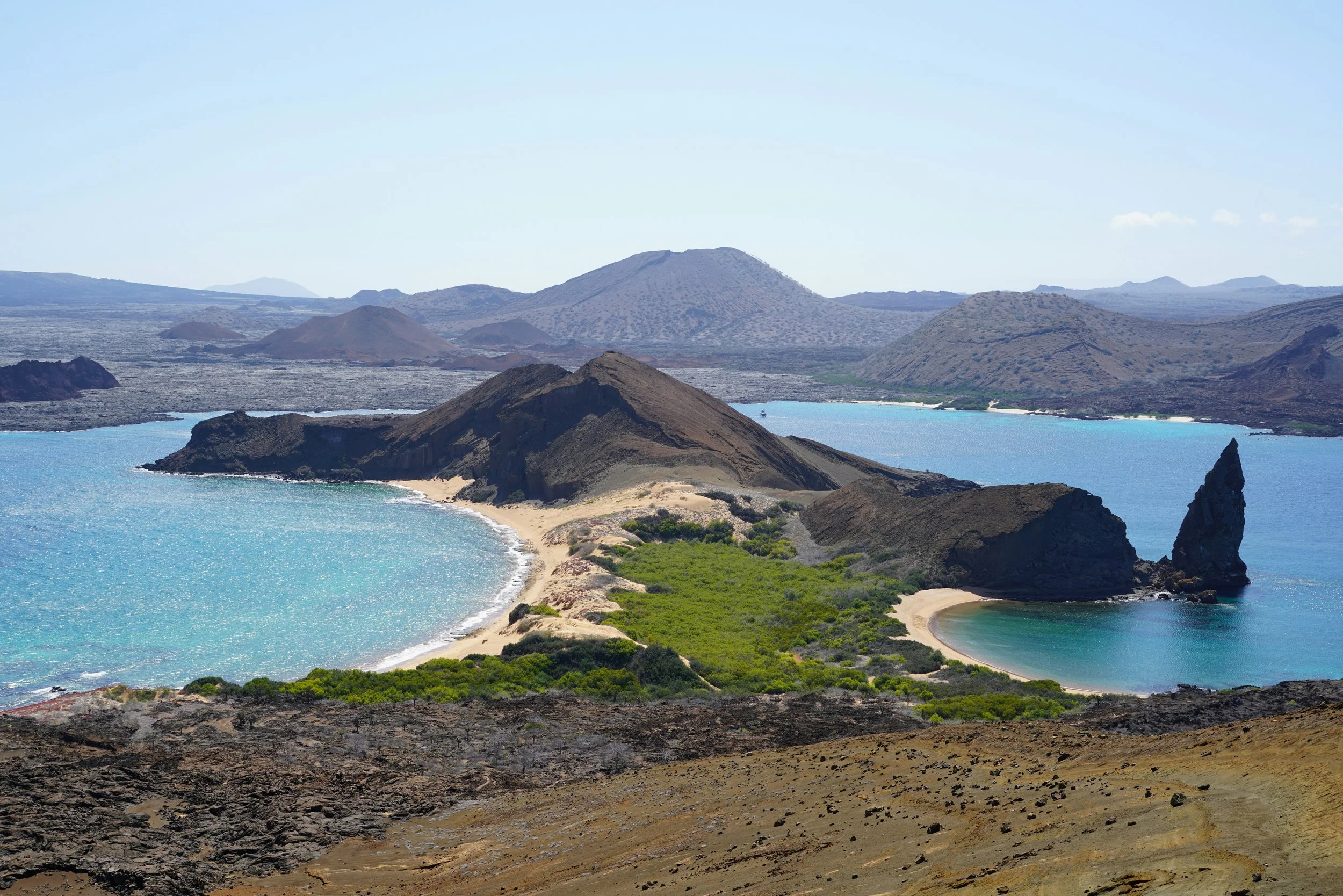
A volcanic archipelago shaped by lava fields, craters, rugged coastlines, highlands, beaches, and clear Pacific waters. The contrast between younger, stark volcanic islands and greener, older landscapes is part of what makes traveling through Galápagos feel so varied.
WILDLIFE & CONSERVATION
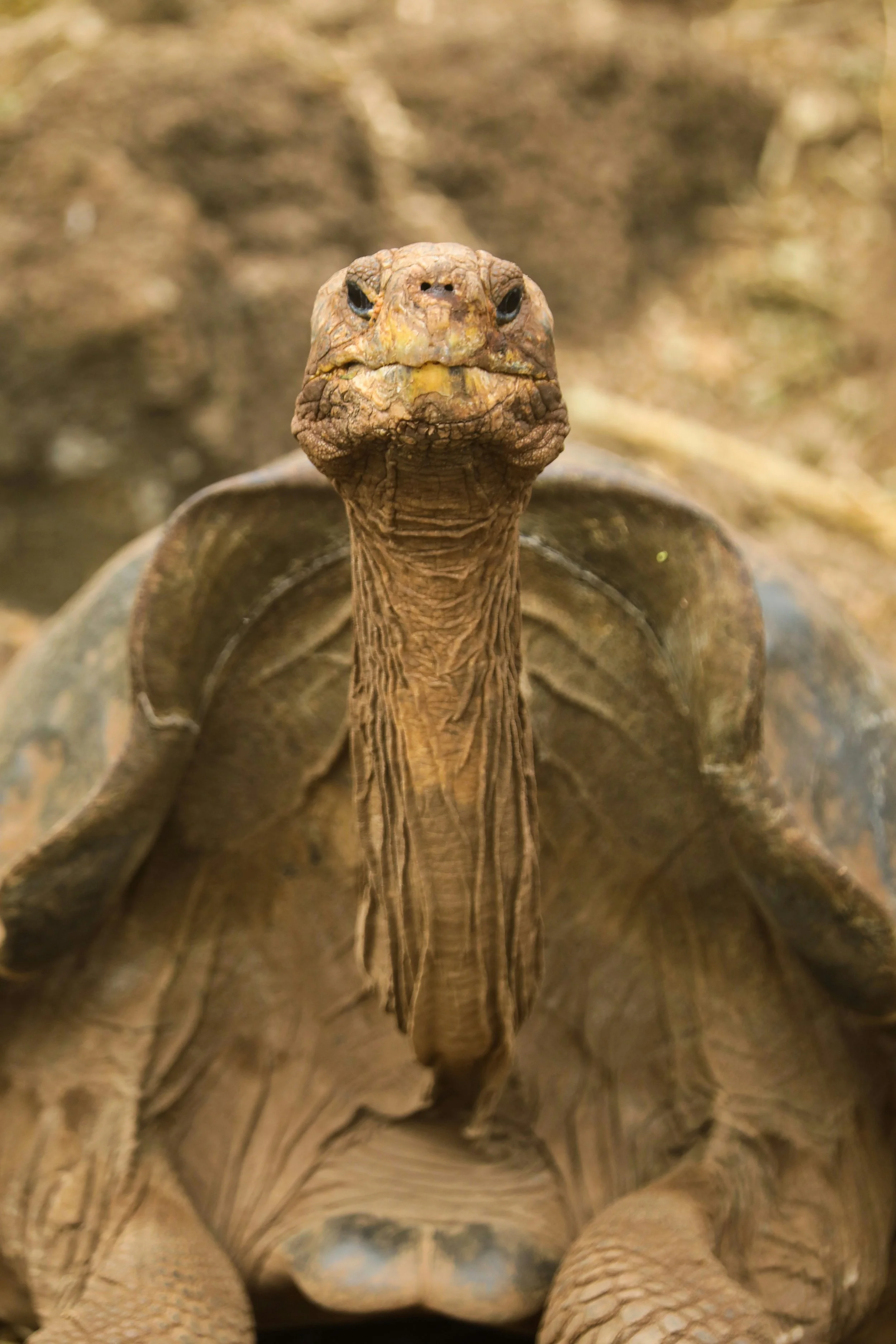
Wildlife is the defining feature of Galápagos. Giant tortoises, marine iguanas, sea lions, blue-footed boobies, penguins, sea turtles, rays, sharks, and countless seabirds live within ecosystems protected on an extraordinary scale. Conservation influences nearly every part of the visitor experience, from where travelers can go to how closely they may approach wildlife.
CULTURE
Life on the inhabited islands blends Ecuadorian culture with fishing traditions, conservation, tourism, and scientific research. Puerto Ayora, Puerto Baquerizo Moreno, Puerto Villamil, and the smaller community on Floreana provide a human side to an archipelago better known for its natural history.
FOOD
Fresh seafood is central, alongside familiar Ecuadorian flavors such as ceviche, rice dishes, plantains, soups, and coconut-based preparations. Dining is generally more about fresh ingredients and relaxed island meals than a destination-driven fine-dining scene.
ADVENTURE
Snorkeling, diving, wildlife walks, kayaking, volcanic hikes, small-boat excursions, and expedition cruising shape most itineraries. The adventure here comes less from adrenaline and more from extraordinary access to wildlife and landscapes that feel unlike almost anywhere else.
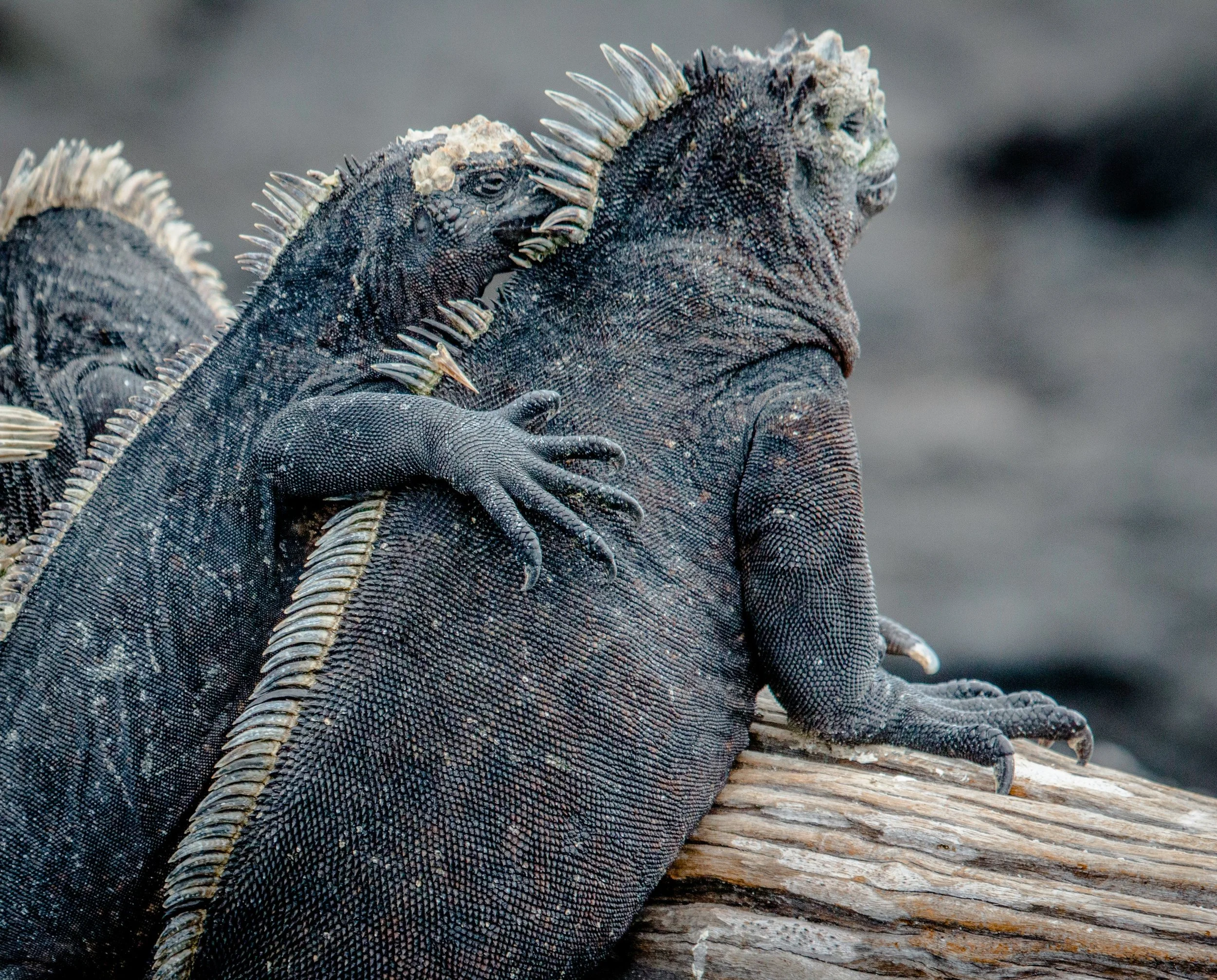
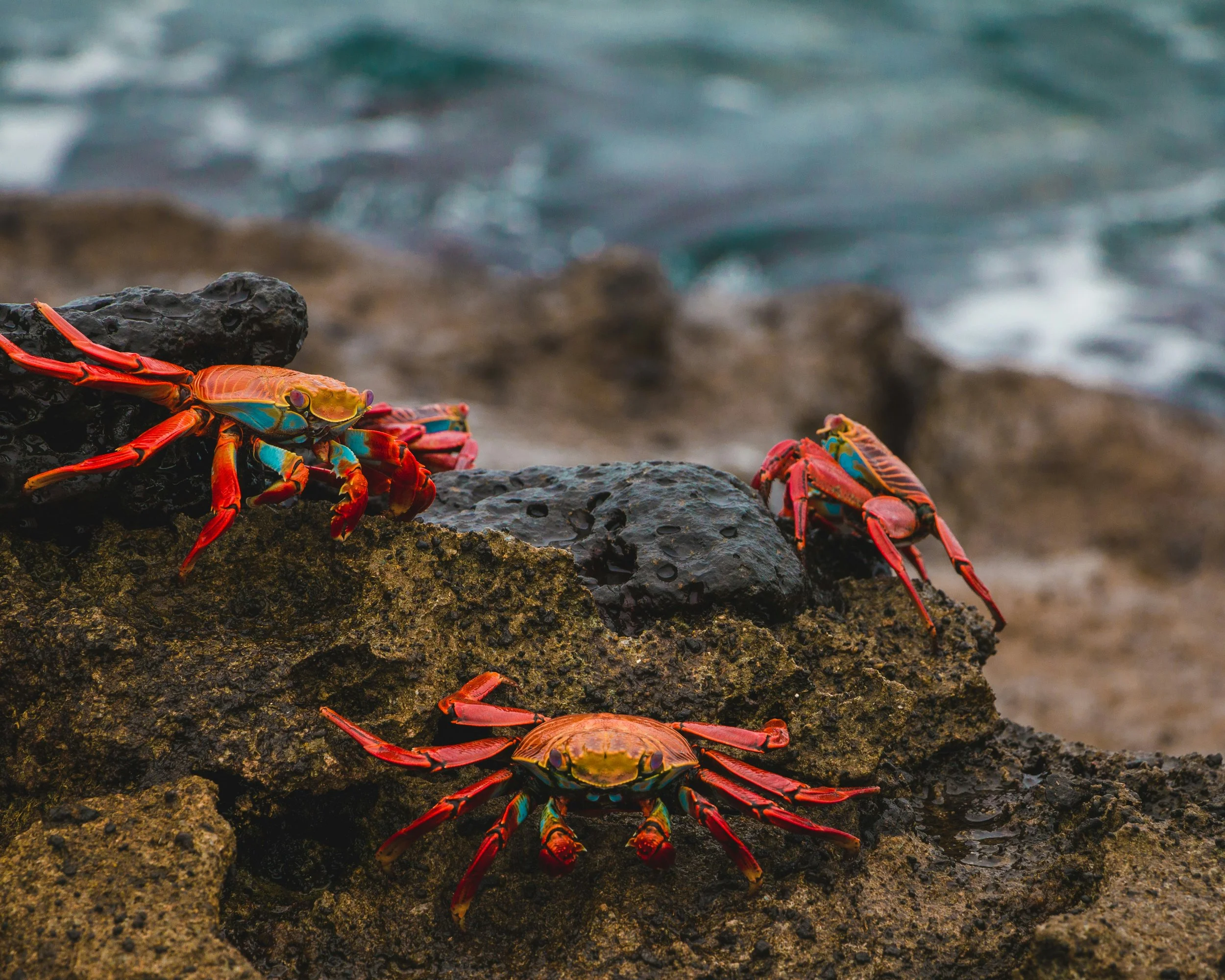
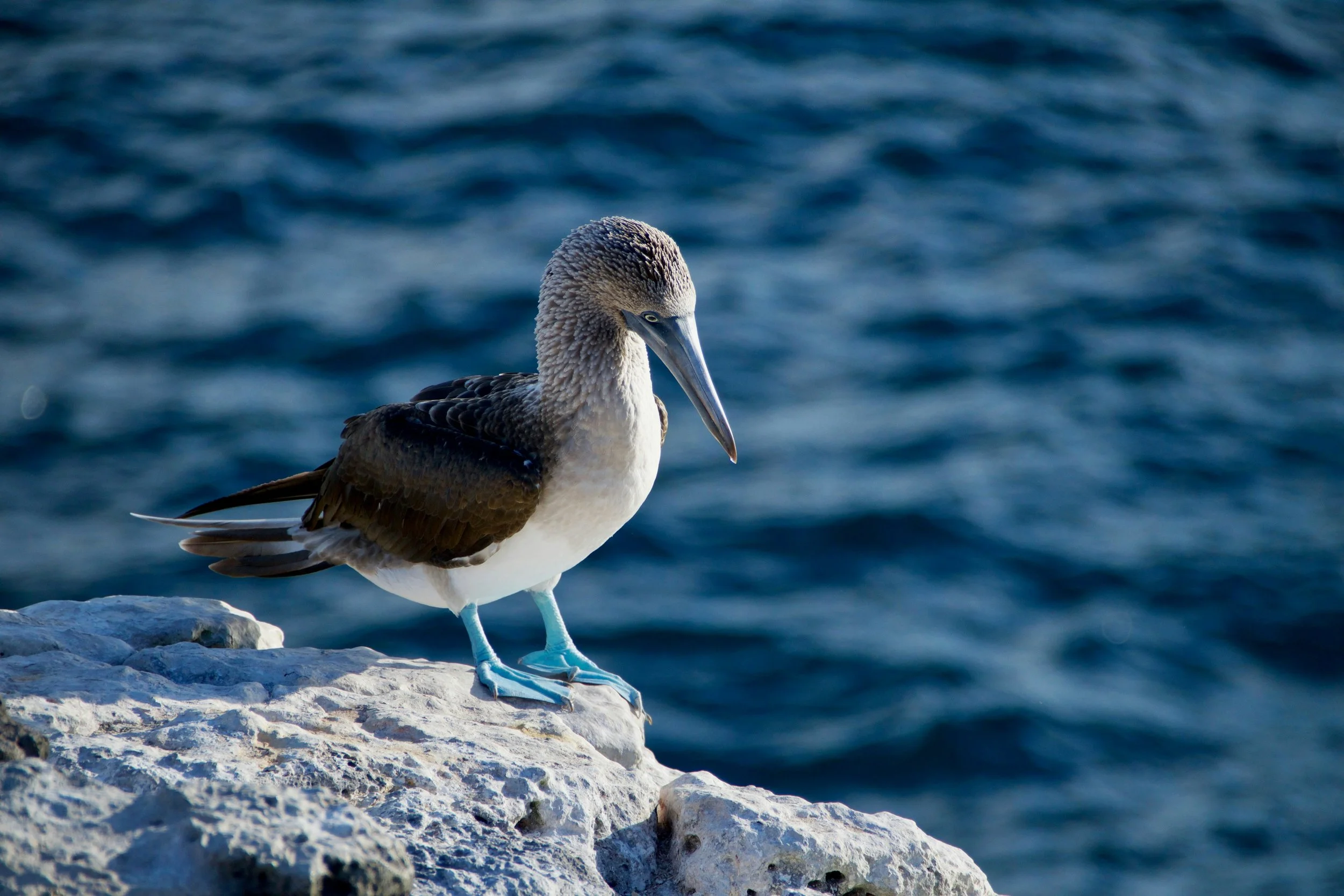
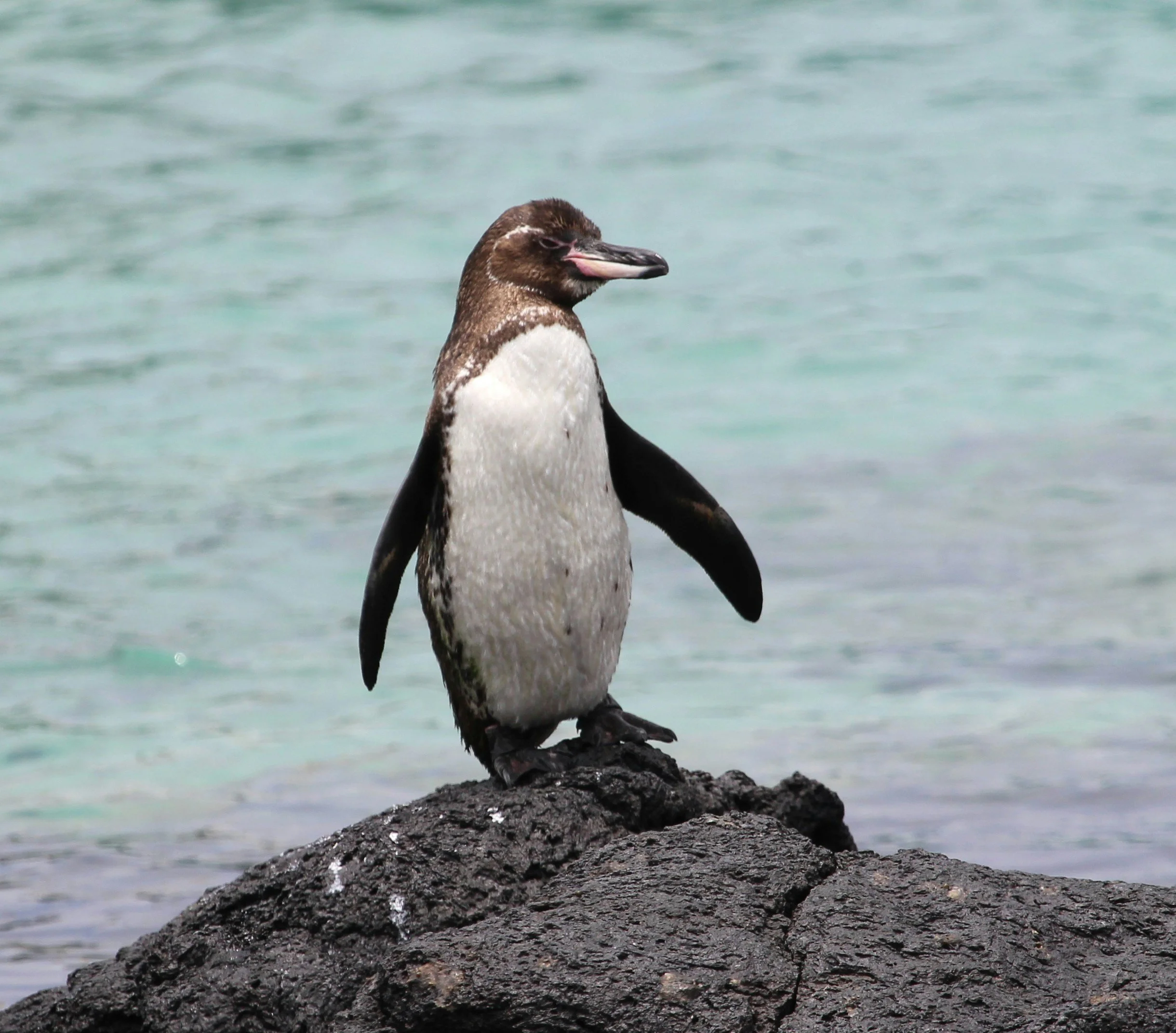
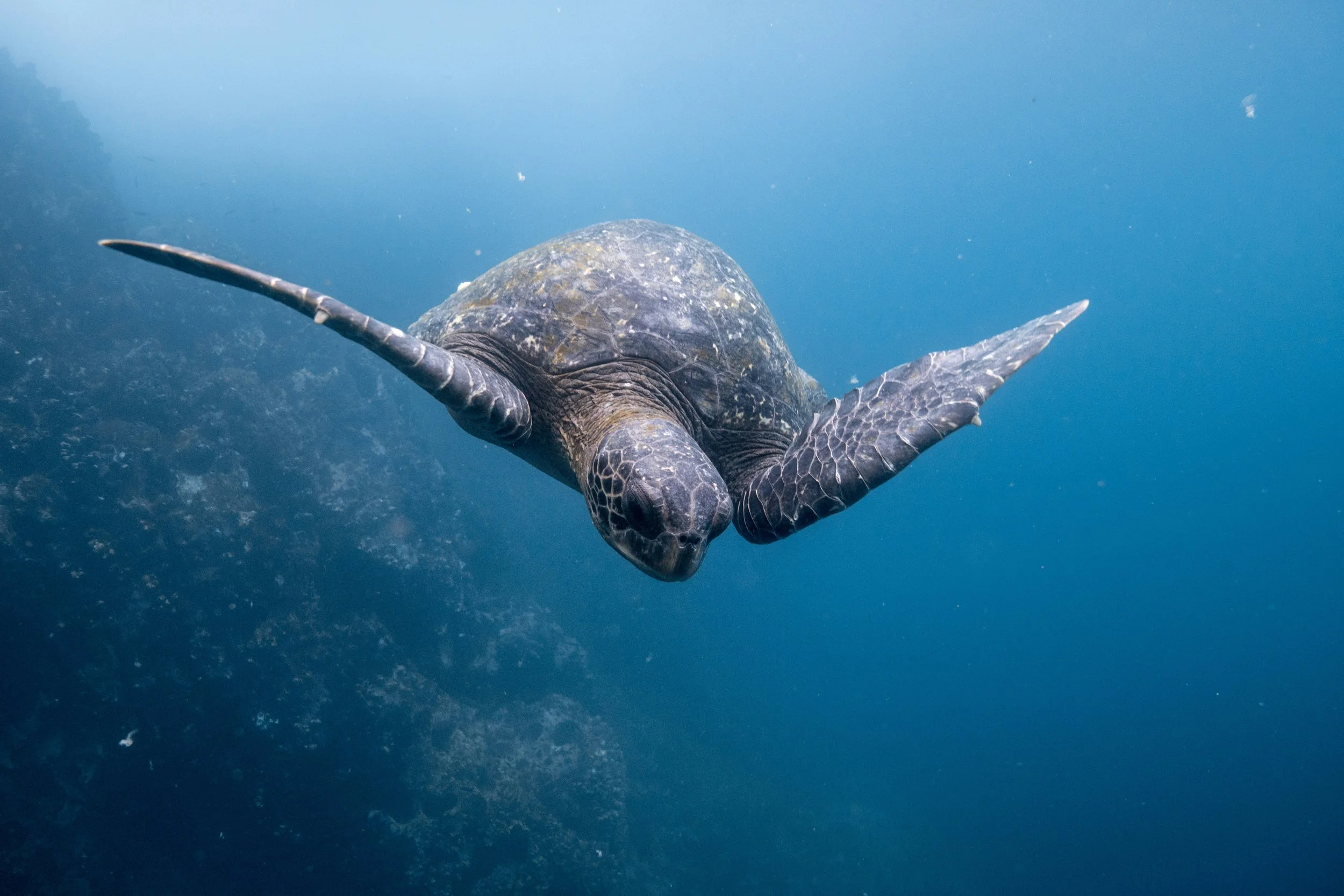
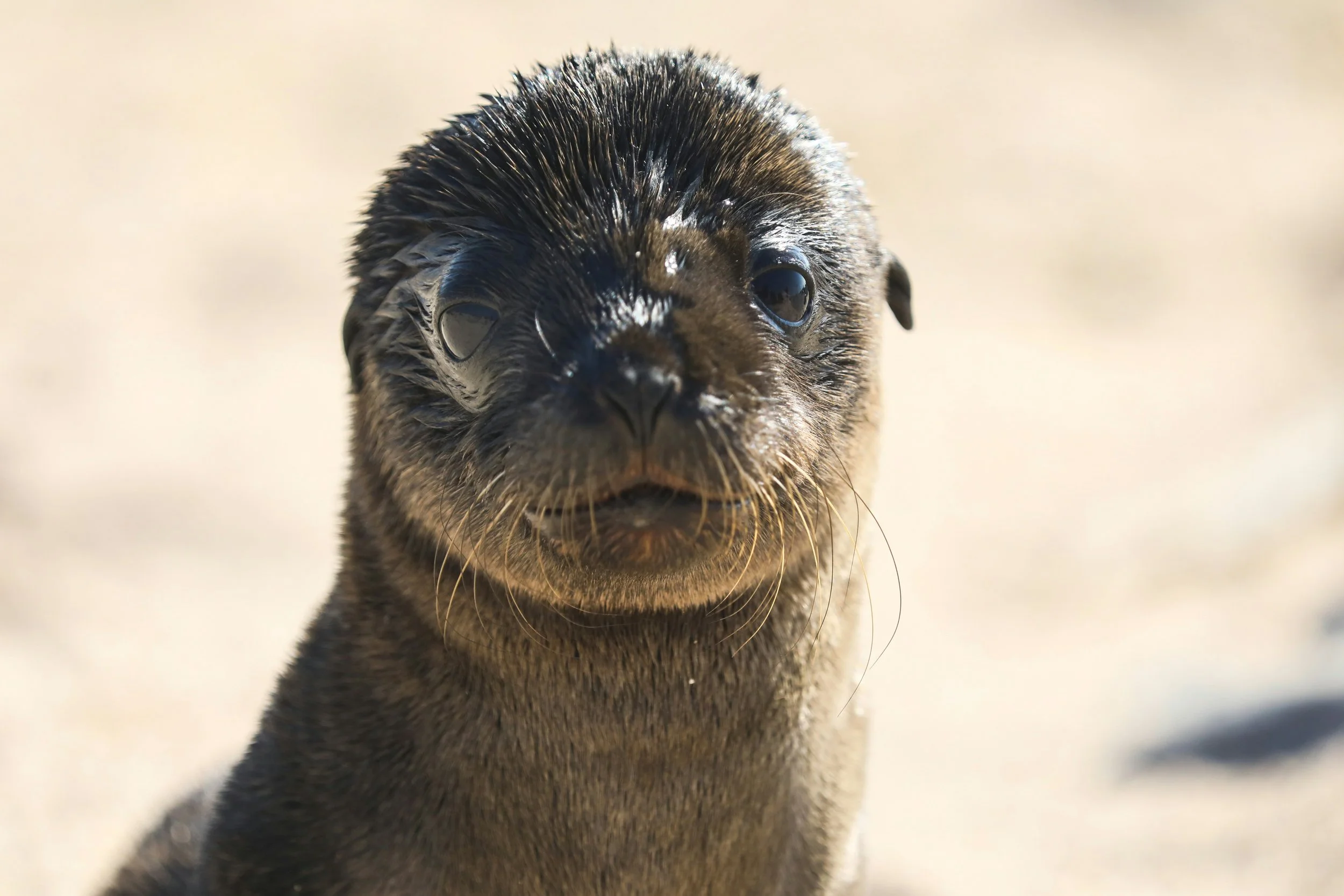
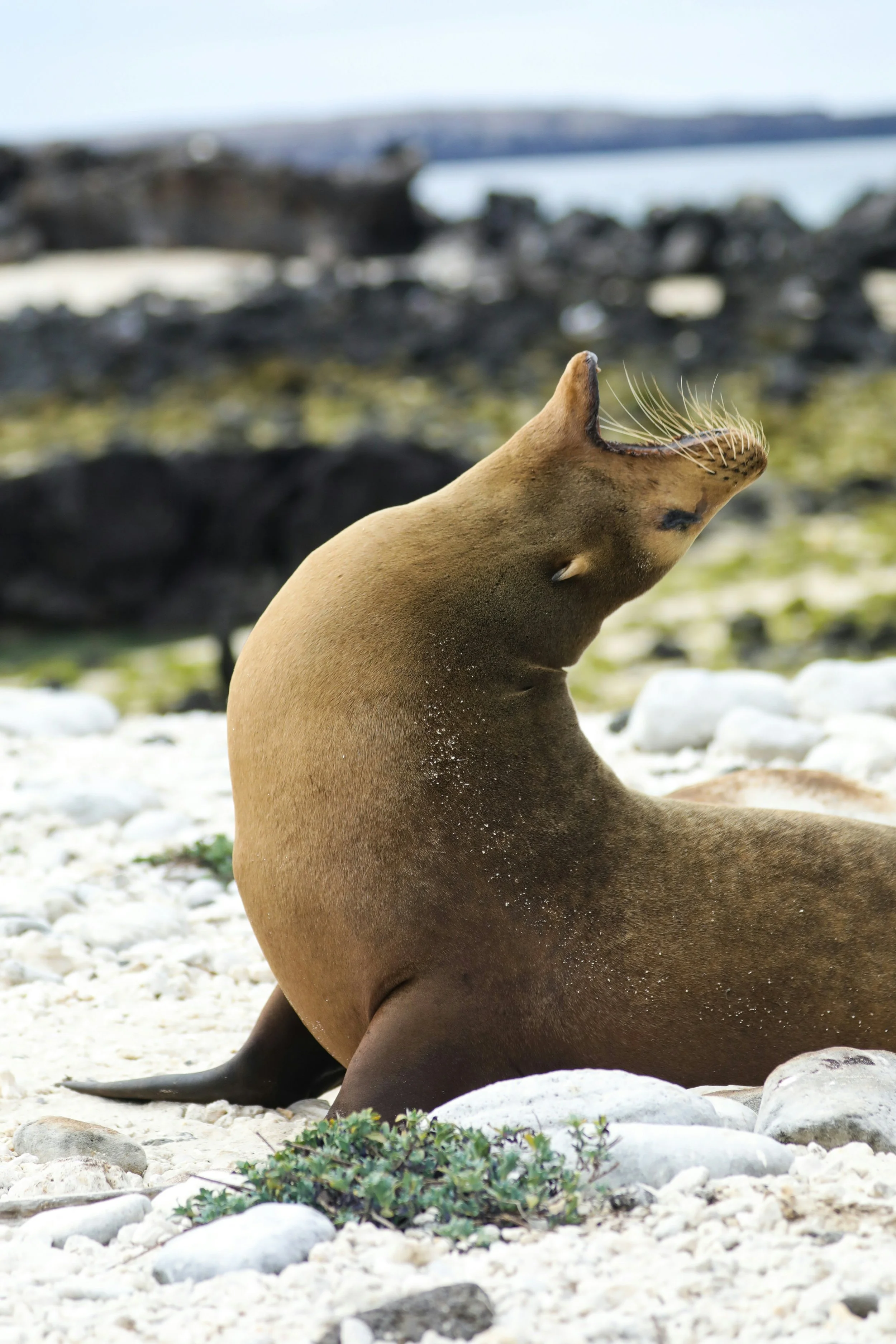
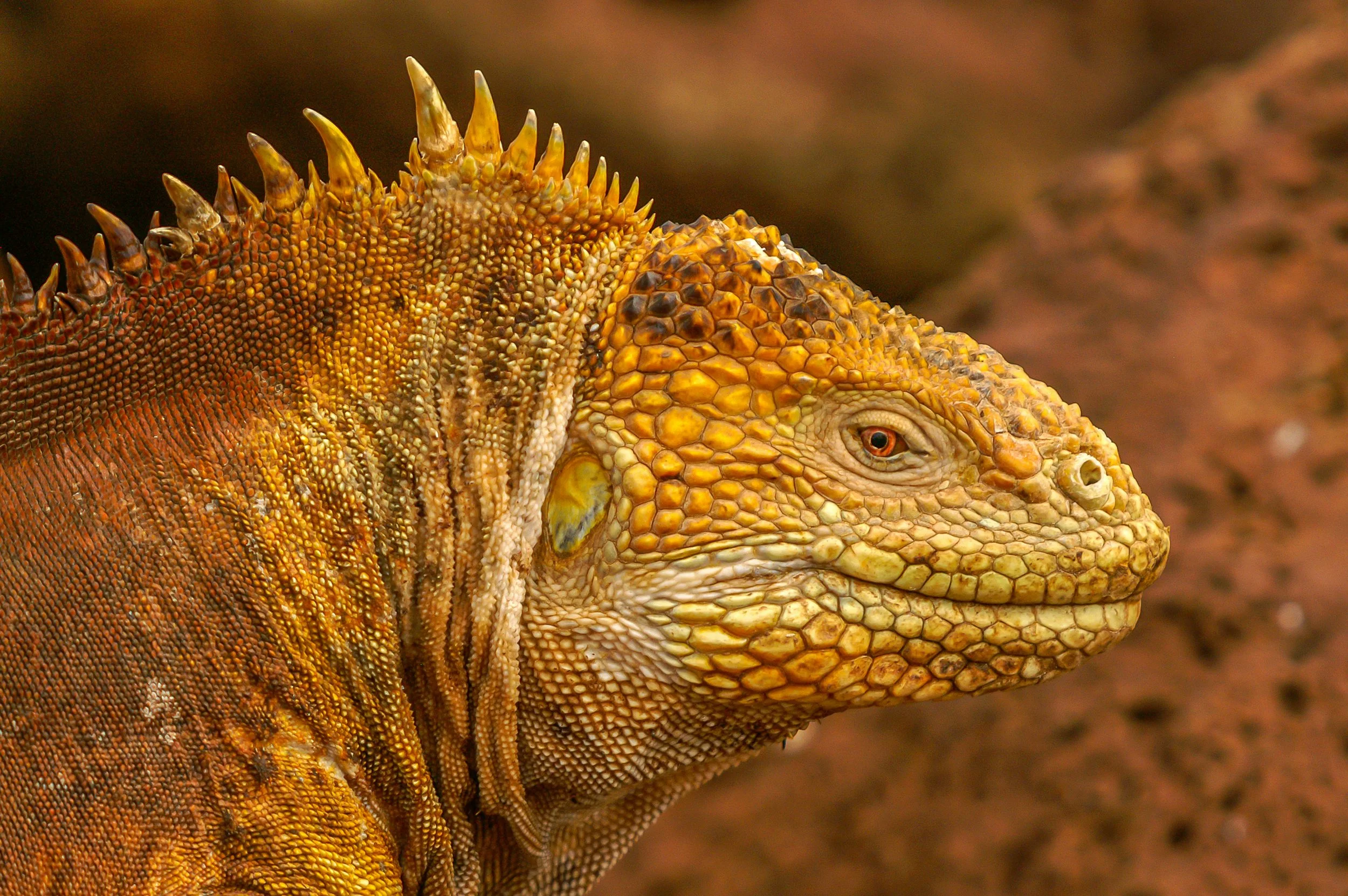
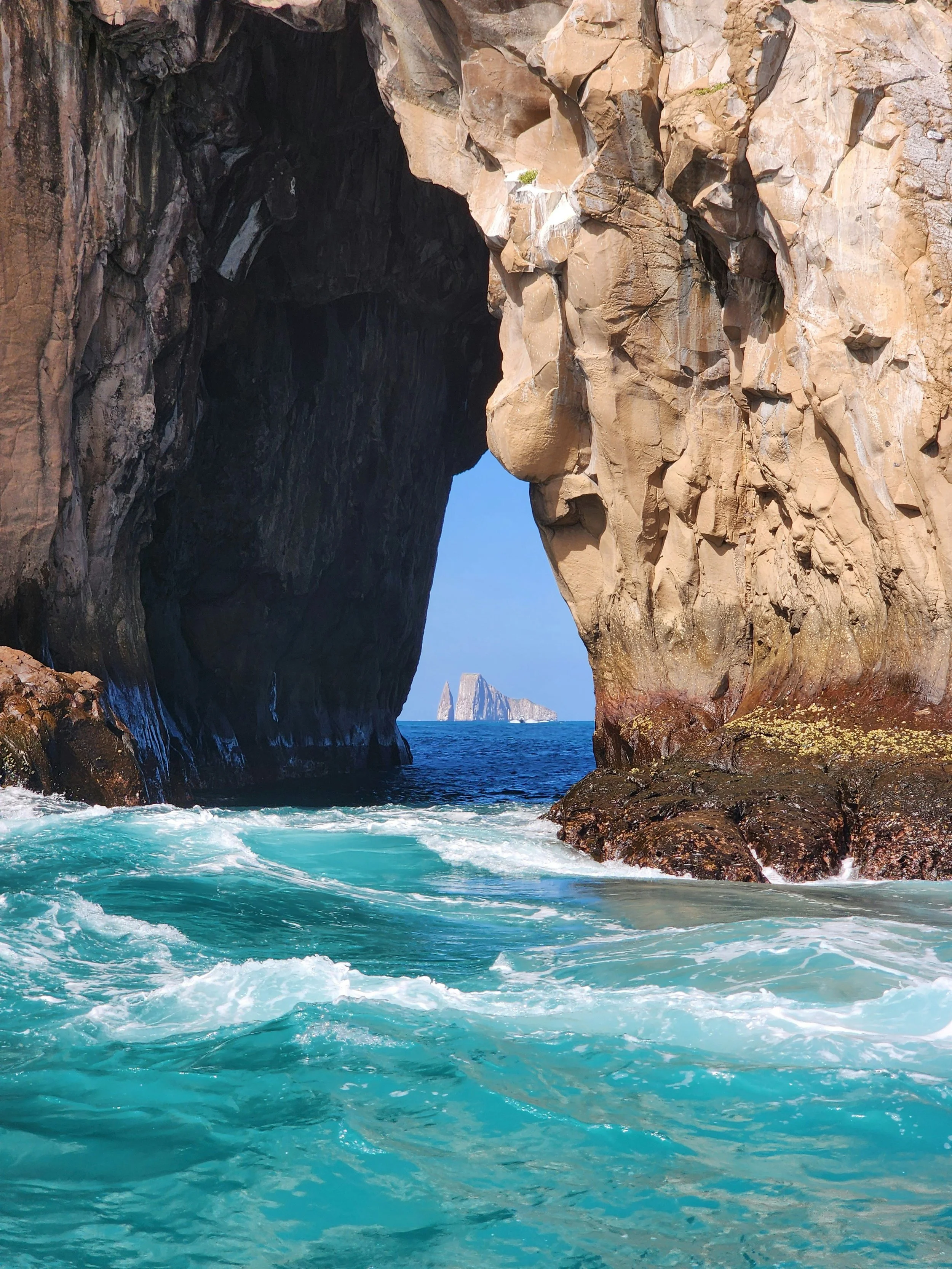
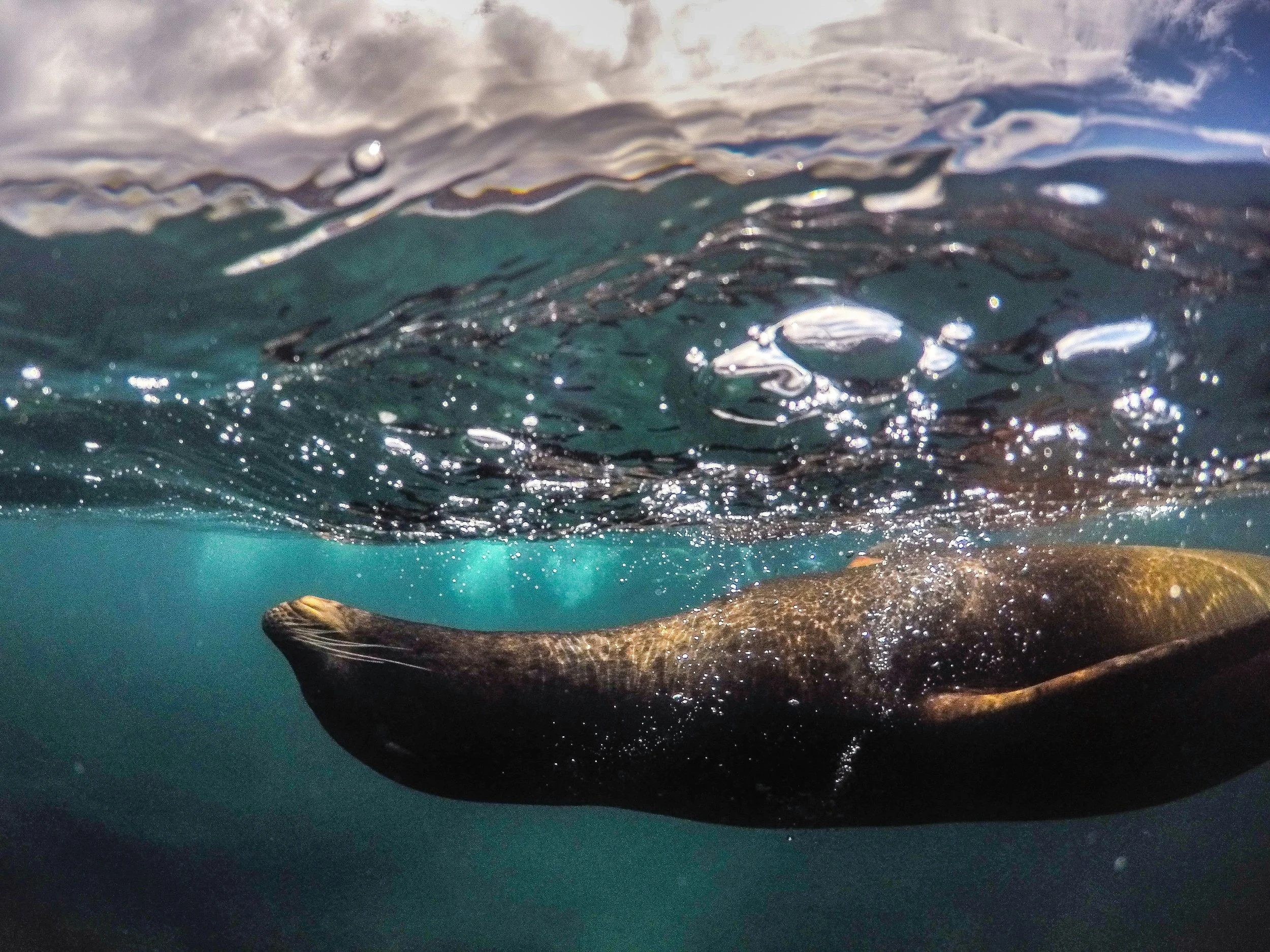
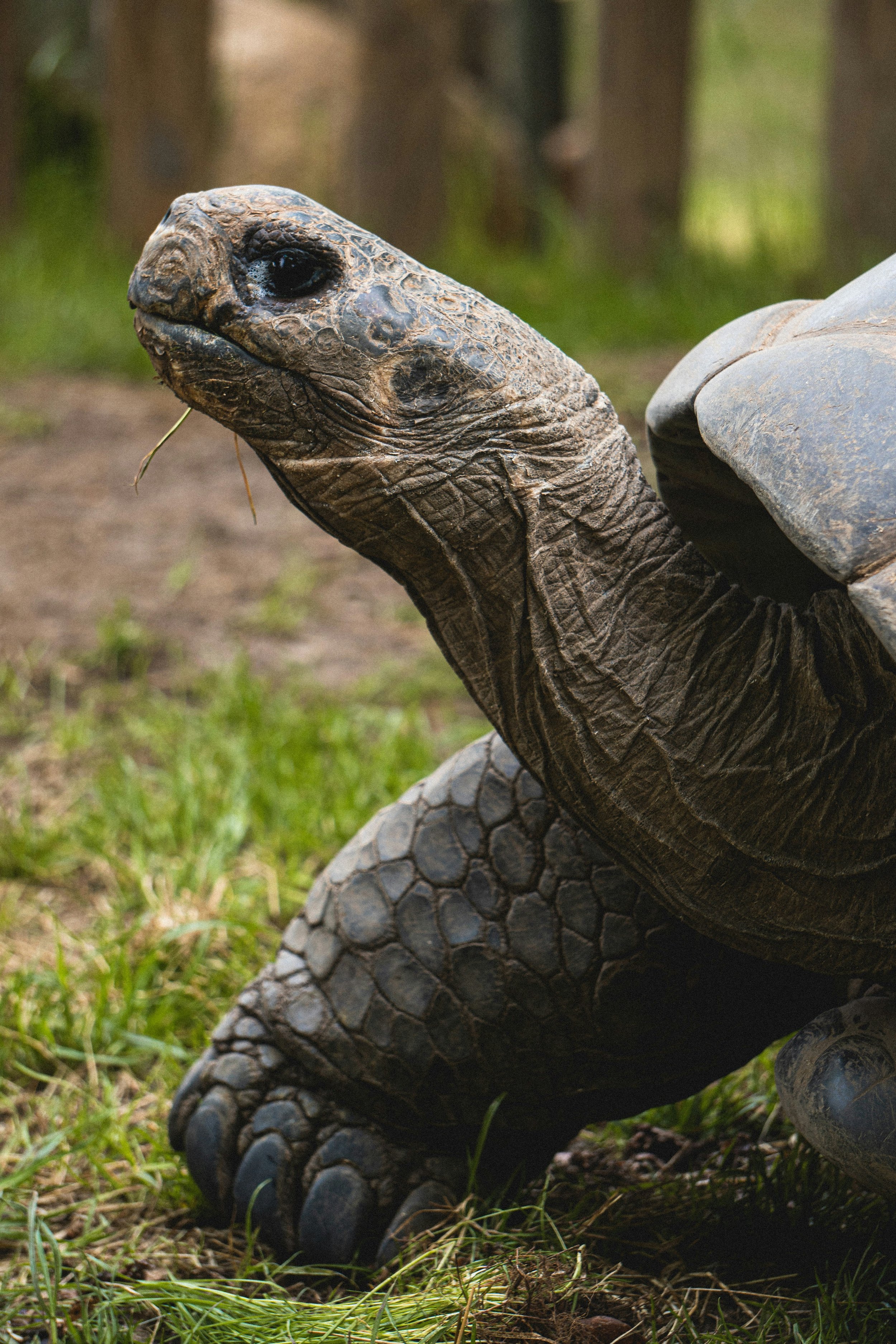
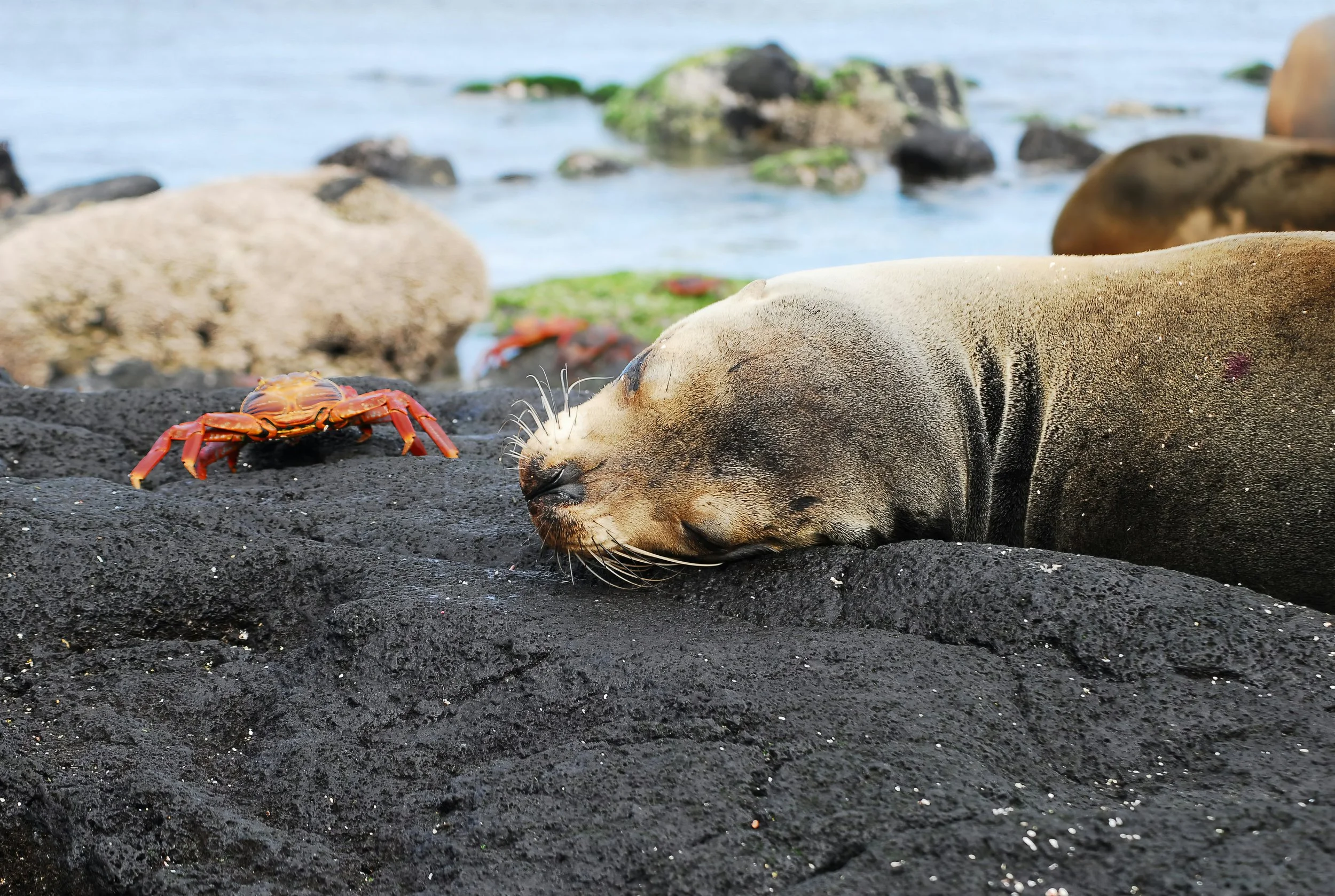
Photo Credits (in no particular order): Nicolas Martin; Sonder Quest; Dylan Shaw; Dustin Haney; Alan Alquist; Rod Long; Andy Brunner; Stuart James; Amy Perez; Darius Wiles; Han-Jurgen Mager
WHERE TO STAY
Where you stay in Galápagos shapes the entire trip. For a land-based itinerary, Santa Cruz, Isabela, and San Cristóbal are the strongest bases, each offering a different balance of convenience, wildlife, excursions, and island atmosphere. Travelers who want access to more remote visitor sites may prefer an expedition cruise instead.
SANTA CRUZ — PUERTO AYORA
Best for: First-time visitors • Day trips • Dining • Convenience • Island hopping
Puerto Ayora offers the broadest concentration of accommodations, restaurants, tour operators, and visitor services in Galápagos, making Santa Cruz the easiest all-around base for many first trips.
It also provides access to highland giant-tortoise habitat, Tortuga Bay, nearby marine sites, and numerous day trips to surrounding islands.
ISABELA — PUERTO VILLAMIL
Best for: Nature • Slower travel • Volcanic landscapes • Beaches • Active exploration
Isabela has a quieter, less developed feel and works especially well for travelers who want the natural environment to remain front and center.
From Puerto Villamil, travelers can explore nearby wildlife sites, snorkel around Las Tintoreras, visit wetlands and beaches, and take excursions into the island’s volcanic landscapes. It is an excellent place to slow the itinerary down for several nights.
SAN CRISTÓBAL — PUERTO BAQUERIZO MORENO
Best for: Wildlife • Snorkeling • Easy arrival • Sea lions • Independent exploration
San Cristóbal offers an appealing balance of town convenience and remarkably accessible wildlife. Sea lions are part of everyday life along the waterfront, while nearby beaches and visitor sites make it easy to experience nature without scheduling every hour of the day.
It is also one of the archipelago’s two primary air gateways, making it particularly useful for travelers who want to fly into one island and out of another.
EXPEDITION CRUISE
Best for: Remote islands • Wildlife variety • Guided exploration • Efficient access
An expedition cruise creates a very different Galápagos experience. Rather than returning to the same island base each night, travelers move through the archipelago with naturalist guides and reach visitor sites that are difficult—or impossible—to experience on a land-based trip.
Cruises range from shorter itineraries to longer journeys through multiple regions of the archipelago. The tradeoff is less independence and more structured days, but the benefit is access to a wider variety of landscapes and wildlife habitats.
Recommended Stays
For a first land-based trip, consider splitting your stay between two or three islands rather than trying to see everything from Santa Cruz. Santa Cruz offers the easiest logistics and widest excursion selection, while adding Isabela or San Cristóbal creates a noticeably different experience.
Travelers whose highest priority is wildlife variety and access to remote islands should seriously compare a land-based itinerary with an expedition cruise before booking.
WHAT TO DO
Signature Experience - EXPERIENCE GALÁPAGOS WILDLIFE UP CLOSE
The defining Galápagos experience is simply being in the same landscape as wildlife that often seems remarkably unconcerned by your presence. Giant tortoises move through the highlands, sea lions rest along waterfronts and beaches, marine iguanas gather on volcanic rock, and seabirds nest beside designated trails.
Wildlife encounters happen throughout the archipelago, but the exact species and experiences vary by island—one of the reasons visiting more than one part of Galápagos can be so rewarding.
SNORKEL WITH MARINE LIFE
Some of the archipelago’s most memorable wildlife encounters happen underwater.
Depending on the site and conditions, snorkeling can bring opportunities to see:
Sea lions
Sea turtles
Rays
Reef fish
Marine iguanas
Galápagos penguins
Sharks
Popular snorkeling experiences include sites around Isabela, San Cristóbal, Santa Cruz, and the surrounding smaller islands. Guided boat excursions provide access to many of the most wildlife-rich marine sites.
SEE GIANT TORTOISES
Spend time with the animals that gave the islands their name.
On Santa Cruz, giant tortoises can be seen in the highlands as well as at conservation facilities. San Cristóbal and Isabela also offer opportunities to learn about tortoise conservation and the ongoing work to restore native populations.
Seeing tortoises moving naturally through the landscape is one of the experiences worth making room for rather than treating as a quick photo stop.
TAKE A WILDLIFE-FOCUSED DAY TRIP OR EXPEDITION
Boat excursions open up parts of Galápagos that cannot be reached independently. Depending on your base and itinerary, trips may include islands and visitor sites known for seabirds, marine iguanas, sea lions, penguins, tortoises, snorkeling, or distinctive volcanic scenery.
An expedition cruise takes this further by moving between remote visitor sites over several days, making it possible to experience a broader range of habitats without repeatedly returning to an inhabited island.
Roametry Recommends
Choose experiences for the wildlife and landscapes they offer rather than trying to check off every island. Galápagos rewards travelers who slow down, watch carefully, and let a few exceptional encounters become the highlights of the trip.
And remember that you’re visiting a protected ecosystem: follow your guide, stay on designated trails, and give wildlife plenty of space.
EXPLORE VOLCANIC LANDSCAPES
Galápagos is as geologically fascinating as it is biologically unusual.
On Isabela, hikes around Sierra Negra and Volcán Chico reveal enormous volcanic features, lava fields, and stark terrain unlike the greener coastal landscapes nearby.
Elsewhere in the archipelago, lava formations, crater landscapes, volcanic beaches, and younger islands such as Fernandina make the geological story visible almost everywhere you look.
KAYAK, HIKE & EXPLORE AT A SLOWER PACE
Not every day needs to revolve around a major excursion.
Consider:
Kayaking through protected coastal areas
Walking beaches and designated trails
Exploring wetlands on Isabela
Hiking around Cerro Tijeretas on San Cristóbal
Spending time along the waterfront watching sea lions and marine birds
Visiting conservation and interpretation centers
Leaving unscheduled time for wildlife encounters that happen naturally
Explore Galápagos Experiences
Discover wildlife-focused day trips, snorkeling excursions, island tours, guided hikes, and other bookable experiences that can help you explore more of the archipelago.
Affiliate disclosure: Roametry may earn a commission from qualifying bookings made through the link below, at no additional cost to you.
FOOD & DRINK
Food in the Galápagos reflects both the Ecuadorian mainland and the islands’ marine environment. Fresh seafood plays a central role, while familiar Ecuadorian flavors—ceviche, plantains, rice, soups, and coconut-based preparations—appear throughout the inhabited islands. Ecuador’s tourism ministry also highlights organic coffee grown in volcanic soils and sustainable cooking as part of the archipelago’s food identity.
Don’t Miss
Fresh fish and seafood
Ceviche, often made with fish or shrimp
Encocado, seafood prepared with coconut milk
Plantain-based dishes
Rice and seafood combinations
Locally grown Galápagos coffee
Fresh fish and seafood
Seasonal spiny lobster, when legally available
The surrounding Pacific naturally shapes the menu. Fish, shrimp, and other seafood are common, but Galápagos fisheries are carefully regulated to protect marine resources.
When ordering seafood, choosing restaurants that work with legally harvested and monitored local catch supports the conservation systems that make the destination possible. Galápagos National Park actively monitors restaurant compliance with sustainable-fishing regulations.
Where to Focus
Puerto Ayora offers the widest dining selection, from casual seafood restaurants and cafés to more polished contemporary options.
Puerto Baquerizo Moreno has an easygoing waterfront dining scene with seafood, Ecuadorian dishes, cafés, and casual restaurants.
Puerto Villamil is smaller and more relaxed, with simple restaurants and beachside meals that suit Isabela’s slower pace.
Good to Know
Keep dining simple and flexible. Galápagos is a destination where an early dinner after a full day of snorkeling or wildlife excursions can be more satisfying than building the itinerary around restaurant reservations.
Try the seafood, order a few Ecuadorian staples, and save room for a cup of locally grown coffee.
ROAMETY FAMILY FAVORITES
When our family has personally visited a destination, this is where we share the places and experiences we genuinely loved.
Planning Notes
Best Time To Go
Galápagos can be visited year-round, but the experience changes with the seasons.
December through May generally brings warmer air and water, sunnier periods between showers, and calmer seas. June through November is cooler and drier, with the garúa season bringing more cloud cover, cooler water, and stronger ocean conditions.
Rather than choosing solely by weather, consider which wildlife experiences and water conditions matter most to you.
How Long To Stay
Roametry recommends 7–10 days for a first trip.
That allows enough time to experience more than one island or choose a substantial expedition itinerary without making the trip feel dominated by transfers. Travelers combining several land-based islands may benefit from additional time.
Getting There
Flights to Galápagos depart from Quito or Guayaquil on mainland Ecuador and arrive at either Baltra (GPS), which serves Santa Cruz, or San Cristóbal (SCY).
Baltra Airport is not located in Puerto Ayora. Reaching town requires a combination of airport transportation, a short channel crossing, and ground transportation across Santa Cruz, so allow more time than the map might suggest.
ENTRY FEES & ARRIVAL REQUIREMENTS
Galápagos has additional entry procedures beyond entering mainland Ecuador.
Before flying to the islands, travelers must obtain a Transit Control Card (TCT) and have their luggage inspected for biosecurity. The TCT is currently US$20.
Galápagos also charges a conservation entrance fee upon arrival. The currently published rate for most foreign tourists is US$200 for visitors over age 12 and US$100 for visitors under age 12.
Because fees and entry requirements can change, verify the current amounts and procedures with Galápagos National Park and Ecuadorian authorities before departure.
Getting Around
For land-based travelers, passenger boats connect several inhabited islands.
Crossings commonly take around 2–3 hours each way, depending on the route and sea conditions. Small inter-island flights are another option on certain routes.
Avoid treating transfer days like normal sightseeing days. Moving between islands can involve early departures, small boats, multiple docks, and weather-dependent conditions.
Book Ahead
For land-based travelers, passenger boats connect several inhabited islands.
Crossings commonly take around 2–3 hours each way, depending on the route and sea conditions. Small inter-island flights are another option on certain routes.
Avoid treating transfer days like normal sightseeing days. Moving between islands can involve early departures, small boats, multiple docks, and weather-dependent conditions.
BOOK AHEAD
Galápagos is not a destination where every part of the itinerary is easy to arrange at the last minute.
Consider booking well in advance:
Expedition cruises
Flights from mainland Ecuador
Hotels during popular travel periods
Inter-island transportation
Wildlife-focused day trips
Diving and snorkeling excursions
Guided hikes and specialized activities
If a particular island, species, or visitor site is important to you, confirm that your chosen itinerary actually includes it before booking.
Know Before You Go
Much of Galápagos is protected, and visitor rules are an important part of preserving the ecosystem.
Stay on designated trails, use authorized tourism operators, follow naturalist-guide instructions where required, never feed or touch wildlife, and keep at least 2 meters (6.5 feet) away from animals—even when they approach you.
Biosecurity rules also restrict what can be brought into the islands and between inhabited islands.
ROAMETRY PLANNING TIP
Plan Galápagos around experiences, not a checklist of islands. A thoughtfully paced trip with exceptional wildlife encounters will usually be more rewarding than spending valuable time transferring from place to place simply to say you visited another island.
Before booking, decide whether a land-based trip or expedition cruise better matches the way you want to travel. That single decision will shape almost everything else about the experience.
Find Your Stay
Where you stay can shape your travel experience. Whether you prefer the convenience of a hotel or resort or the flexibility of a private vacation rental, explore accommodations that suit your travel style, priorities, and budget.
Affiliate disclosure: Roametry may earn a commission from qualifying bookings made through these links, at no additional cost to you.THE ROAMETRY TAKEAWAY
The Galápagos Islands are a strong fit for travelers who want wildlife, nature, and active exploration to be the heart of the trip. The experience is less about traditional sightseeing and more about spending time in remarkable ecosystems—watching giant tortoises, snorkeling with marine life, hiking volcanic landscapes, and exploring protected visitor sites with a deeper appreciation for conservation.
Travelers who enjoy wildlife photography, snorkeling, natural history, guided exploration, and thoughtfully paced adventure are likely to find Galápagos especially rewarding. Those looking primarily for nightlife, shopping, resort-style relaxation, or a highly spontaneous vacation may find another destination a better match.
BEST MATCH FOR
Wildlife • Snorkeling & diving • Nature • Conservation • Photography • Volcanic landscapes • Active exploration
SOURCES & FURTHER READING
Roametry destination guides are independently written using research from official tourism, government, park, cultural, transportation, and destination resources. Conditions, schedules, access, and regulations can change; travelers should verify current information directly with the appropriate source before departure.
Ecuador Travel — Galápagos Islands
Official destination overview covering the archipelago’s wildlife, volcanic landscapes, Santa Cruz, San Cristóbal, Isabela, snorkeling, diving, hiking, and conservation-focused travel. Explore the Galápagos Islands
Galápagos National Park — Protected Areas
Official background on Galápagos National Park and the Galápagos Marine Reserve, including the archipelago’s volcanic origins, biodiversity, conservation, and protected ecosystems. Explore Galápagos protected areas
Galápagos National Park — Visitor Sites
Official information on authorized marine and terrestrial visitor sites and the activities permitted throughout the protected areas. View Galápagos visitor sites
Galápagos National Park — Arrival Information
Official guidance covering flights from mainland Ecuador, the Transit Control Card, biosecurity inspection, conservation entrance procedures, and transportation from Baltra and San Cristóbal airports. Review Galápagos arrival information
Galápagos National Park — Conservation Entrance Fee
Current official fee schedule for entry to the protected areas of Galápagos, including rates for international visitors, children, Ecuadorian residents, and other categories. View current Galápagos entrance fees
Galápagos National Park — Inter-Island Transportation
Official information on passenger boats and small aircraft connecting Santa Cruz, San Cristóbal, Isabela, and Floreana, including approximate crossing times and permitted schedules. View inter-island transportation guidance
Galápagos National Park — Visitor Rules
Official guidance for responsible travel in the protected areas, including wildlife-distance requirements, designated trails, authorized tourism services, and conservation practices. Review Galápagos visitor rules
Ecuador Travel — Ecuadorian Food & Galápagos Gastronomy
Official culinary guidance covering fresh Galápagos seafood, locally grown coffee, sustainable cooking, ceviche, encocado, and other Ecuadorian food traditions. Explore Ecuadorian and Galápagos food
Last researched and reviewed: October 2026
Our Research Approach
At Roametry, we believe the best destinations aren't necessarily the most popular—they're the ones that fit the traveler.
Our destination guides are informed by a growing research catalog that examines travel experiences, cultural characteristics, seasonal considerations, accessibility, and practical travel factors. We draw on reputable published sources and destination-specific research to create thoughtful, informative guides that help travelers explore places with greater confidence.
Each guide is reviewed for accuracy and relevance before publication. Because travel conditions, availability, and local information can change, we encourage travelers to verify important details before making arrangements.