
ROAMETRY DESTINATION GUIDE
Iceland
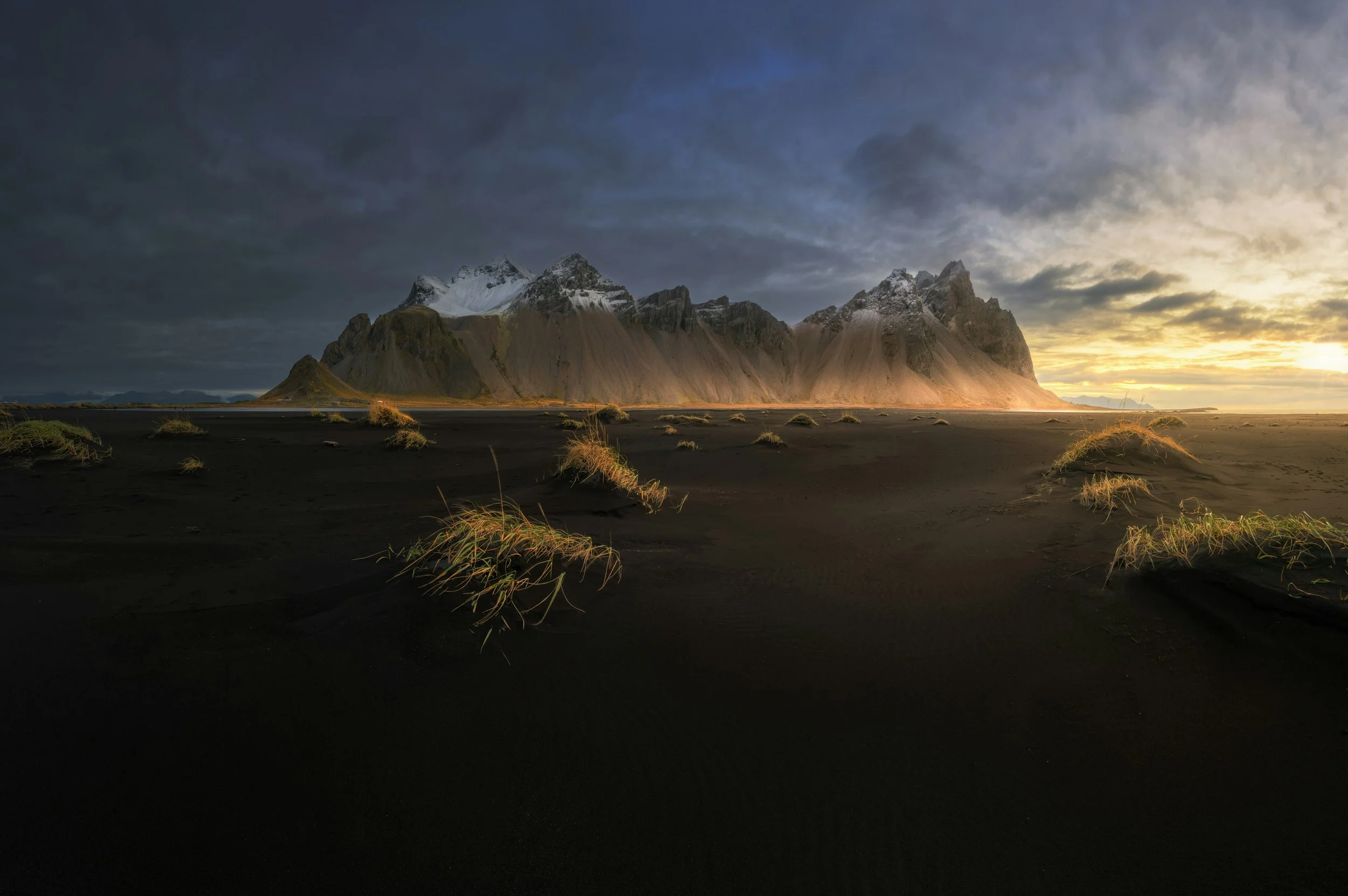
Waterfalls, glaciers, volcanic landscapes, and road-trip days through scenery that rarely feels ordinary.
Photo: Marco Gross / Unsplash
Affiliate DisclosureSome links in this guide are affiliate links. If you book or make a purchase through these links, Roametry may earn a commission at no additional cost to you. Our destination research and recommendations are developed independently, with traveler fit guiding our recommendations rather than affiliate partnerships.WHY THIS DESTINATION FITS
Iceland is especially well suited to travelers who value dramatic natural scenery, road trips, photography, geothermal experiences, and active days outdoors. Its biggest strength is the sheer concentration of geological contrast: waterfalls, glaciers, black-sand beaches, lava fields, hot springs, volcanic terrain, and rugged coastline can all appear within the same trip. Visit Iceland describes South Iceland in particular as a place where geothermal heat and glacial cold meet, with waterfalls, glaciers, beaches, and active geothermal areas packed into a relatively accessible region.
The destination works especially well for travelers who enjoy moving through landscapes rather than staying in one resort or city. Reykjavík can anchor the beginning or end of a trip, but much of Iceland’s appeal comes from self-driving the Golden Circle, South Coast, Snæfellsnes, or the Ring Road and letting the scenery shape the itinerary. Visit Iceland specifically frames the Ring Road as a route where landscapes change constantly and where flexibility is part of the experience.
Travelers looking primarily for warm weather, nightlife, resort-style relaxation, or a highly predictable itinerary may find Iceland a less natural fit. Weather and road conditions can change quickly, and the destination rewards travelers who are comfortable adjusting plans when wind, snow, rain, or seasonal access make another route or activity the better choice.
Roametry fit: Dramatic scenery • Road trips • Waterfalls • Glaciers • Geothermal experiences • Photography • Active travel
AT A GLANCE
Best for — Dramatic scenery • Road trips • Waterfalls • Glaciers • Hot springs • Photography • Hiking
Ideal trip length — 7-10 days
That’s enough time for Reykjavík, the Golden Circle, South Coast, and either Snæfellsnes or a longer stretch of the Ring Road without making every day feel like a transfer.
Best seasons — June–August for maximum access; September for fewer crowds and darker skies
Summer brings the longest daylight, the mildest weather, and the widest road and hiking access. Visit Iceland notes that June through August is the true summer season, with remote regions such as the Highlands opening during this period. September can be a strong shoulder-season choice, with fewer visitors and the return of darker nights that improve Northern Lights chances.
Northern Lights season and peak road-trip season do not fully overlap: summer offers the easiest driving and longest daylight, while darker months create better aurora opportunities.
Travel pace — Balanced to Active
Iceland works best for travelers who are comfortable mixing scenic drives with hikes, waterfalls, geothermal stops, and longer outdoor days.
Budget feel — $$$ / $$$$ - Premium to High-End
Flights may be reasonable from parts of the U.S. and Europe, but rental cars, fuel, lodging, tours, restaurant meals, and peak-summer demand can push the overall trip cost up quickly. Visit Iceland specifically notes that summer is the busiest and most expensive season.
Getting around — Rental car strongly recommended
Iceland is fundamentally a road-trip destination. A standard 2WD car is usually sufficient for most major paved routes in summer, while the Highlands and F-roads require a suitable 4WD vehicle. Weather and road conditions should be checked daily even in summer.
WHAT DEFINES THIS DESTINATION
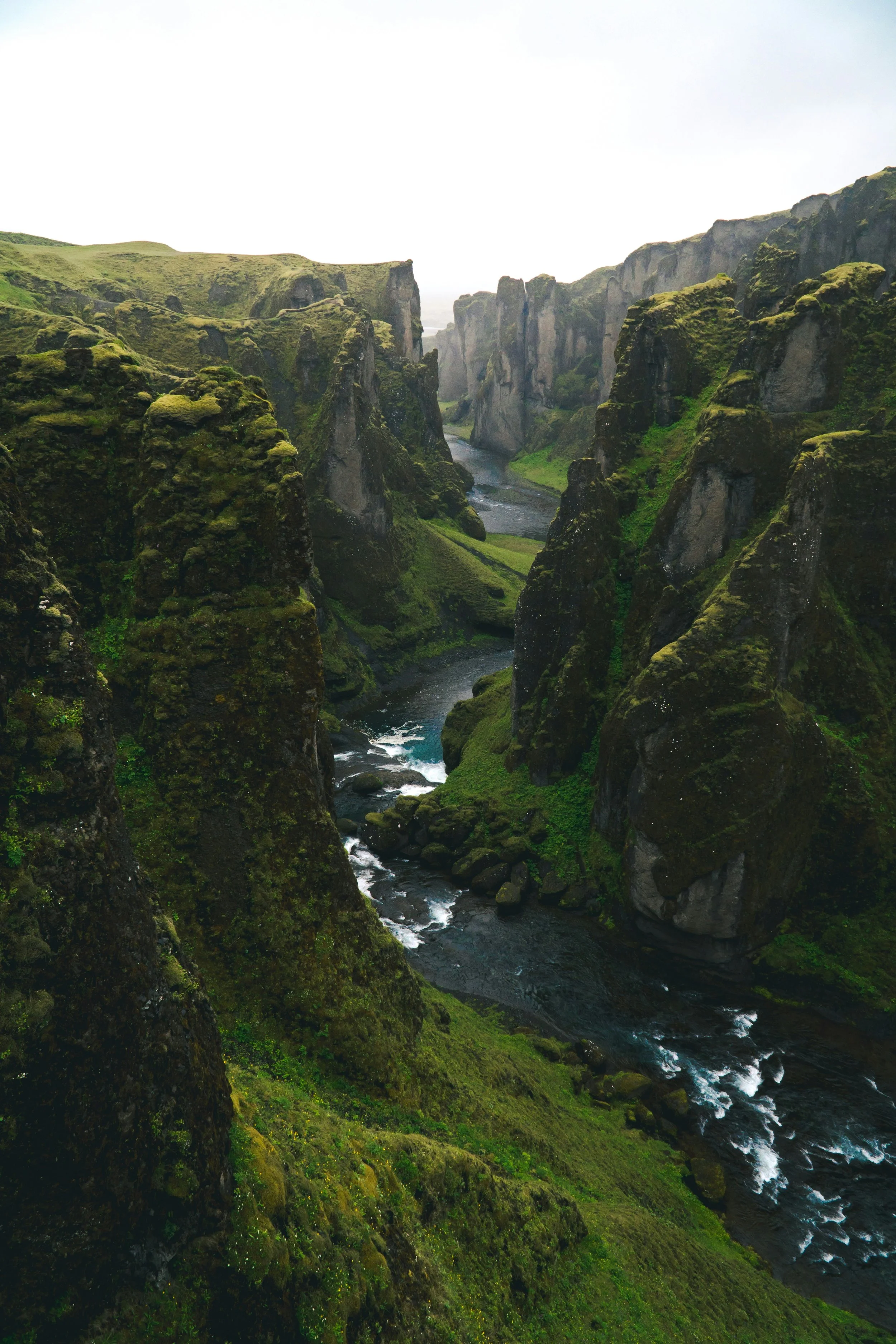
Photo: Jonatan Pie / Unsplash
Landscape & Setting
Iceland is defined by geological contrast: volcanoes, glaciers, waterfalls, lava fields, geothermal areas, black-sand beaches, mountains, and rugged coastline all coexist within a relatively compact island. The scenery changes quickly, especially on road trips, which is a major part of why the destination feels so distinctive.
Culture & Atmosphere
Iceland’s culture is shaped by both isolation and creativity. Ancient sagas, literature, music, design, geothermal swimming culture, and a strong contemporary arts scene sit alongside a deep connection to the landscape. Visit Iceland highlights the country’s creative traditions as extending from the sagas to modern film, music, literature, and design.
Food & Local Life
The food scene centers on seafood, lamb, skyr, rye bread, local dairy, and increasingly modern Nordic cooking built around seasonal ingredients. Reykjavík has the broadest dining scene, but smaller towns and rural stops can add farm food, bakeries, cafés, and locally produced specialties to a road trip.
Adventure & Activities
Iceland is built for active exploration. Hiking, glacier excursions, geothermal bathing, whale watching, waterfalls, volcanic landscapes, caves, and scenic driving are all major parts of the experience. Hiking ranges from short scenic walks to remote multi-day routes, with Visit Iceland specifically noting trails through lava fields, mountains, valleys, coastline, hot springs, glaciers, and volcanic terrain.
WHERE TO STAY
Reykjavík
Best for: first and last nights, dining, museums, geothermal pools, nightlife, and easy day trips.
Reykjavík is the most practical urban base and works especially well at the beginning or end of a trip. It also gives travelers flexibility for the Golden Circle, Reykjanes Peninsula, and guided excursions without committing to a full self-drive itinerary.
Selfoss & Hveragerði
Best for: Golden Circle access, geothermal landscapes, and an easy transition from Reykjavík into South Iceland.
These towns are useful for travelers who want to slow down the Golden Circle rather than treating it as a rushed day trip. Visit Iceland specifically identifies Selfoss and Hveragerði as strong bases for the Golden Circle and southwest portion of South Iceland.
Vík
Best for: South Coast waterfalls, black-sand beaches, scenic drives, and splitting up the journey east.
Vík is one of the most useful overnight stops on the South Coast because it sits close to Reynisfjara, Dyrhólaey, Skógafoss, and other major sights while breaking up the drive toward Skaftafell and Jökulsárlón. Visit Iceland specifically recommends Vík as a practical base along this stretch of Route 1.
Höfn / Southeast Iceland
Best for: Jökulsárlón, glacier scenery, Vatnajökull, and travelers continuing around the Ring Road.
Höfn works well for travelers who want more time around glacier lagoons and Southeast Iceland rather than turning that part of the trip into one extremely long driving day. It also serves as a natural transition between South and East Iceland.
Akureyri or Lake Mývatn
Best for: Ring Road itineraries, geothermal landscapes, waterfalls, whale watching, and North Iceland.
Akureyri offers the widest range of lodging, dining, and services in the north, while staying near Mývatn puts travelers closer to geothermal areas, Dettifoss, Goðafoss, and the Diamond Circle. Visit Iceland identifies both as strong bases, depending on whether convenience or proximity to natural sights matters more.
Snæfellsnes Peninsula
Best for: shorter Iceland trips, coastal scenery, volcanoes, fishing villages, and travelers who want a “mini-Iceland” experience.
West Iceland offers fjords, lava fields, waterfalls, hot springs, glaciers, and the Snæfellsnes Peninsula within relatively easy reach of Reykjavík, making it a strong addition to a 7–10 day itinerary without committing to the entire Ring Road.
Recommended Stays
Curated Iceland hotels, guesthouses, farm stays, cabins, and distinctive accommodations coming soon.
WHAT TO DO
Signature Experience - ROAD-TRIP ICELAND’S VOLCANIC LANDSCAPES
Whether you drive the full Ring Road or combine the Golden Circle with the South Coast and another region, Iceland is best experienced as a sequence of changing landscapes rather than a collection of isolated attractions. The Ring Road stretches about 1,322 km (821 miles) around the country and connects waterfalls, glaciers, lava fields, fjords, geothermal areas, and coastal towns along the way. Visit Iceland recommends at least seven days for the full loop.
WATERFALLS, COAST & VOLCANIC SCENERY
Visit Gullfoss on the Golden Circle
Walk behind Seljalandsfoss
Stop at Skógafoss
Explore Reynisfjara and other black-sand beaches
See Jökulsárlón Glacier Lagoon and Diamond Beach
Drive through lava fields and volcanic landscapes
The South Coast is one of Iceland’s most concentrated sightseeing regions, combining waterfalls, glaciers, black-sand beaches, and access to some of the country’s best-known hiking areas.
GLACIERS, GEOTHERMAL AREAS & HOT WATER
Take a guided glacier hike
Visit Geysir and watch Strokkur erupt
Soak in a geothermal lagoon or local swimming pool
Explore the geothermal landscapes around Lake Mývatn
Visit Þingvellir National Park
Consider an ice-cave excursion when season and conditions allow
The Golden Circle combines Þingvellir, Gullfoss, and the Geysir geothermal area within an easy loop from Reykjavík, while North Iceland adds geothermal landscapes around Mývatn and other volcanic features.
HIKING, WILDLIFE & SLOWER EXPERIENCES
Hike along waterfalls, lava fields, or coastal trails
Go whale watching from Húsavík or another coastal town
Spend time in Reykjavík between road-trip days
Explore smaller fishing villages
Photograph sunrise, sunset, or shifting weather
Leave room for roadside stops that were never on the original itinerary
The Diamond Circle in North Iceland combines waterfalls, geothermal areas, hiking, and whale watching, while Iceland’s broader road network makes smaller towns and unexpected scenic stops part of the travel experience.
Roametry Note:
Roametry recommends leaving a little breathing room in your itinerary. Iceland has a way of surprising you with unexpected viewpoints, changing weather, and places you’ll want to stop longer than planned—so a bit of flexibility can make the trip even better.
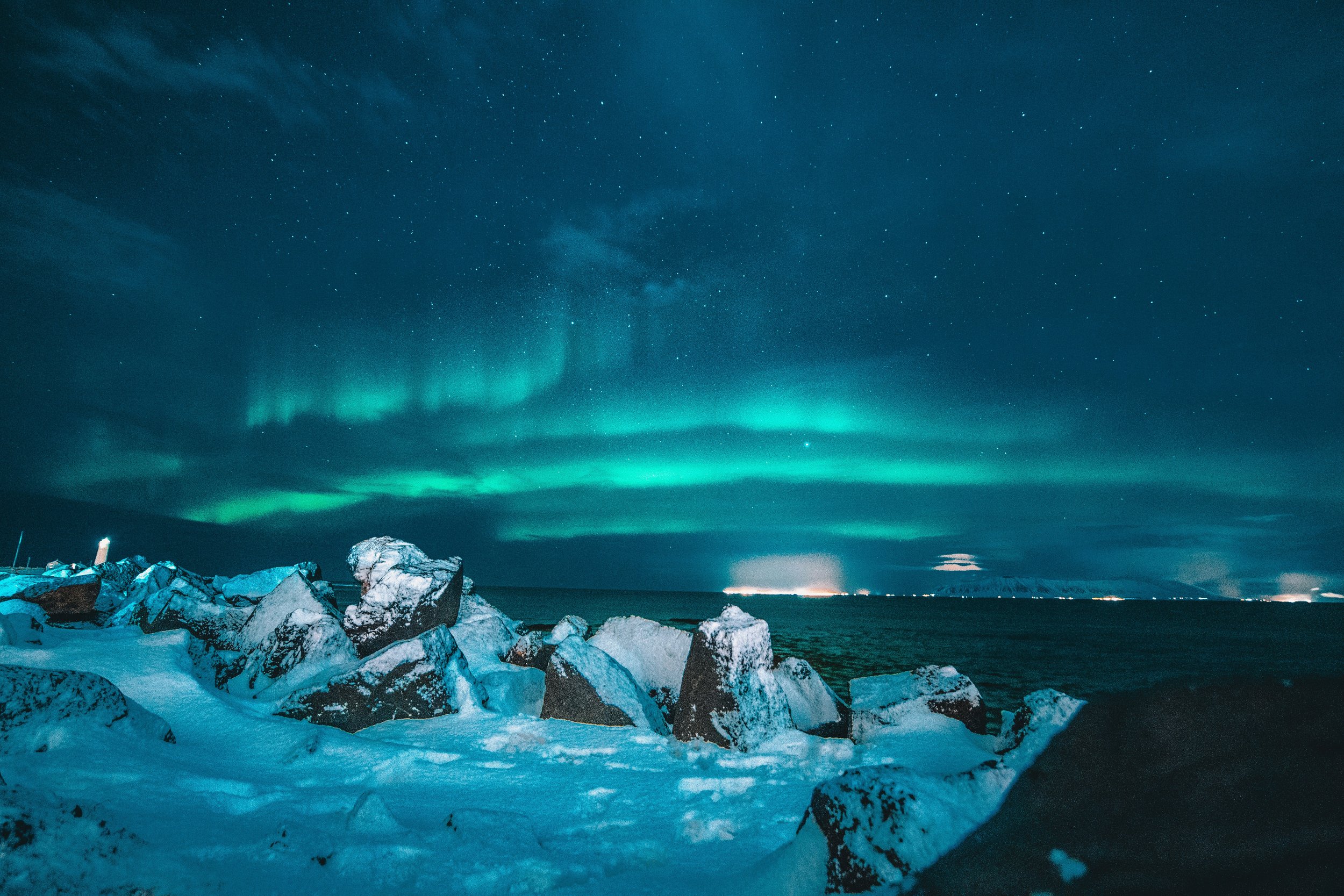
Photo: Nicolas Leclerq / Unsplash
Explore Iceland Experiences
Discover glacier hikes, geothermal experiences, whale-watching trips, guided sightseeing, and other bookable activities that can add something memorable to your Iceland itinerary.
Affiliate disclosure: Roametry may earn a commission from qualifying bookings made through the link below, at no additional cost to you.
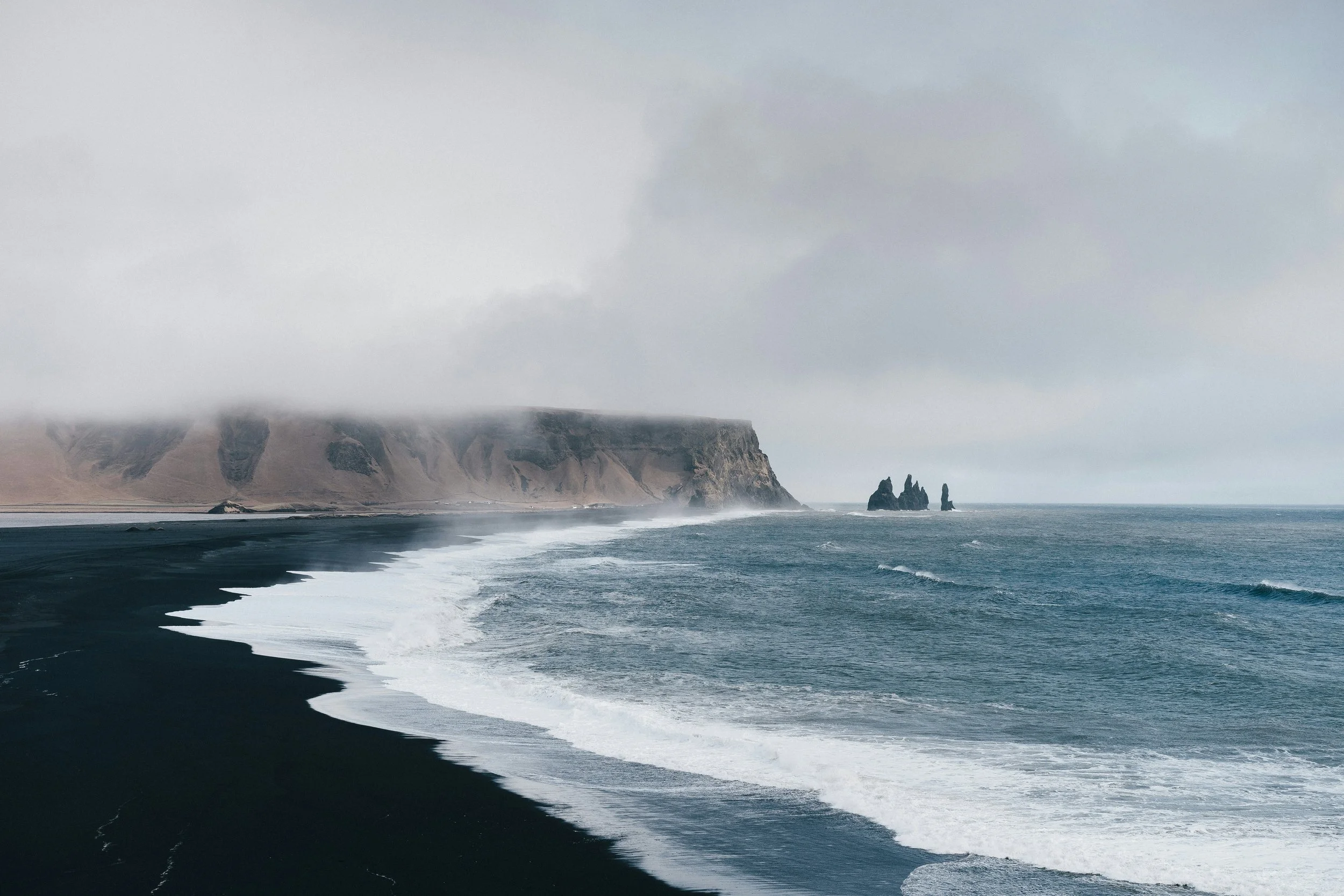
Photo: Adam Jang / Unsplash
FOOD & DRINK
Iceland’s food scene is closely tied to the country’s geography and climate. Seafood, lamb, skyr, rye bread, and locally grown greenhouse produce remain important staples, while Reykjavík has developed a modern dining scene that blends traditional ingredients with contemporary Nordic cooking. Visit Iceland specifically highlights fresh North Atlantic seafood, free-range lamb, geothermal greenhouse produce, and skyr as defining ingredients.
Don’t Miss
Fresh fish and seafood, including cod, Arctic char, salmon, mussels, and langoustine
Icelandic lamb
Skyr
Rúgbrauð, the dense, slightly sweet Icelandic rye bread
Plokkfiskur, a traditional fish-and-potato dish
Kleinur, Icelandic twisted doughnuts
Icelandic hot dogs
Geothermally baked bread, where available
Traditional Icelandic rye bread is sometimes baked slowly using geothermal heat, while other local specialties range from dried fish to lamb soup and pastries.
Where to Focus
Reykjavík offers the greatest variety, from bakeries and casual cafés to seafood restaurants and contemporary Nordic dining. It’s the best place to explore Icelandic ingredients in both traditional and modern forms. Visit Iceland
South Iceland and the Golden Circle add farm-to-table experiences, geothermal greenhouses, and locally produced ingredients. Some farms and restaurants use geothermal energy not only to heat greenhouses but even to bake bread underground. Visit Iceland
Smaller coastal towns are often excellent places for seafood. On a road trip, some of the most satisfying meals may come from simple harbor restaurants, cafés, bakeries, and guesthouses rather than elaborate destination dining.
Good to Know
Restaurant meals in Iceland can be expensive, particularly in Reykjavík and heavily visited areas. Roametry recommends mixing restaurant meals with bakeries, cafés, grocery stops, and simpler lunches, especially on a longer road trip.
And don’t feel obligated to seek out Iceland’s most unusual traditional foods simply because they appear on travel lists. Many of the foods Icelanders regularly enjoy today—fresh seafood, lamb, rye bread, skyr, pastries, and modern Nordic dishes—offer a much more representative introduction to the country’s food culture.
ROAMETY FAMILY FAVORITES
When our family has personally visited a destination, this is where we share the places and experiences we genuinely loved.
Planning Notes
Best Time To Go
For most first-time road trips, June–August offers the easiest combination of long daylight, milder weather, and broad access. September can be a strong shoulder-season option for fewer crowds and the return of darker nights. Northern Lights season generally runs from September through April, while summer is better for driving and hiking access.
How Long To Stay
Roametry recommends 7–10 days for Reykjavík, the Golden Circle, South Coast, and one additional region. For the full Ring Road, 10–14 days creates a much more comfortable pace than trying to force the loop into a week.
Getting There
Most international visitors arrive through Keflavík International Airport (KEF), about 50 km (31 miles) from Reykjavík. If your trip is primarily a road trip, picking up a rental car near the airport can make the first and last days easier.
Getting Around
A rental car is the most flexible way to explore Iceland. The Ring Road is paved and open year-round, though winter weather can cause temporary closures. Standard cars are suitable for most major routes in summer, but F-roads into the Highlands require an appropriate 4WD vehicle.
Book Ahead
Roametry recommends reserving summer lodging, rental cars, glacier tours, popular geothermal lagoons, and priority activities well before arrival. Visit Iceland notes that summer is the busiest season and that cars, accommodations, and tours can sell out months ahead.
Know Before You Go
Icelandic weather and road conditions can change quickly, even in summer. Check SafeTravel, road.is, and the Icelandic weather forecast before longer drives or hikes. Off-road driving is illegal, and fragile moss and vegetation can take decades to recover from damage.
ROAMETRY PLANNING TIP
Leave a little extra space in every driving day. Iceland has a habit of turning a simple route into a string of unexpected viewpoints, waterfalls, roadside stops, and places you want to linger. A flexible schedule makes those moments much easier to enjoy.
Find Your Stay
Where you stay can shape your travel experience. Whether you prefer the convenience of a hotel or resort or the flexibility of a private vacation rental, explore accommodations that suit your travel style, priorities, and budget.
Affiliate disclosure: Roametry may earn a commission from qualifying bookings made through these links, at no additional cost to you.THE ROAMETRY TAKEAWAY
Iceland is a strong fit for travelers who want dramatic scenery, active days, and a trip where the journey is part of the experience. Waterfalls, glaciers, geothermal landscapes, black-sand beaches, volcanic terrain, and long stretches of open road create a destination that feels constantly changing.
Travelers who enjoy road trips, photography, hiking, geothermal experiences, unusual landscapes, and flexible itineraries are likely to get the most from Iceland. Those prioritizing warm weather, resort-style relaxation, nightlife, or a highly predictable schedule may find another destination a more natural match.
BEST MATCH FOR
Dramatic scenery • Road trips • Waterfalls • Glaciers • Geothermal experiences • Photography • Active travel
SOURCES & FURTHER READING
Roametry destination guides are independently written using research from official tourism, government, park, cultural, transportation, and destination resources. Conditions, schedules, access, and regulations can change; travelers should verify current information directly with the appropriate source before departure.
Visit Iceland — Iceland’s Ring Road
Official guidance for Route 1, including its 1,322 km (820 mile) route, regional highlights, driving considerations, and suggested trip length.
Explore Iceland’s Ring Road
Visit Iceland — Driving in Iceland
Official information on paved roads, gravel roads, F-roads, 4WD requirements, off-road driving restrictions, and checking weather and road conditions.
View Iceland driving guidance
Visit Iceland — Iceland in Summer
Seasonal guidance covering summer daylight, road access, Highland travel, booking considerations, weather preparation, and peak-season conditions.
Explore summer travel in Iceland
Visit Iceland — South Iceland
Official regional information covering the Golden Circle, South Coast, Vatnajökull, Vík, Höfn, geothermal areas, glaciers, waterfalls, and seasonal Highland access.
Explore South Iceland
Visit Iceland — The Golden Circle
Official information on Þingvellir, Gullfoss, the Geysir geothermal area, route planning, and travel distances around Iceland’s best-known sightseeing loop.
Explore the Golden Circle
Visit Iceland — North Iceland
Regional guidance covering Akureyri, Lake Mývatn, Húsavík, the Diamond Circle, geothermal areas, whale watching, seasonal road access, and northern travel conditions.
Explore North Iceland
Visit Iceland — Reykjavík
Official information on Iceland’s capital, including its food, arts, culture, geothermal swimming traditions, and role as a gateway for the rest of the country.
Explore Reykjavík
Visit Iceland — Icelandic Food & Culinary Culture
Official background on Icelandic seafood, lamb, skyr, geothermal greenhouse produce, traditional foods, and contemporary Nordic cooking.
Explore Icelandic food culture
SafeTravel Iceland — Official Travel Safety Information
ICE-SAR’s official traveler-safety resource for current alerts, travel conditions, outdoor safety, driving guidance, emergency information, and trip planning.
Check SafeTravel Iceland
Icelandic Road and Coastal Administration — Road Conditions
Official information for road closures, surface conditions, mountain roads, and current driving conditions across Iceland.
Check current Iceland road conditions
Icelandic Meteorological Office — Weather & Warnings
Official forecasts, weather warnings, wind information, and current conditions throughout Iceland.
Check Iceland’s official weather forecast
Last researched and reviewed: October 2026
Our Research Approach
At Roametry, we believe the best destinations aren't necessarily the most popular—they're the ones that fit the traveler.
Our destination guides are informed by a growing research catalog that examines travel experiences, cultural characteristics, seasonal considerations, accessibility, and practical travel factors. We draw on reputable published sources and destination-specific research to create thoughtful, informative guides that help travelers explore places with greater confidence.
Each guide is reviewed for accuracy and relevance before publication. Because travel conditions, availability, and local information can change, we encourage travelers to verify important details before making arrangements.