
ROAMETRY DESTINATION GUIDE
MAUI, HAWAI’I
Volcanic landscapes, warm-water adventure, and an easy rhythm between exploration and restoration.
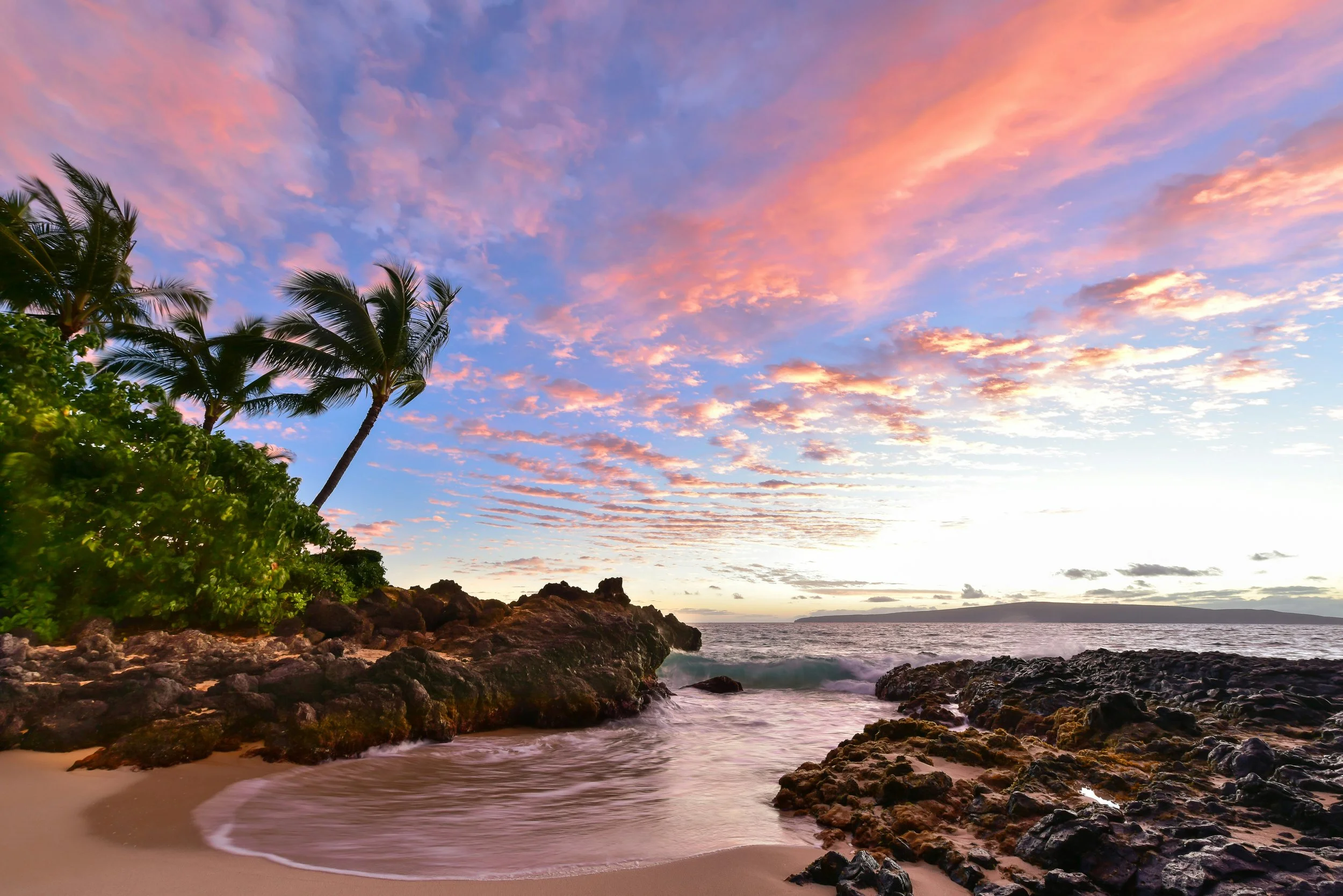
Photo: Zetong Li / Unsplash
Affiliate DisclosureSome links in this guide are affiliate links. If you book or make a purchase through these links, Roametry may earn a commission at no additional cost to you. Our destination research and recommendations are developed independently, with traveler fit guiding our recommendations rather than affiliate partnerships.WHY THIS DESTINATION FITS
Maui is especially well suited to travelers who value scenic variety, outdoor experiences, and a balance between activity and downtime. Its strongest appeal comes from the way very different experiences sit close together: beaches, volcanic landscapes, rainforest drives, snorkeling, resort areas, Upcountry farms, and small towns can all fit within one trip. Official Maui tourism materials similarly emphasize the island’s contrast between beaches, rainforests, Haleakalā, Hāna, Upcountry, and resort areas.
Travelers looking primarily for low-cost travel, dense urban culture, or a highly walkable city-style vacation may find Maui a less natural fit, since many of its standout experiences are spread around the island and are easiest to reach by car.
Roametry fit: Scenic variety • Outdoor activity • Beaches • Food • Relaxed-to-balanced pace
AT A GLANCE
Best for — Beaches • Scenic variety • Outdoor adventure • Food • Relaxation
Ideal trip length — 5–8 days
Best seasons — Spring and fall, especially April–May and September–October. Hawaiʻi’s official tourism site specifically highlights those months for Maui. Warm year-round, but conditions vary significantly by region and elevation.
Travel pace — Balanced; easy to mix active sightseeing days with slower beach or resort days.
Budget feel — $$$$ • Premium
Getting around — Rental car recommended. Maui has buses, shuttles, taxis and tours, but the official tourism guidance says a car is the best way to fully explore the island, especially places like Hāna, Haleakalā and Upcountry.
WHAT DEFINES THIS DESTINATION
Landscape & Setting
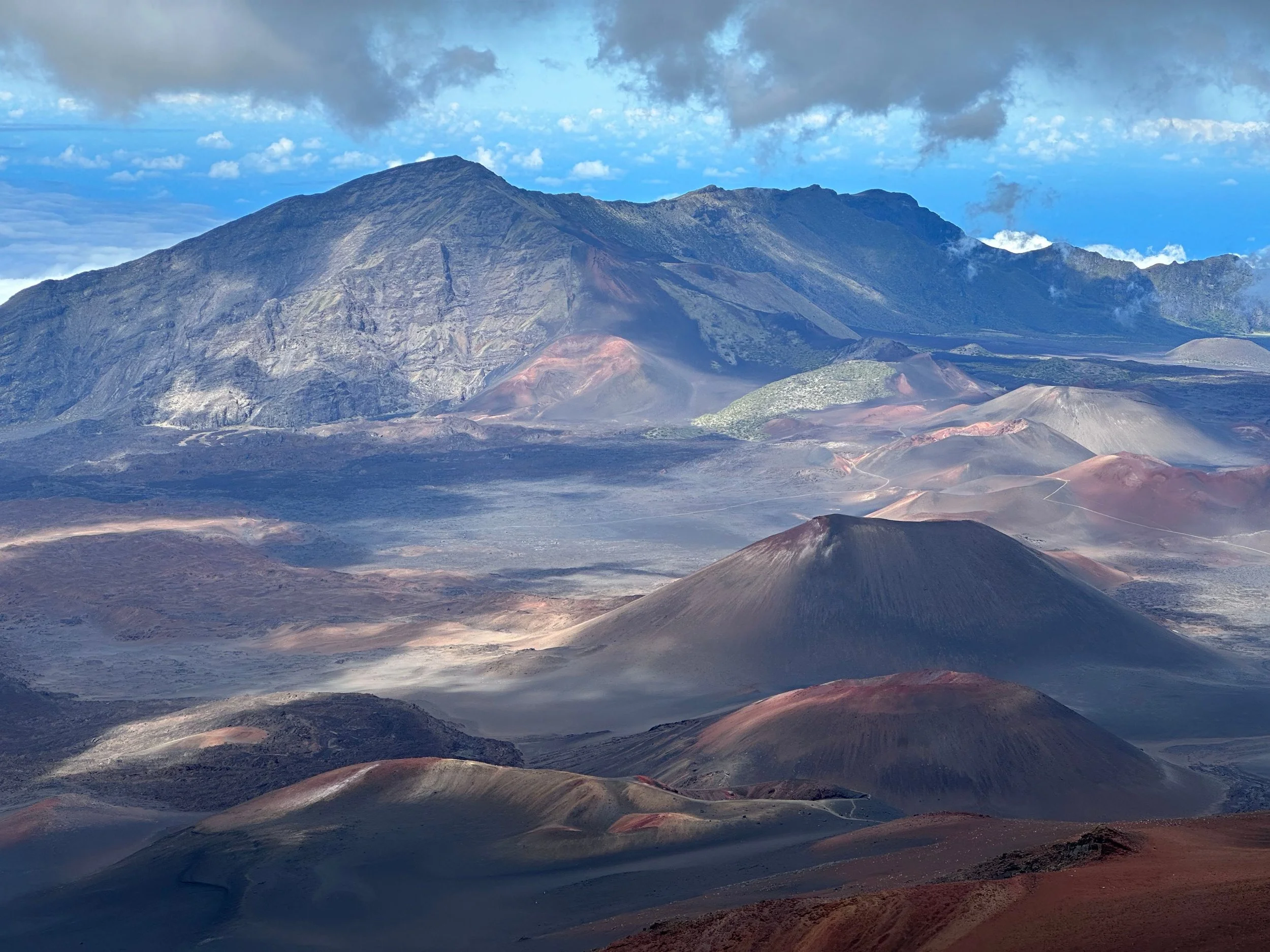
Maui compresses an unusually wide range of landscapes into one island: dry, sunny resort coasts; lush rainforest and waterfalls in East Maui; rolling agricultural country on the slopes of Haleakalā; and the stark volcanic terrain near the summit. The island is divided into five distinct regions, each with a noticeably different character.
Culture & Atmosphere
Maui’s identity is shaped by Native Hawaiian culture alongside generations of local influences from plantation-era immigration and agriculture. Visitors will encounter that history through place names, food, music, hula, historic sites, farming communities, and the continuing emphasis on caring for the ʻāina, or land.
Food & Local Life
Food is one of Maui’s stronger supporting attractions. Upcountry farms produce everything from tropical fruit and greens to coffee, while farmers markets, roadside stands, local eateries, and higher-end Hawaiʻi Regional Cuisine give travelers a broad range of options.
Adventure & Activities
Maui makes it easy to move between active and relaxed days. Snorkeling, swimming, paddleboarding, hiking, horseback riding, scenic drives, Haleakalā, and the Hāna Highway are all major parts of the experience, while the beaches and resort areas make it just as easy to slow down.
WHERE TO STAY
South Maui — Kīhei & Wailea
Best for: beaches, sunshine, dining, convenience, couples and families.
South Maui is the island’s driest, sunniest major resort zone. Kīhei is more casual and has a wider range of condos, smaller hotels, restaurants and beaches, while Wailea is more polished and resort-oriented with higher-end hotels, golf and dining.
West Maui — Kāʻanapali & Kapalua
Best for: classic resort stays, sunsets, golf and easy beach access.
Kāʻanapali is one of Maui’s best-known resort areas, with hotels and condominium villages lining a long beach, plus dining and shopping nearby. Kapalua feels quieter and more upscale, with bays, beaches, golf and luxury resorts.
Lahaina continues to rebuild following the 2023 wildfires; visitors are welcome to support reopened local businesses while approaching the community with sensitivity, respecting posted restrictions, and avoiding photography of fire-impacted areas.
Upcountry — Kula & Makawao
Best for: cooler temperatures, local character, farms and a less resort-focused stay.
Upcountry sits on the higher slopes around Haleakalā and feels very different from the coast. Kula and Makawao offer farms, ranching history, local food and easier access to Haleakalā, but this is not the choice for travelers who want to walk directly onto a beach every morning.
East Maui — Hāna
Best for: seclusion, rainforest scenery, slower travel and travelers who want to linger rather than rush the Road to Hāna.
Hāna is remote, quiet and dramatically different from the main resort areas. Staying overnight lets travelers experience East Maui without trying to squeeze the entire drive into one long day, though the journey itself is winding and slow.
Recommended Stays
Curated hotel, resort and vacation-rental recommendations coming soon.
WHAT TO DO
Signature Experience
Rising above Maui, Haleakalā offers one of the island’s most distinctive landscapes: high-elevation volcanic terrain, sweeping summit views, endemic plants, and hiking trails that feel completely removed from the tropical coast below. Sunrise is especially popular, but it requires an advance vehicle reservation for entry between 3:00 and 7:00 a.m.; sunset does not currently require that separate sunrise reservation.
OUTDOORS & ADVENTURE
Snorkeling and swimming
Haleakalā summit and crater hiking
Pīpīwai Trail and Waimoku Falls
Surfing, paddleboarding and other ocean activities
Hiking through Maui’s varied coastal, forest and volcanic landscapes
The Pīpīwai Trail in the Kīpahulu section of Haleakalā National Park leads through lush East Maui scenery toward Waimoku Falls, while the summit district offers trails through the volcanic landscape.
CULTURE & LOCAL LIFE
Explore Upcountry farms and small towns
Visit local markets and roadside farm stands
Learn about Native Hawaiian history and culture
Spend time in Makawao and other local communities
Support reopened Lahaina and West Maui businesses respectfully
RELAXED & EASYGOING
Drive the Road to Hāna
Spend a slow day on South or West Maui beaches
Take a sunset drive or viewpoint stop
Explore botanical gardens and fruit stands along East Maui
Build in a resort, pool or spa day between bigger excursions
The Road to Hāna is as much about the journey as the town itself, with rainforest scenery, waterfalls, gardens, food stands and coastal views along the route. Official guidance also emphasizes using designated parking and avoiding private property or unmarked access points.
Explore Maui Experiences
Discover guided adventures, cultural experiences, and excursions that complement your time on the island.
Affiliate disclosure: Roametry may earn a commission from qualifying bookings made through the link below, at no additional cost to you.
FOOD & DRINK
Maui’s food scene works especially well because it spans casual local staples, roadside stands, farm-driven cooking, and polished resort dining. Upcountry farms and ranches feed directly into the island’s farm-to-table identity, while places like Kīhei, Wailea, Wailuku, Pāʻia, Kāʻanapali and Kapalua give travelers a wide range of dining styles
ROAMETY FAMILY FAVORITES
When our family has personally visited a destination, this is where we share the places and experiences we genuinely loved.
Don’t Miss
Fresh poke and other seafood dishes
Plate lunch and other local comfort foods
Shave ice
Banana bread, especially along the Hāna route
Maui-grown produce, lilikoʻi and Maui onions
Hawaiʻi Regional Cuisine built around local ingredients
Where to Focus
South and West Maui are easiest for resort dining and dinner reservations, while Wailuku and Pāʻia offer more casual local options. Upcountry is where Maui’s agricultural side is most visible, with farms, markets and producers around Kula and Makawao. Farmers markets and roadside stands are also an important part of the food experience across the island.
Good to Know
For popular restaurants, especially in Wailea, Kāʻanapali and Kapalua, Roametry recommends booking ahead during busy travel periods. Leave room in the itinerary for informal stops too—farm stands, bakeries, markets and small local eateries are part of what makes eating on Maui feel different from simply dining at a resort.
Planning Notes
Best Time To Go
Maui is a year-round destination, but conditions can vary considerably across the island. The leeward resort areas are generally drier and warmer, while East Maui is wetter, Upcountry is cooler, and the summit of Haleakalā can be genuinely cold. Roametry recommends packing for more than one climate if your itinerary takes you beyond the beach.
How Long To Stay
5–8 days gives most travelers enough time to experience several sides of Maui without turning the trip into a checklist. A week allows room for Haleakalā, East Maui, Upcountry, beach time and at least one deliberately unscheduled day.
Getting There
Most visitors arrive through Kahului Airport (OGG), Maui’s main airport. Smaller airports serve Kapalua and Hāna, and Maui can also be reached via a short inter-island flight from Honolulu.
Getting Around
A rental car is the most practical choice for travelers who want to explore beyond their immediate resort area. Maui does have buses, shuttles, taxis and tours, but a car gives much more flexibility for Haleakalā, Upcountry, East Maui and beaches around the island. Roametry recommends reserving one in advance.
Book Ahead
Reserve high-priority lodging, rental cars, popular restaurants and major activities before arrival, particularly during busy travel periods. Haleakalā sunrise requires a separate advance vehicle reservation for entry between 3:00 and 7:00 a.m. Reservations are released up to 60 days ahead, with another portion released two days in advance. Sunset currently does not require that sunrise reservation, although the park warns that sunset congestion can result in temporary entry restrictions when capacity is reached.
Know Before You Go
Distances on Maui can be deceptive: a drive that looks short on a map may involve winding roads, one-lane bridges or significant elevation change. Build extra time into driving days, use designated parking, respect private property and local communities, and resist the temptation to pack too many parts of the island into a single day. Official visitor guidance also asks drivers to slow down, allow local traffic to pass and yield appropriately on Hāna Highway’s one-lane bridges.
ROAMETRY PLANNING TIP
Don’t plan Maui entirely around a list of attractions. Its biggest strength is the ability to move between very different experiences—volcanic landscapes, rainforest, Upcountry, beaches and food—while still leaving room to slow down. Roametry recommends protecting at least one lightly planned day rather than scheduling every morning and afternoon.
Find Your Stay
Where you stay can shape your travel experience. Whether you prefer the convenience of a hotel or resort or the flexibility of a private vacation rental, explore accommodations that suit your travel style, priorities, and budget.
Affiliate disclosure: Roametry may earn a commission from qualifying bookings made through these links, at no additional cost to you.THE ROAMETRY TAKEAWAY
Maui is a strong fit for travelers who want variety without sacrificing ease. Its appeal comes from the ability to combine beaches, volcanic landscapes, rainforest, food, outdoor activity and resort-level relaxation within one trip.
Travelers who enjoy a balanced pace, scenic drives, time outdoors and room to slow down are likely to get the most from the island. Those prioritizing a highly walkable city experience or a lower-cost trip may find other destinations a more natural match.
BEST MATCH FOR
Scenic variety • Outdoor activity • Beaches • Food • Relaxed-to-balanced travel
SOURCES & FURTHER READING
Roametry destination guides are independently written using research from official tourism, government, park, cultural, and transportation sources. Conditions, schedules, access, and regulations can change; travelers should verify current information directly with the appropriate source before departure.
GoHawaii — Maui
Official Hawaiʻi tourism information covering Maui’s regions, attractions, travel planning, accommodations, activities, and visitor guidance. Visit GoHawaii’s Maui guide
GoHawaii — Maui Regions
Overview of Maui’s five distinct regions, including South Maui, West Maui, Upcountry, Central Maui, and East Maui, with information about each area’s landscapes and character. Explore Maui’s regions
GoHawaii — Maui Travel Information & Transportation
Official guidance on arriving in Maui, getting around the island, rental cars, airport access, driving considerations, and general trip planning. View Maui travel information
GoHawaii — Maui Weather
Information on Maui’s microclimates, including differences between the leeward coast, East Maui, Upcountry, and Haleakalā. View Maui weather guidance
GoHawaii — Things to Do on Maui
Official destination information covering beaches, water activities, land-based recreation, cultural experiences, and other Maui activities. Explore things to do on Maui
GoHawaii — Maui Farmers Markets
Information on local markets, farm products, roadside food stops, and Maui’s farm-to-table food culture. Explore Maui farmers markets
GoHawaii — Lahaina
Current visitor guidance for Lahaina, including recovery information, respectful visitation, reopened businesses, and community considerations following the 2023 wildfires. View current Lahaina guidance
National Park Service — Haleakalā National Park
Official visitor information for the Summit and Kīpahulu districts, including park access, trails, conditions, safety, permits, and trip planning. Visit Haleakalā National Park
National Park Service — Haleakalā Sunrise Reservations
Official information about sunrise access, advance vehicle reservations, entry times, and reservation procedures. View Haleakalā sunrise information
Last researched and reviewed: October 2026
Our Research Approach
At Roametry, we believe the best destinations aren't necessarily the most popular—they're the ones that fit the traveler.
Our destination guides are informed by a growing research catalog that examines travel experiences, cultural characteristics, seasonal considerations, accessibility, and practical travel factors. We draw on reputable published sources and destination-specific research to create thoughtful, informative guides that help travelers explore places with greater confidence.
Each guide is reviewed for accuracy and relevance before publication. Because travel conditions, availability, and local information can change, we encourage travelers to verify important details before making arrangements.