
ROAMETRY DESTINATION GUIDE
ROME, ITALY
Ancient history, neighborhood life, unforgettable food, and a cityscape where nearly every walk becomes part of the experience.
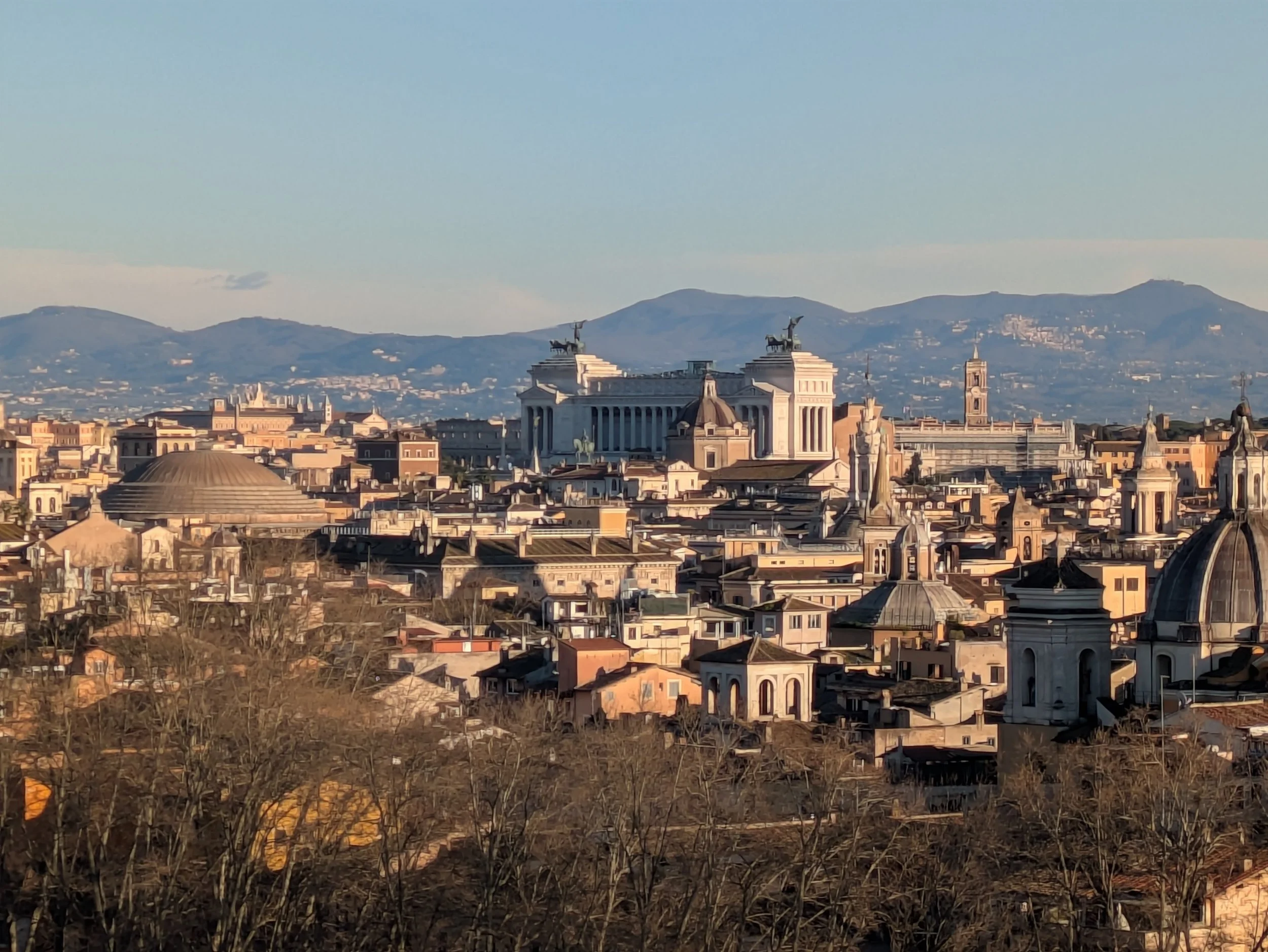
Photo: Rome Skyline / Cheyenne Edwards
Affiliate DisclosureSome links in this guide are affiliate links. If you book or make a purchase through these links, Roametry may earn a commission at no additional cost to you. Our destination research and recommendations are developed independently, with traveler fit guiding our recommendations rather than affiliate partnerships.WHY THIS DESTINATION FITS
Rome is especially well suited to travelers who value history, architecture, food, walkability, and the feeling of constantly discovering something important without needing to leave the city. Its strongest appeal comes from the way ancient ruins, Renaissance and Baroque landmarks, churches, piazzas, cafés, neighborhoods, and everyday city life are layered together rather than separated into isolated attractions. UNESCO describes Rome’s historic center as a uniquely stratified urban landscape spanning nearly three millennia of history.
The city works particularly well for travelers who enjoy active sightseeing days balanced with slower meals, neighborhood wandering, and people-watching. Major sites such as the Colosseum, Roman Forum, Pantheon, Vatican Museums, St. Peter’s Basilica, Trevi Fountain, and Piazza Navona can anchor the itinerary, while much of Rome’s character comes from the streets and neighborhoods in between them.
Travelers looking primarily for quiet, nature, resort-style relaxation, or a low-crowd experience may find Rome a less natural fit. The city can be busy, noisy, hot in summer, and physically demanding, especially for travelers who want to see several major sights in a short period.
Roametry fit: History • Architecture • Food • Walkability • Museums • Neighborhood life • Active city pace
AT A GLANCE
Best for — History • Architecture • Food • Museums • Walkability • Neighborhood life
Ideal trip length — 4-6 days
That’s enough time for the major ancient sites, Vatican City, a few museums or churches, and unstructured neighborhood time without making every day feel overloaded.
Best seasons — April–May and September–October
Rome’s official tourism site recommends spring and autumn for milder temperatures and longer days; July and August are typically the hottest months.
Travel pace — Balanced to Active
Rome rewards travelers who are comfortable walking a lot, but the best trips balance major sightseeing days with long lunches, piazzas, and neighborhood wandering.
Budget feel — $$ / $$$$ — Moderate to Premium
Rome can be done at a moderate cost, but central hotels, major-site tickets, private tours, and popular restaurants can raise the budget quickly.
Getting around — Walking + Public Transit
Many of Rome’s central sights are best connected on foot, while buses, trams, and Metro lines fill the gaps for longer distances. ATAC’s integrated tickets work across Rome’s buses, trams, Metro, and urban rail network.
Comfortable walking shoes matter more here than almost anywhere else on the itinerary.
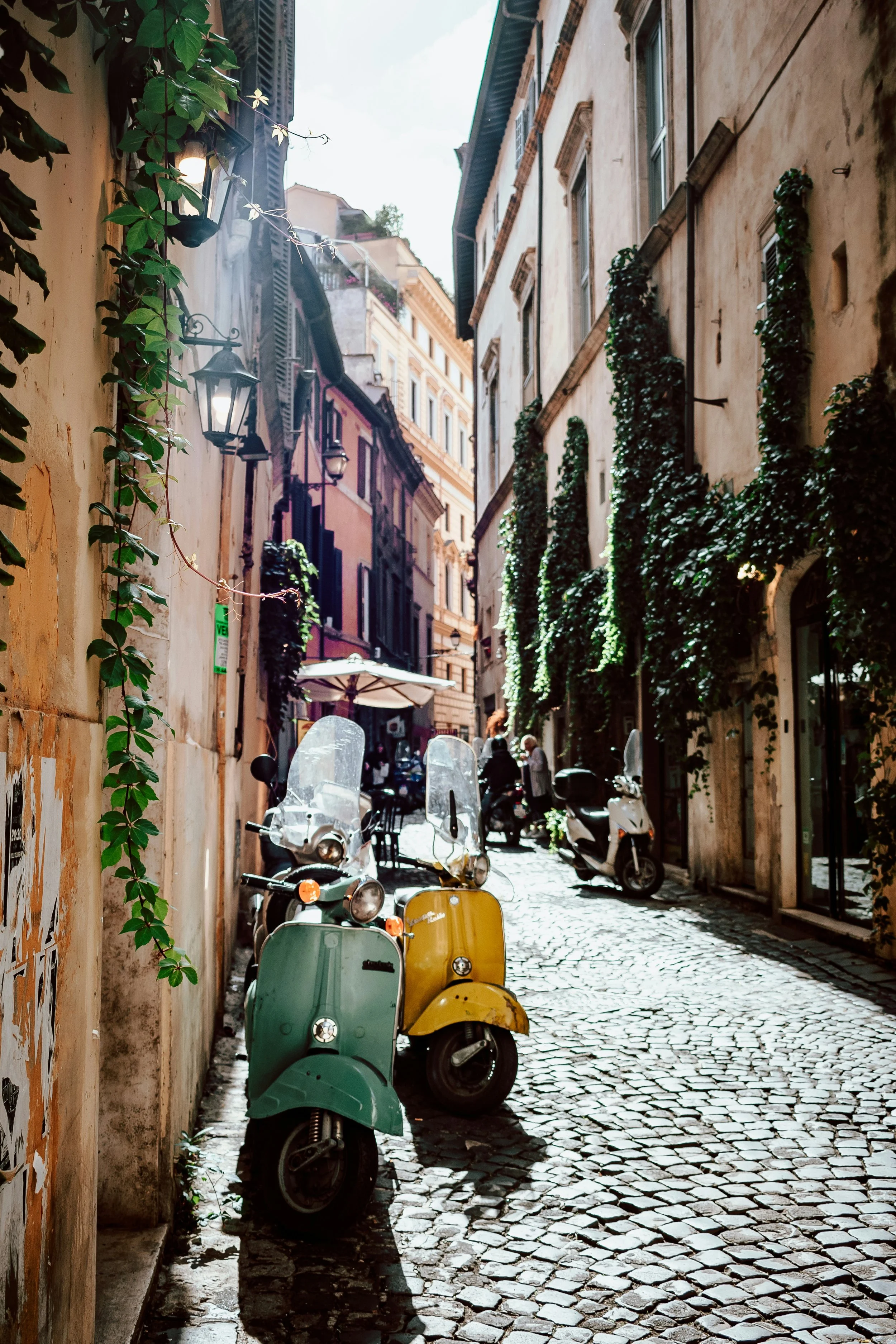
Photo: Andrei Mike / Unsplash
WHAT DEFINES THIS DESTINATION

Landscape & Setting
Rome is defined less by natural scenery than by its urban layers. Ancient ruins, Renaissance palaces, Baroque churches, fountains, piazzas, medieval streets, and modern neighborhoods all sit within the same cityscape. UNESCO describes Rome’s historic center as a continuously layered urban environment shaped across nearly three millennia.
Culture & Atmosphere
Few cities make history feel as present as Rome. Ancient Roman heritage, Catholic tradition, Renaissance art, Baroque architecture, and contemporary Italian life all overlap here. The city is both a major secular capital and one of the world’s most important centers of Christianity, with Vatican City woven directly into the visitor experience.
Food & Local Life
Rome’s food identity is built around straightforward, deeply traditional dishes and neighborhood dining. Pasta classics, Roman-style pizza, artichokes, supplì, espresso, gelato, and long meals at trattorias are all part of the experience. Much of the city’s appeal comes from moving beyond the headline attractions and spending time in places like Trastevere, Testaccio, Monti, and Prati.
Adventure & Activities
Rome’s version of adventure is active urban exploration. Days are often built around long walks between archaeological sites, churches, museums, markets, viewpoints, and neighborhoods. The Colosseum, Roman Forum, Pantheon, Vatican Museums, St. Peter’s Basilica, Piazza Navona, and Trevi Fountain can anchor the itinerary, but the city is at its best when travelers leave room to wander between them.
Photo: Piazza Navona - Brandon Edwards
WHERE TO STAY
Historic Center — Pantheon, Navona & Campo de’ Fiori
Best for: first-time visitors, walkability, major sights, atmosphere, and short stays.
This is the easiest area for travelers who want to step outside and immediately feel immersed in Rome. Staying near the Pantheon, Piazza Navona, or Campo de’ Fiori puts many headline sights within walking distance, though central hotels can be more expensive and the streets stay busy well into the evening. Rome’s official tourism site treats these rioni as the heart of the historic center.
Monti
Best for: ancient Rome, restaurants, cafés, and a slightly more neighborhood feel.
Monti sits close to the Colosseum and Imperial Forums but feels more intimate than the busiest parts of the historic center. It works well for travelers who want major archaeological sites nearby while still having cafés, restaurants, and evening life within easy reach. Rome’s tourism office specifically describes Monti as a place where locals and visitors meet for coffee, cocktails, and traditional food among medieval streets and archaeological remains.
Trastevere
Best for: nightlife, dining, atmosphere, and travelers who enjoy lively evenings.
Trastevere is one of Rome’s most atmospheric neighborhoods, with narrow streets, piazzas, trattorias, artisan shops, and a strong evening scene. It’s especially appealing to travelers who want local character after sightseeing hours, though the busiest parts can be noisy at night.
Prati & Vatican Area
Best for: Vatican City, quieter evenings, shopping, and a more polished residential feel.
Prati is a strong choice for travelers prioritizing the Vatican Museums and St. Peter’s Basilica while still wanting restaurants, cafés, and good access to central Rome. It feels more orderly and residential than Trastevere or the ancient center, with broad streets, shops, and a quieter evening atmosphere.
Testaccio
Best for: food-focused travelers, local character, and a less tourist-heavy stay.
Testaccio is one of Rome’s strongest neighborhoods for traditional Roman food and everyday city life. It feels more residential and local than the historic core, while still offering good access to central sights. Rome’s tourism office describes it as deeply tied to traditional Roman identity and cuisine.
Recommended Stays
Curated Rome hotels, apartments, boutique stays, and distinctive accommodations coming soon.
WHAT TO DO
Signature Experience: WALK THROUGH ANCIENT ROME
Start with the Colosseum, Roman Forum, and Palatine Hill as one connected experience rather than three separate checklist stops. The official archaeological park treats them as a single complex, and standard Colosseum tickets include access to the Forum and Palatine within the ticket’s validity window. Timed entry is required for the Colosseum, so this is one of the activities Roametry recommends reserving in advance.
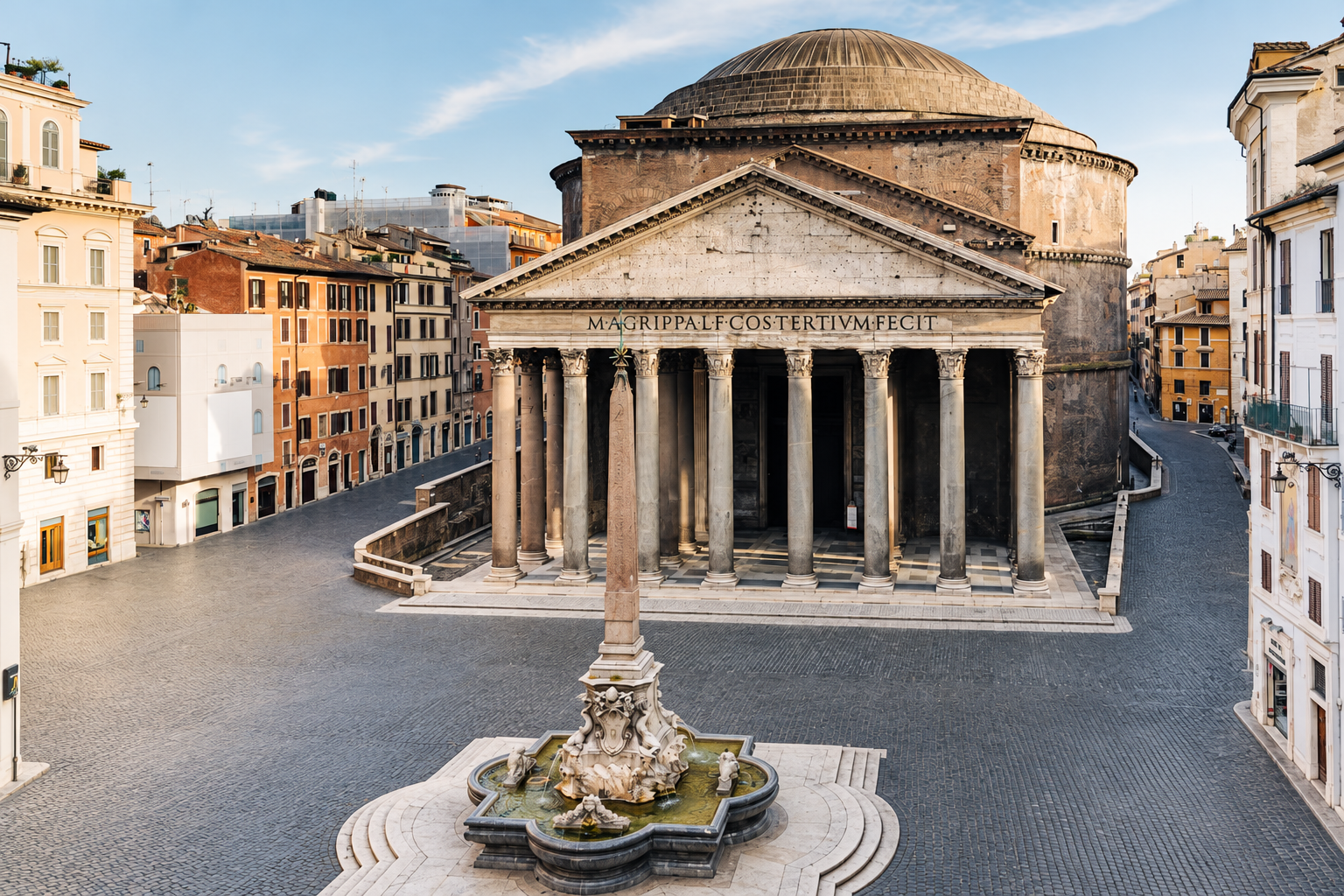
Photo: Pantheon - Gabriella Clare Marion - Unsplash - edited
ANCIENT ROME & ARCHAEOLOGY
Colosseum
Roman Forum
Palatine Hill
Pantheon
Baths of Caracalla
Appian Way and catacombs
The Colosseum Archaeological Park alone contains some of Rome’s most important surviving structures from the ancient city, with the Forum serving as the center of Roman public life for centuries.
ART, CHURCHES, & THE VATICAN
Vatican Museums and Sistine Chapel
St. Peter’s Basilica
Galleria Borghese
Basilica of San Clemente
Santa Maria Maggiore and other major churches
Baroque masterpieces by Bernini, Borromini, and Caravaggio throughout the city
The Vatican Museums are substantial enough to deserve a dedicated half-day for many travelers. Their official site currently operates timed ticketing and specifically warns visitors to use the official Vatican ticket portal rather than look-alike reseller sites.
NEIGHBORHOODS & SLOWER EXPERIENCES
Wander Trastevere in the late afternoon or evening
Explore Monti between major ancient sites
Walk from Piazza Navona to the Pantheon and Trevi Fountain
Spend time in Testaccio for food and local life
Sit in a piazza with coffee, aperitivo, or gelato
Take an evening walk after the day-trip crowds thin out
Roametry Tip:
Roametry recommends pairing one major reserved attraction with one unstructured neighborhood block each day. Rome is easy to overschedule, and the city usually feels better when there’s room between monuments for meals, piazzas, churches, and unexpected stops.
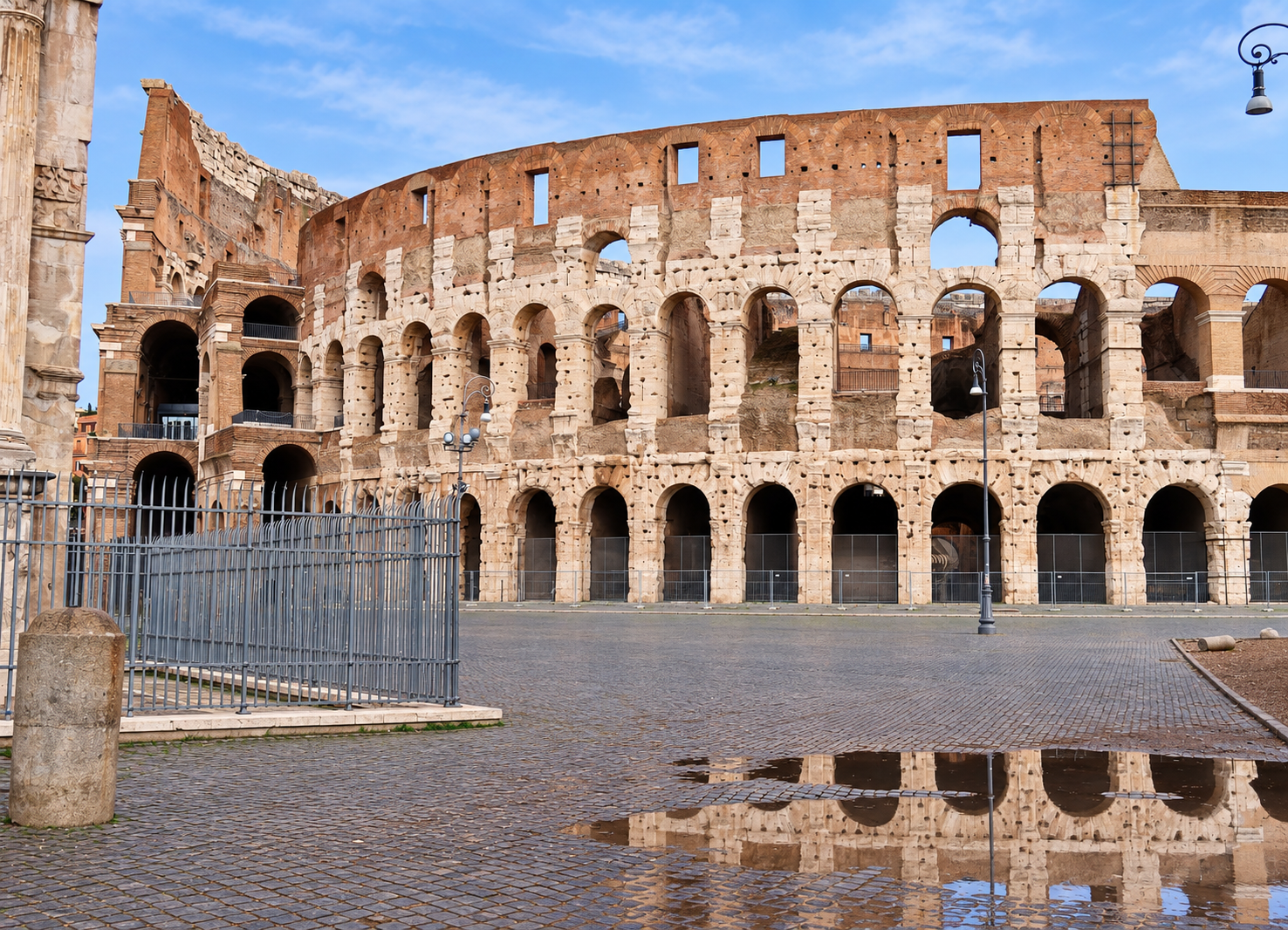
Photo: Colosseum - Cheyenne Edwards
Explore Rome Experiences
From guided explorations of the Colosseum and Roman Forum to Vatican treasures, neighborhood walking tours, and authentic Italian food experiences, Rome offers countless ways to connect with its extraordinary history and culture.
Explore available tours and activities to find experiences that complement your interests and travel style.
Affiliate disclosure: Roametry may earn a commission from qualifying bookings made through the link below, at no additional cost to you.
FOOD & DRINK
Rome’s food scene is one of the clearest expressions of the city’s identity: simple ingredients, strong flavors, deeply rooted recipes, and neighborhood dining traditions. Roman cuisine is built around ingredients such as guanciale, pecorino, artichokes, chicory, legumes, and seasonal vegetables, with trattorias and markets remaining an important part of everyday food culture. Rome’s official tourism site specifically highlights neighborhoods such as Trastevere, Testaccio, Garbatella, San Lorenzo, and Ostiense for traditional cooking.
ROAMETY FAMILY FAVORITES
When our family has personally visited a destination, this is where we share the places and experiences we genuinely loved.
Don’t Miss
Carbonara
Cacio e pepe
Amatriciana
Gricia
Supplì
Carciofi alla romana
Carciofi alla giudia
Pizza al taglio
Pecorino Romano
Gelato and espresso
The four classic Roman pastas are especially central to the city’s food identity, while artichokes are a major seasonal specialty. Roman-style artichokes and Jewish-style fried artichokes reflect two different culinary traditions within the city.
Where to Focus
Testaccio is one of the strongest neighborhoods for travelers who want traditional Roman food and a more local atmosphere. The Testaccio Market is particularly useful for sampling both classic ingredients and prepared foods in one place.
Trastevere combines historic streets, trattorias, cafés, and lively evenings, while Monti works well for travelers who want food stops woven naturally into sightseeing around ancient Rome. Rome’s official tourism guidance specifically identifies both neighborhoods as places where traditional Roman cooking remains prominent.
Neighborhood markets are also worth building into the itinerary. Markets such as Testaccio and Campo de’ Fiori connect travelers with produce, cheeses, meats, fish, and other ingredients that reflect everyday Roman food culture.
Good to Know
Roman meals often reward simplicity more than novelty. Roametry recommends trying the classics in places that specialize in traditional cooking rather than feeling obligated to chase whichever restaurant happens to be most famous online.
Popular restaurants can still require reservations, especially for dinner and during busy travel periods, but leave room for spontaneous stops as well—espresso at the bar, pizza by the slice, gelato, a market lunch, or an unplanned trattoria can be just as memorable as a reserved meal.
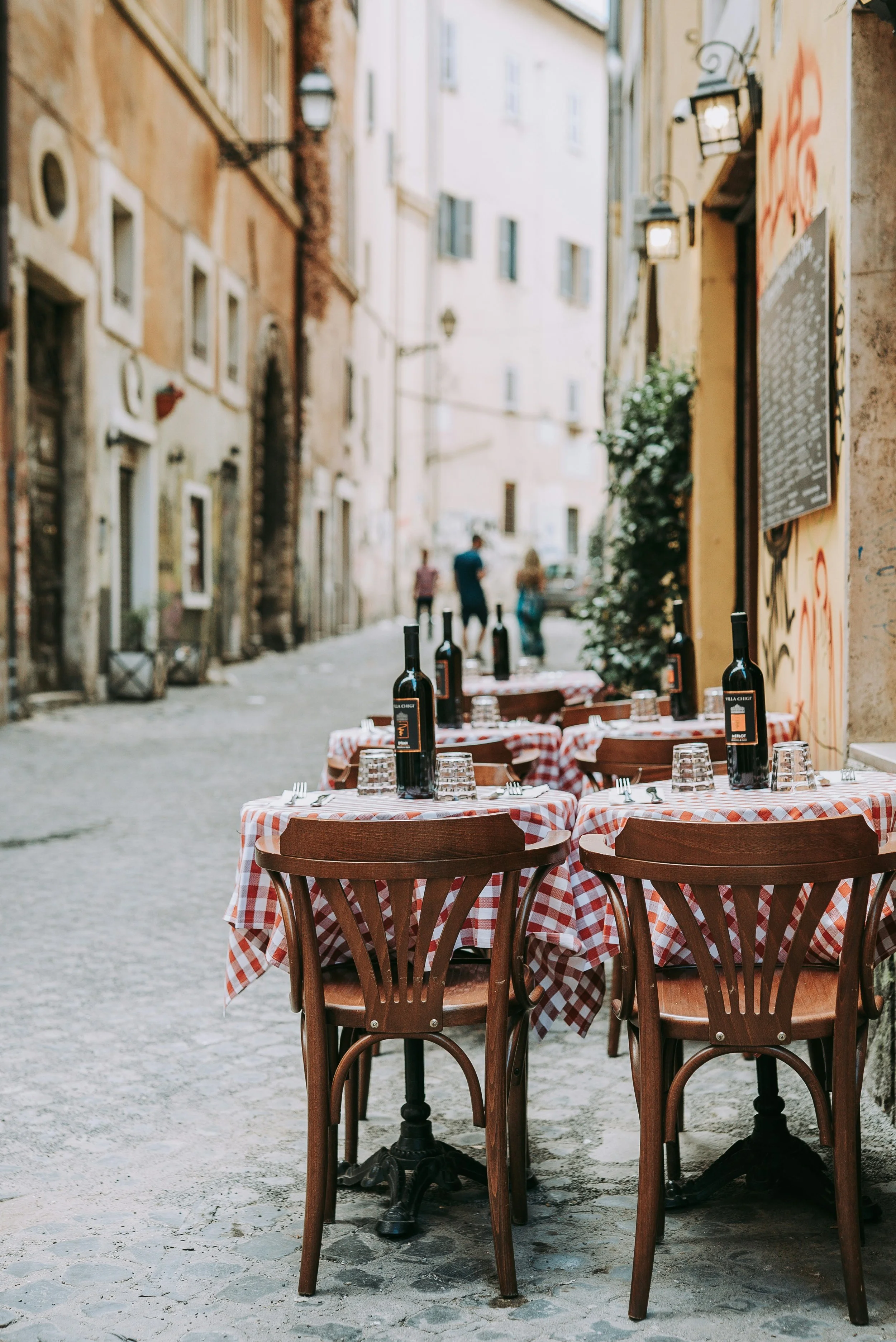
Photo: Marialaura Gionfriddo / Unsplash
Planning Notes
Best Time To Go
For most travelers, April–May and September–October offer the best balance of mild weather and comfortable sightseeing conditions. Rome’s official tourism site specifically recommends spring and autumn, while July and August are typically the hottest months.
How Long To Stay
Roametry recommends 4–6 days for a first visit. That gives enough time for Ancient Rome, Vatican City, major museums or churches, and several neighborhoods without turning the trip into a constant rush from one reservation to the next.
Getting There
Most international travelers arrive through Rome Fiumicino Airport (FCO). The Leonardo Express runs nonstop between Fiumicino and Roma Termini in about 32 minutes, with frequent departures throughout the day.
Getting Around
Rome is best explored with a combination of walking and public transit. ATAC operates the city’s buses, trams, and Metro, and contactless Tap & Go payment is available across the main network. Roametry recommends walking whenever the route is reasonable—the streets between major sights are often part of the experience.
Book Ahead
Roametry recommends reserving the Colosseum, Vatican Museums, Galleria Borghese, priority restaurants, and any guided experiences you care strongly about before arrival. Colosseum timed-entry tickets currently open 30 days before the visit date, while the Vatican Museums advises travelers to use only its official ticket portal.
Know Before You Go
Rome can be physically demanding. Cobblestones, uneven pavement, stairs, heat, crowds, and long museum days add up quickly. Build realistic breaks into the itinerary, carry water, and avoid stacking several major timed attractions into the same day.
Also remember that Vatican City is a separate sovereign state, even though it sits within Rome. Security procedures, dress expectations, and visitor rules may differ from ordinary sightseeing elsewhere in the city.
ROAMETRY PLANNING TIP
Plan Rome by neighborhood rather than by attraction alone. Group nearby sights together—for example, the Colosseum with Monti, or the Pantheon and Piazza Navona with the historic center—then leave room for lunch, coffee, churches, piazzas, and wandering in between.
Roametry recommends treating one major reserved attraction per half-day as a useful ceiling. Rome is much more enjoyable when the itinerary leaves enough room for the city itself.
Find Your Stay
Where you stay can shape your travel experience. Whether you prefer the convenience of a hotel or resort or the flexibility of a private vacation rental, explore accommodations that suit your travel style, priorities, and budget.
Affiliate disclosure: Roametry may earn a commission from qualifying bookings made through these links, at no additional cost to you.THE ROAMETRY TAKEAWAY
Rome is a strong fit for travelers who want history, food, and city life woven together rather than experienced as separate attractions. Ancient ruins, churches, piazzas, museums, restaurants, and residential neighborhoods all overlap within the same urban fabric, which is a major part of what makes the city feel so immersive. UNESCO describes Rome’s historic center as a layered urban environment shaped across nearly three millennia.
Travelers who enjoy active sightseeing, long walks, architecture, museums, traditional food, and unstructured neighborhood time are likely to get the most from Rome. Those prioritizing quiet, nature, resort-style relaxation, or a low-crowd experience may find another destination a more natural match.
BEST MATCH FOR
History • Architecture • Food • Museums • Walkability • Neighborhood life • Active city travel
SOURCES & FURTHER READING
Roametry destination guides are independently written using research from official tourism, government, park, cultural, transportation, and destination resources. Conditions, schedules, access, and regulations can change; travelers should verify current information directly with the appropriate source before departure.
Turismo Roma — Official Rome Tourism
Official city information covering neighborhoods, attractions, climate, food, markets, and visitor planning.
Visit Turismo Roma
UNESCO — Historic Centre of Rome
Background on Rome’s archaeological, architectural, religious, Renaissance, and Baroque heritage and the historic center’s World Heritage status.
View UNESCO’s Historic Centre of Rome page
Parco Archeologico del Colosseo — Opening Times & Tickets
Official visitor and reservation information for the Colosseum, Roman Forum, and Palatine Hill.
Visit the Colosseum Archaeological Park
Vatican Museums — Official Visitor Information
Official opening hours, ticketing, visitor guidance, and museum information.
Visit the Vatican Museums
ATAC Roma — Public Transportation & Tap & Go
Official information on Rome’s buses, trams, Metro, urban rail, ticketing, and contactless payment.
Visit ATAC Roma
Trenitalia — Leonardo Express
Official information for nonstop rail service between Rome Fiumicino Airport and Roma Termini.
View Leonardo Express information
Turismo Roma — Traditional Cuisine
Official background on Roman culinary traditions and food-focused neighborhoods such as Trastevere and Testaccio.
Explore traditional Roman cuisine
Turismo Roma — Rome Neighborhoods
Official guides to areas including Monti, Trastevere, Testaccio, Prati, and Rome’s historic rioni.
Explore Rome neighborhoods
Last researched and reviewed: October 2026
Our Research Approach
At Roametry, we believe the best destinations aren't necessarily the most popular—they're the ones that fit the traveler.
Our destination guides are informed by a growing research catalog that examines travel experiences, cultural characteristics, seasonal considerations, accessibility, and practical travel factors. We draw on reputable published sources and destination-specific research to create thoughtful, informative guides that help travelers explore places with greater confidence.
Each guide is reviewed for accuracy and relevance before publication. Because travel conditions, availability, and local information can change, we encourage travelers to verify important details before making arrangements.