
ROAMETRY DESTINATION GUIDE
Southern Utah
Red-rock landscapes, iconic national parks, and road-trip days built around hiking, viewpoints, and wide-open desert.
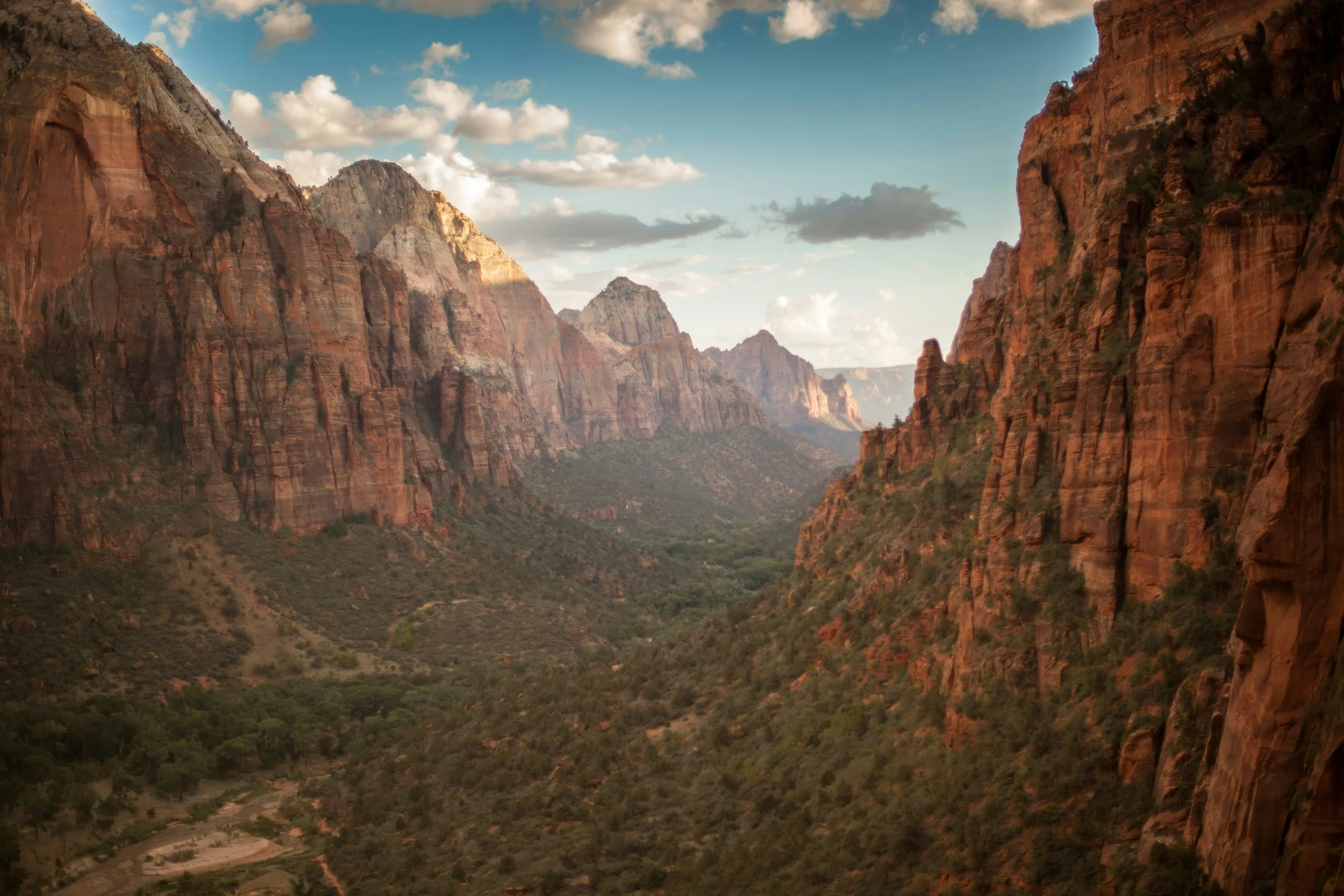
Zion National Park / Jamie Hagan / Unsplash
Affiliate DisclosureSome links in this guide are affiliate links. If you book or make a purchase through these links, Roametry may earn a commission at no additional cost to you. Our destination research and recommendations are developed independently, with traveler fit guiding our recommendations rather than affiliate partnerships.WHY THIS DESTINATION FITS
Southern Utah is especially well suited to travelers who value dramatic landscapes, scenic road trips, hiking, photography, and active days outdoors. Its strongest appeal comes from the sheer variety of desert terrain packed into one region: Zion’s towering canyon walls, Bryce Canyon’s hoodoos, Capitol Reef’s cliffs and domes, and the open sandstone country around Grand Staircase–Escalante all feel distinct while still fitting naturally into the same trip. Visit Utah recommends about six days just for Zion, Bryce Canyon, and Capitol Reef, with additional time for places like Grand Staircase–Escalante and nearby state parks.
The region works particularly well for travelers who enjoy moving between parks and gateway towns rather than staying in one place, with the drives themselves becoming part of the experience. Scenic Byway 12 is a good example: it links Bryce Canyon and Capitol Reef while passing through red-rock formations, forested high country, small towns, and Grand Staircase–Escalante.
Travelers looking primarily for nightlife, dense urban culture, resort-style relaxation, or minimal driving may find Southern Utah a less natural fit. The destination rewards travelers who are comfortable with early starts, changing weather, desert heat, trail conditions, and spending meaningful time behind the wheel.
Roametry fit: Red-rock scenery • Hiking • National parks • Road trips • Photography • Stargazing • Active travel
AT A GLANCE
Best for — National parks • Hiking • Scenic drives • Photography • Stargazing • Red-rock landscapes
Ideal trip length — 6-9 days
That gives enough time to connect Zion, Bryce Canyon, Capitol Reef, and Grand Staircase–Escalante without turning the trip into a race from one park to the next.
Best seasons — April–May and September–October
Spring and fall are especially strong for hiking, with more comfortable temperatures than midsummer. Capitol Reef identifies March–June and September–October as especially popular because hiking conditions are often favorable, while Bryce’s high elevation means freezing nights and even snow can still occur well into spring and again in autumn.
Expect major temperature differences between parks: Bryce Canyon sits at much higher elevation than Zion and can be dramatically colder.
Travel pace — Balanced to Active
Southern Utah works best for travelers who enjoy early starts, hiking days, scenic drives, and moving between several bases.
Budget feel — $$ / $$$$ — Moderate to Premium
A self-drive trip can stay fairly moderate, but gateway-town lodging, guided canyoneering, rental cars, park-area dining, and peak-season stays can raise costs quickly.
Getting around — Rental car strongly recommended
The parks and gateway towns are spread out, so a car gives the flexibility this region really needs. Zion is the exception inside the main canyon during much of the visitor season: in 2026, Zion Canyon shuttle service runs for most of the year from March into late November, with an additional holiday period in late December.
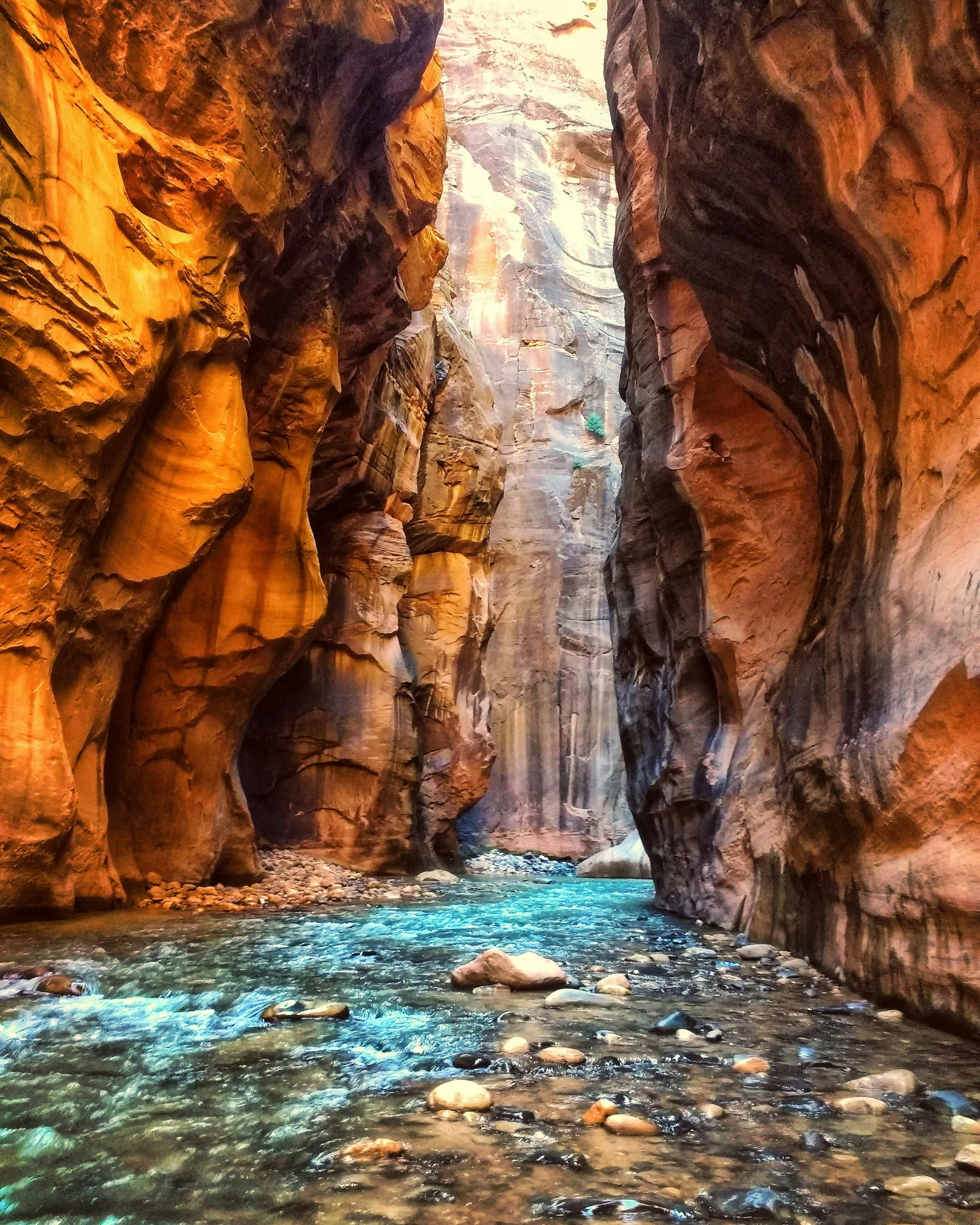
Narrows / Zion National Park / Karan Chawla / Unsplash
WHAT DEFINES THIS DESTINATION
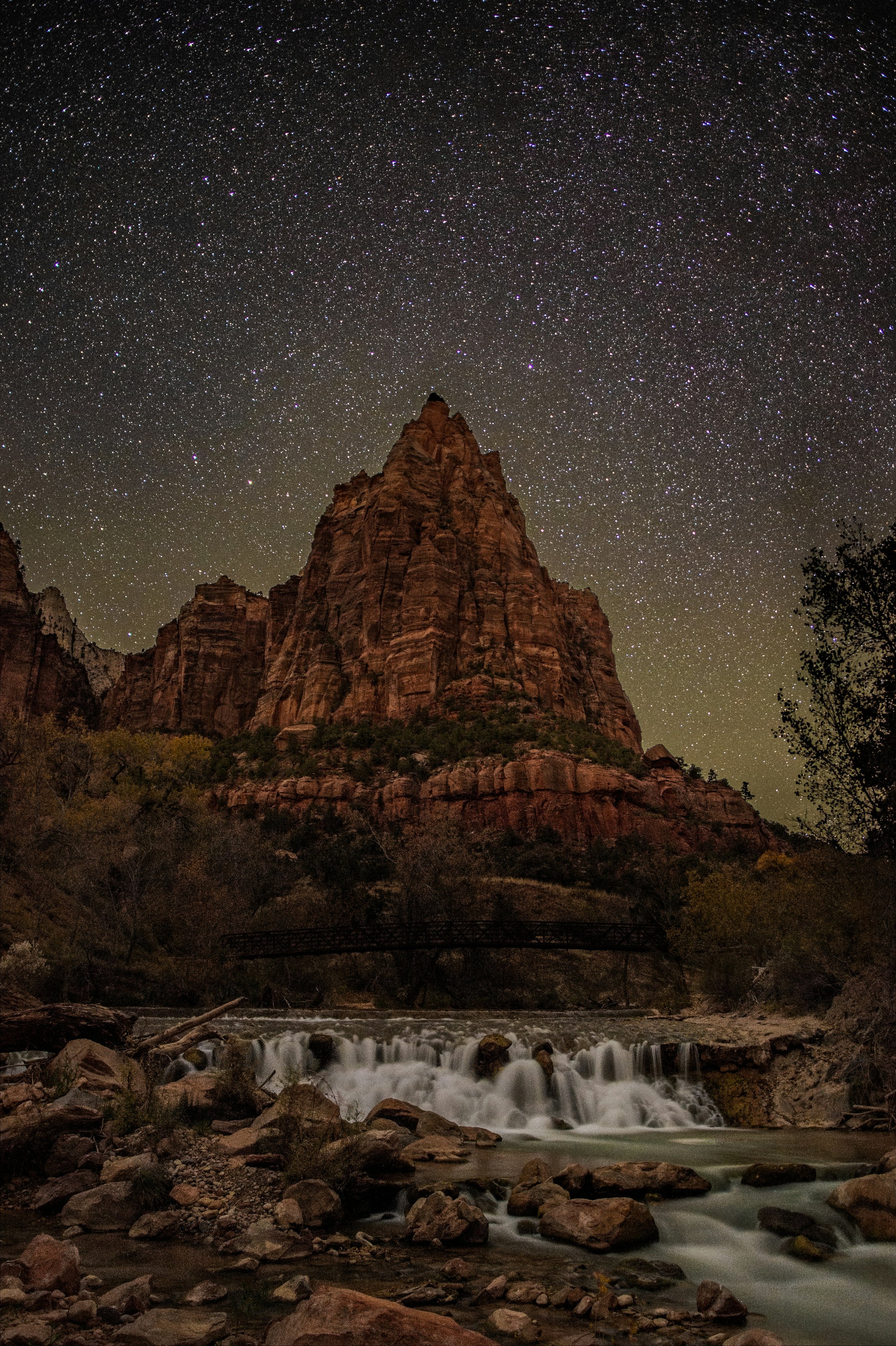
Zion National Park / Aaron Roth / Unsplash
Landscape & Setting
Southern Utah is defined by red-rock geology on a huge scale—towering sandstone cliffs, narrow slot canyons, hoodoos, slickrock, high plateaus, desert washes, and broad open vistas. Zion, Bryce Canyon, Capitol Reef, and Grand Staircase–Escalante each have a distinct visual identity, but together they create one of the most varied desert-road-trip regions in the country.
Culture & Atmosphere
The region feels strongly tied to the American West: small gateway towns, historic settlements, Indigenous history, ranching traditions, and landscapes that have shaped both local culture and film imagery. Places like Kanab, Escalante, Boulder, Torrey, and Springdale each bring a different pace and personality to the trip.
Food & Local Life
Southern Utah’s food scene is more limited than a major city’s, but that can be part of the appeal. Gateway towns provide local cafés, diners, bakeries, farm-driven restaurants, and a handful of destination-worthy meals, while Capitol Reef adds its own distinctive tradition through the orchards and Gifford Homestead.
Adventure & Activities
This is an active destination built around hiking, scenic driving, canyoneering, photography, camping, and stargazing. Some experiences are highly accessible from paved park roads, while others—especially in Grand Staircase–Escalante—require more planning, rough-road travel, and comfort with remote terrain.
WHERE TO STAY
Springdale
Best for: Zion National Park, easy shuttle access, dining, and first-time visitors.
Springdale is the most convenient base for Zion, sitting directly outside the park’s South Entrance. Most hotels are close to the free Springdale shuttle, making it easy to leave the car behind on Zion days.
Bryce Canyon City & Tropic
Best for: sunrise and sunset at Bryce, short drives to trailheads, and cooler high-elevation stays.
Bryce Canyon City is the closest practical base to the park, while Tropic offers a quieter small-town feel just outside it. Visit Utah also points travelers toward Panguitch and Escalante as nearby alternatives.
Escalante & Boulder
Best for: Grand Staircase–Escalante, Scenic Byway 12, slot canyons, and remote desert exploration.
Escalante sits between Bryce Canyon and Capitol Reef and works especially well for travelers who want to explore Grand Staircase–Escalante. Boulder is even smaller and more remote, with strong access to both the monument and the eastern stretch of Scenic Byway 12.
Torrey
Best for: Capitol Reef, dark skies, scenic drives, and a quieter park-town atmosphere.
Torrey is the natural base for Capitol Reef and also connects easily with Scenic Byway 12, Fishlake National Forest, and surrounding desert landscapes. It has enough lodging and dining to be comfortable without feeling overly developed.
Kanab
Best for: longer regional trips, East Zion, Grand Staircase–Escalante, and travelers who want one flexible hub.
Kanab is useful for travelers combining several Southern Utah areas because it sits within reach of Zion, Bryce Canyon, and Grand Staircase–Escalante. It also has a stronger range of lodging and services than many of the smaller gateway towns.
Recommended Stays
Curated Southern Utah hotels, lodges, cabins, glamping stays, and distinctive accommodations coming soon.
WHAT TO DO
Signature Experience - ROAD-TRIP THE RED-ROCK PARKS
A Southern Utah trip is built around contrast: Zion’s canyon walls, Bryce Canyon’s hoodoos, Capitol Reef’s cliffs and historic Fruita district, and the open country around Grand Staircase–Escalante. Scenic drives are not just transportation here; they are part of the experience, especially along routes like Scenic Byway 12 and Capitol Reef’s Scenic Drive. Capitol Reef’s paved Scenic Drive alone runs through colorful cliffs and gives access to side roads and trailheads deeper into the park.
HIKING & ADVENTURE
Hike Zion’s canyon and mesa trails
Enter the Bryce Amphitheater among the hoodoos
Explore Capitol Reef trails such as Hickman Bridge, Cohab Canyon, or Grand Wash
Try guided canyoneering or slot-canyon exploration
Hike lesser-known trails in Grand Staircase–Escalante
Bryce Canyon’s main amphitheater contains most of its signature hoodoo hikes, while Capitol Reef offers everything from short front-country trails to more remote backcountry routes.
SCENIC DRIVES & VIEWPOINTS
Drive Scenic Byway 12
Explore Capitol Reef’s Scenic Drive
Stop at Bryce’s overlooks and southern viewpoints
Drive through Zion’s east side and Mount Carmel corridor
Seek out quieter viewpoints between the major parks
Bryce’s main road continues beyond the amphitheater to high-elevation viewpoints such as Rainbow and Yovimpa Points, while Capitol Reef’s Scenic Drive gives easy access to some of the park’s best-known geology.
DARK SKIES & SLOWER EXPERIENCES
Stargaze after dark
Visit Capitol Reef’s historic Fruita district
Stop at small towns along Scenic Byway 12
Spend time photographing sunrise or sunset
Build in a lighter day between major hikes
Capitol Reef’s Fruita district adds a very different layer to the trip, with historic orchards, the Gifford House, and cultural sites alongside the park’s red-rock landscape.
Explore Southern Utah Experiences
From towering sandstone cliffs and winding slot canyons to scenic desert landscapes and unforgettable outdoor adventures, Southern Utah offers countless opportunities to experience the natural beauty of the American Southwest.
Zion National Park is an excellent starting point for exploring the region. Browse available guided tours, scenic excursions, and outdoor experiences to find activities that complement your interests and travel style.
Explore available tours and activities to find experiences that complement your interests and travel style.
Affiliate disclosure: Roametry may earn a commission from qualifying bookings made through the link below, at no additional cost to you.
FOOD & DRINK
Southern Utah is not primarily a food destination, but that doesn’t mean meals have to feel like an afterthought. The strongest food experiences tend to come from small gateway towns, locally owned cafés and restaurants, bakeries, and a few memorable stops tied directly to the landscape and history of the region.
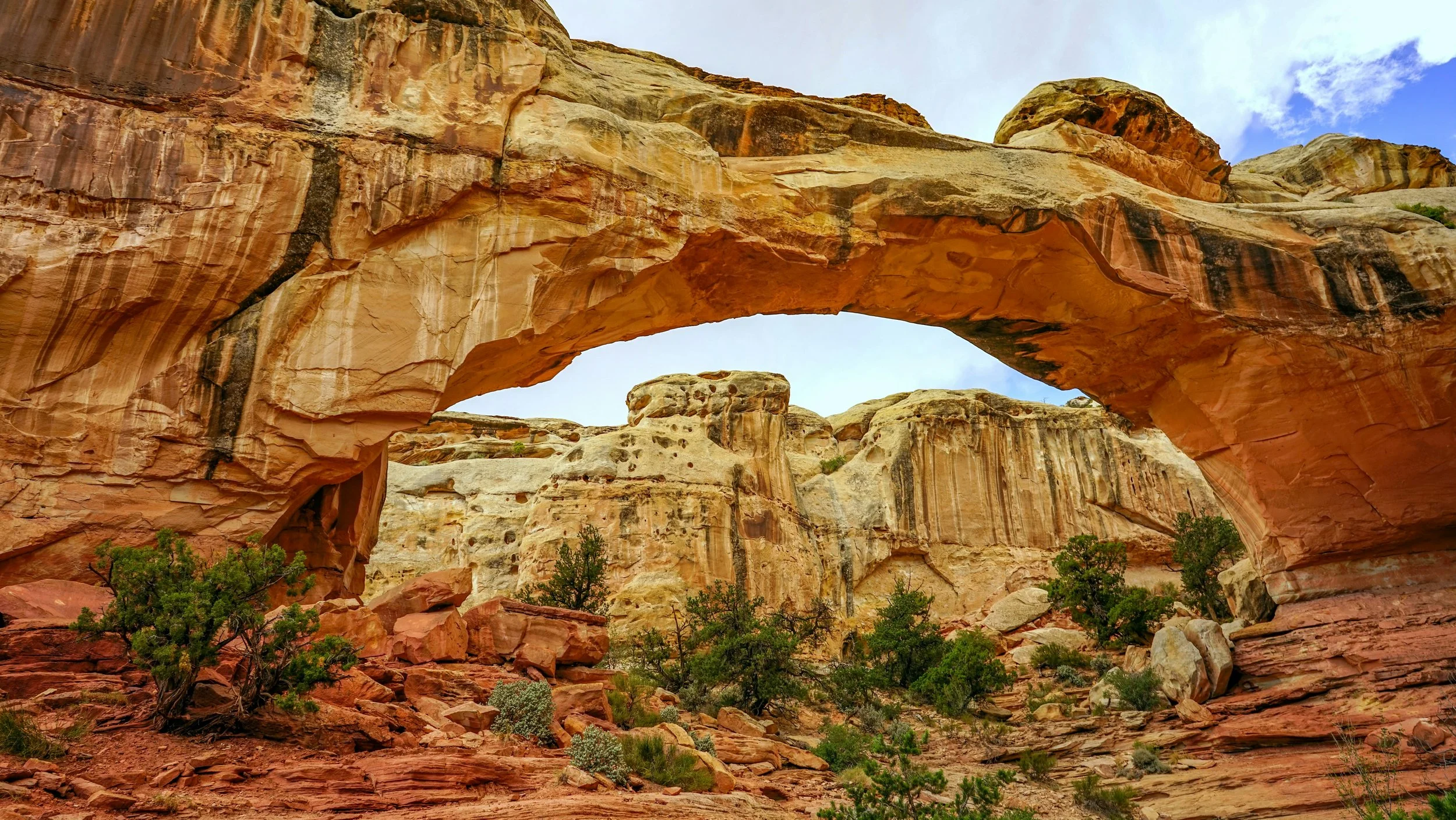
Capitol Reef National Park / Rich Martello / Unsplash
ROAMETY FAMILY FAVORITES
When our family has personally visited a destination, this is where we share the places and experiences we genuinely loved.
Don’t Miss
Fresh pies and baked goods in the Capitol Reef area
Seasonal fruit from the historic Fruita orchards when harvest is open
Southwestern-inspired dishes and casual regional comfort food
Locally roasted coffee, bakery stops, and café breakfasts before park days
Picnic-friendly meals for long hiking or driving days
Capitol Reef is especially distinctive because the historic Fruita orchards are still actively maintained. Depending on the season, visitors may encounter cherries, apricots, peaches, pears, apples, and plums, with harvest generally running from early summer into fall.
Where to Focus
Springdale has the broadest dining range near Zion and works well for travelers who want more restaurant choice after active park days.
Escalante, Boulder, and Torrey offer a more intimate small-town experience, where cafés, bakeries, and locally focused restaurants fit naturally into Scenic Byway 12 road-trip days.
Capitol Reef’s Fruita Historic District is worth treating as its own food-related stop. The historic orchards connect directly to the area’s pioneer agricultural history, and the Gifford Homestead is known for fresh-baked pies during its operating season.
Good to Know
Dining choices thin out quickly outside the major gateway towns, and restaurant hours can be seasonal or limited. Roametry recommends checking hours ahead, carrying snacks and water, and not assuming you’ll find a full meal exactly when you want one on longer park or Scenic Byway 12 days.
This is also a destination where a simple picnic can be part of the experience. A scenic pullout, orchard area, or quiet park stop can be more memorable than forcing every meal into a restaurant reservation.
Planning Notes
Best Time To Go
For most travelers, April–May and September–October offer the best balance of hiking weather, daylight, and manageable temperatures. Summer brings the broadest access but also the largest crowds and hottest conditions, while Bryce Canyon’s much higher elevation means freezing nights and even snow are possible well outside winter. Visit Utah notes that May through September is the busiest period across Southern Utah’s major parks.
How Long To Stay
Roametry recommends 6–9 days for Zion, Bryce Canyon, Capitol Reef, Scenic Byway 12, and Grand Staircase–Escalante. A week allows enough time to move between several bases without turning every day into a long drive; adding more remote hikes or slot-canyon days can easily justify a longer trip.
Getting There
Most travelers will fly into Las Vegas (LAS) or Salt Lake City (SLC) and rent a car. Las Vegas is generally the more convenient gateway for Zion and the southwestern end of the route, while Salt Lake City can work well for travelers continuing farther north or east.
Getting Around
A rental car is essential for most of this itinerary. Zion is the major exception: during shuttle season, private vehicles are not permitted on Zion Canyon Scenic Drive, and visitors use the park shuttle instead. In 2026, Zion shuttle service runs from March 7 through November 28, with an additional late-December period.
Book Ahead
Roametry recommends reserving Springdale lodging, popular park-area hotels, guided canyoneering, campgrounds, and priority tours well ahead during spring and fall. If Angels Landing is on your list, a permit is required through Zion’s lottery system; both seasonal and day-before lotteries are available. Bryce Canyon itself does not currently require an advance entry reservation.
Know Before You Go
Desert conditions can change quickly. Heat, thunderstorms, flash floods, snow at higher elevations, and rough backcountry roads can all affect plans. Capitol Reef specifically warns that dirt roads can become impassable after even small amounts of precipitation, while Bryce can receive snow into spring and again in autumn. Check official park alerts and road conditions before heading into remote areas.
ROAMETRY PLANNING TIP
Don’t treat every park day like a race to the biggest-name trail. Southern Utah works best when major hikes are balanced with scenic drives, viewpoints, quieter trails, and slower stops between parks. Roametry recommends leaving enough flexibility to change plans when weather, crowds, or road conditions make another option more appealing.
Find Your Stay
Where you stay can shape your travel experience. Whether you prefer the convenience of a hotel or resort or the flexibility of a private vacation rental, explore accommodations that suit your travel style, priorities, and budget.
Affiliate disclosure: Roametry may earn a commission from qualifying bookings made through these links, at no additional cost to you.THE ROAMETRY TAKEAWAY
Southern Utah is a strong fit for travelers who want active days, dramatic scenery, and a road trip where the landscape is the main event. The region stands out for the contrast between Zion, Bryce Canyon, Capitol Reef, and Grand Staircase–Escalante, with each area offering a different version of the red-rock Southwest.
Travelers who enjoy hiking, scenic driving, photography, national parks, stargazing, and flexible outdoor itineraries are likely to get the most from Southern Utah.
Those prioritizing nightlife, dense urban culture, resort-style relaxation, or minimal driving may find another destination a more natural match.
BEST MATCH FOR
Red-rock scenery • Hiking • National parks • Scenic road trips • Photography • Stargazing • Active travel
SOURCES & FURTHER READING
Roametry destination guides are independently written using research from official tourism, government, park, cultural, transportation, and destination resources. Conditions, schedules, access, and regulations can change; travelers should verify current information directly with the appropriate source before departure.
Visit Utah — Southern Utah
Official regional information covering Zion, Bryce Canyon, Capitol Reef, Grand Staircase–Escalante, gateway communities, scenic routes, and Southern Utah trip planning. Visit Utah
Explore Southern Utah
National Park Service — Zion National Park
Official information covering park access, trails, current conditions, safety, transportation, and visitor planning.
Visit Zion National Park
National Park Service — Zion Canyon Shuttle System
Current information on Zion’s seasonal shuttle service, access to Zion Canyon Scenic Drive, and transportation within the park.
View Zion shuttle information
National Park Service — Angels Landing Permits
Official requirements, lottery information, preparation guidance, and current rules for hiking beyond Scout Lookout to Angels Landing. National Park Service
View Angels Landing permit information
National Park Service — Bryce Canyon National Park
Official visitor information covering hiking, scenic drives, weather, current conditions, safety, and trip planning.
Visit Bryce Canyon National Park
National Park Service — Capitol Reef National Park
Official visitor information covering hiking, scenic drives, road conditions, weather, historic Fruita, and park safety.
Visit Capitol Reef National Park
National Park Service — Capitol Reef Historic Orchards
Information on Fruita’s historic orchards, seasonal fruit harvests, and the agricultural history preserved within the park.
Explore the Fruita orchards
National Park Service — Gifford Homestead
Official information about the historic Gifford farmhouse and seasonal visitor offerings in Capitol Reef’s Fruita district.
Visit the Gifford Homestead page
Bureau of Land Management — Grand Staircase–Escalante National Monument
Official information on monument access, remote-road travel, safety, visitor centers, recreation, and current conditions. BLM emphasizes that much of the monument is remote and many interior roads are primitive. Bureau of Land Management
Visit Grand Staircase–Escalante National Monument
BLM — Grand Staircase–Escalante Current Travel Information
Current road, weather, closure, and other travel-condition information for the monument. Bureau of Land Management
Check current Grand Staircase–Escalante conditions
Visit Utah — Scenic Byway 12
Trip-planning information for the scenic route connecting the Bryce Canyon region, Grand Staircase–Escalante, Boulder, and Capitol Reef.
Explore Scenic Byway 12
Last researched and reviewed: October 2026
Our Research Approach
At Roametry, we believe the best destinations aren't necessarily the most popular—they're the ones that fit the traveler.
Our destination guides are informed by a growing research catalog that examines travel experiences, cultural characteristics, seasonal considerations, accessibility, and practical travel factors. We draw on reputable published sources and destination-specific research to create thoughtful, informative guides that help travelers explore places with greater confidence.
Each guide is reviewed for accuracy and relevance before publication. Because travel conditions, availability, and local information can change, we encourage travelers to verify important details before making arrangements.